Fall Colors: A Five-Day Loop Through New England
Covered bridges, cider donuts and red maples everywhere.
 Sam Ortiz6 min read

Sam Ortiz
Sam writes the itineraries, fixes the van and is in charge of snacks.
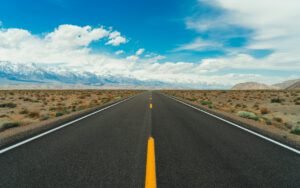


We flew to Boston, rented a car and spent five days chasing the leaves. We had both dreamed about a New England fall for years: the red maples, the white church steeples, the covered bridges and the roadside stands selling warm cider donuts in paper bags. The reality turned out to be even better than the postcards, mostly because we were willing to change our plans every single morning.
Peak color moves fast, so we built the loop around the forecast. Here is exactly how we did it, where we stayed, what we would change and why the two-lane roads made all the difference.
 Sponsored · Cooler Co.Ice for five daysRotomolded coolers with a lifetime warranty.Shop coolers
Timing the trip
Fall color in New England usually starts in the far north and at higher elevations in mid to late September, then slowly spreads south and toward the coast through October. The exact timing changes every year depending on rain, temperatures and early frosts. We booked our flights for the first week of October, a common sweet spot for northern Vermont and New Hampshire, and kept the rest of the trip flexible.
Each state publishes fall foliage reports during the season, and we checked them every night. We booked only our first and last nights in advance. Everything in between, we reserved a day or two ahead once we knew where the best color was. That flexibility cost us a little more in places, but it was worth it.
Go north first
Leaves turn in the mountains before the coast. Start high and work your way down. This was the most useful advice we got before the trip, and it shaped the whole loop. Rather than starting near Boston and slowly heading north into fading color, we drove straight to the mountains on day one and let the color follow us back down.
Here is the loop we ended up driving:
- Day 1: Boston to the White Mountains of New Hampshire, about three hours north. We arrived in time for an evening walk by a river under bright yellow birches.
- Day 2: The Kancamagus Highway, a winding mountain road with overlooks, waterfalls and very few towns. We stopped at nearly every pullout.
- Day 3: West across the Connecticut River into Vermont, through rolling farmland and small villages with white churches and general stores.
- Day 4: South through central Vermont, with covered bridges, a cider mill and a long, slow afternoon in a village with a classic town green.
- Day 5: Back to Massachusetts through the Berkshires, a final lunch in a small college town and the drive to Boston for our evening flight.

Every turn was another postcard.
Maya, co-author of Two Lanes
Back roads only
The highways are fine. The two-lane roads are unforgettable. Interstates are fast, and sometimes you need them, but they tend to cut through valleys and past strip malls. The best color, and the best moments, were always a few miles off the main road.
We made a simple rule: if a back road went roughly the right direction, we took it. Sometimes that added an hour. It also led us to a hilltop farm with a view across three ridges of red and gold, a tiny bakery where the owner handed us a free maple cookie, and a covered bridge over a rocky stream where we were the only people for twenty minutes.
A few back-road tips
- Download offline maps before you go. Cell signal disappears in the mountains.
- Keep the tank above half. Gas stations can be far apart on rural routes.
- Pull over only where it is safe and legal. Many narrow roads have no shoulder at all.
- Watch for slow farm equipment, cyclists and other leaf watchers stopping suddenly.
- Bring cash. Farm stands and small shops do not always take cards.
Where we stayed
Lodging in New England during peak foliage is part of the experience, and we tried a little of everything. Our first night was a simple roadside motel at the edge of the White Mountains, clean and quiet, with a little porch where we drank coffee and watched mist lift off the hills. The second night was a family-run lodge with a stone fireplace in the common room and a shelf full of old hiking guides. We stayed up late playing cards there with another couple from Ohio who were doing the same loop in reverse.
In Vermont, we splurged on a small inn in a village with a classic town green, a white church and a general store selling everything from fishing line to maple fudge. Breakfast was blueberry pancakes, local bacon and strong coffee served in mismatched mugs. The innkeeper gave us a hand-drawn map of her favorite back roads, which ended up guiding most of day four. Our last night, in the Berkshires, was at a modest motel near a college town, close enough to walk to dinner.
If you can, mix it up. The chain hotels near the highways are fine, but the small inns and family motels are where you meet people and hear about the roads that never make it into guidebooks.
Covered bridges and cider donuts
We lost count of the covered bridges. Some are tucked down quiet dirt roads, while others sit right in the middle of town. Many are still open to cars. Driving slowly through one, with the sound of the tires on the old wooden planks and the bright leaves framed by the opening at the far end, was one of our favorite small moments of the trip.
And then there were the cider donuts. Nearly every orchard and farm stand we passed sold them, usually still warm, rolled in cinnamon sugar and served in a paper bag that turned translucent in about ninety seconds. We made it a goal to try one at every stop and rank them. Our winner came from a small family orchard in central Vermont, eaten at a picnic table overlooking rows of apple trees while a dog slept at our feet.
Other food highlights included a bowl of creamy chowder at a roadside shack, sharp local cheddar from a village general store and real maple syrup on pancakes at a diner where the waitress called everyone “hon.”
What it cost and what we’d change
For two people over five days, we spent about $1,650, not counting flights. Our rental car was around $320 for the week. Lodging was the biggest cost, ranging from about $140 for a simple motel to $230 for a cozy inn with a big breakfast. Fall is peak season, so prices are higher than in summer and rooms fill fast, especially on weekends.
Key takeaway: Follow the foliage reports, start in the mountains, stay flexible and take every two-lane road you can.
Next time, we would add two more days. Five days felt rushed, especially with so many tempting detours. We would also visit midweek if possible, since weekends brought heavy traffic on the most famous scenic drives. And we would pack warmer layers. Early October mornings in the mountains were close to freezing, and our light jackets were not quite enough.
Why fall in New England is worth it
We have seen a lot of beautiful places on our road trips, but there is something special about New England in the fall. It is not just the color. It is the whole feeling of the season: crisp mornings, woodsmoke drifting from chimneys, pumpkins piled on porches and small towns that seem to take real pride in sharing their corner of the world.
If you are planning your own loop, keep it simple. Fly in, rent a car, head north and let the leaves lead the way. Leave room in your schedule for wrong turns and unplanned stops. And whatever you do, do not drive past a sign for cider donuts.
Sam Ortiz
Sam writes the itineraries, fixes the van and is in charge of snacks.

Start the conversation