Winter Driving Kit: What Lives in Our Trunk
Blankets, a shovel and snacks that don’t freeze.
 Sam Ortiz6 min read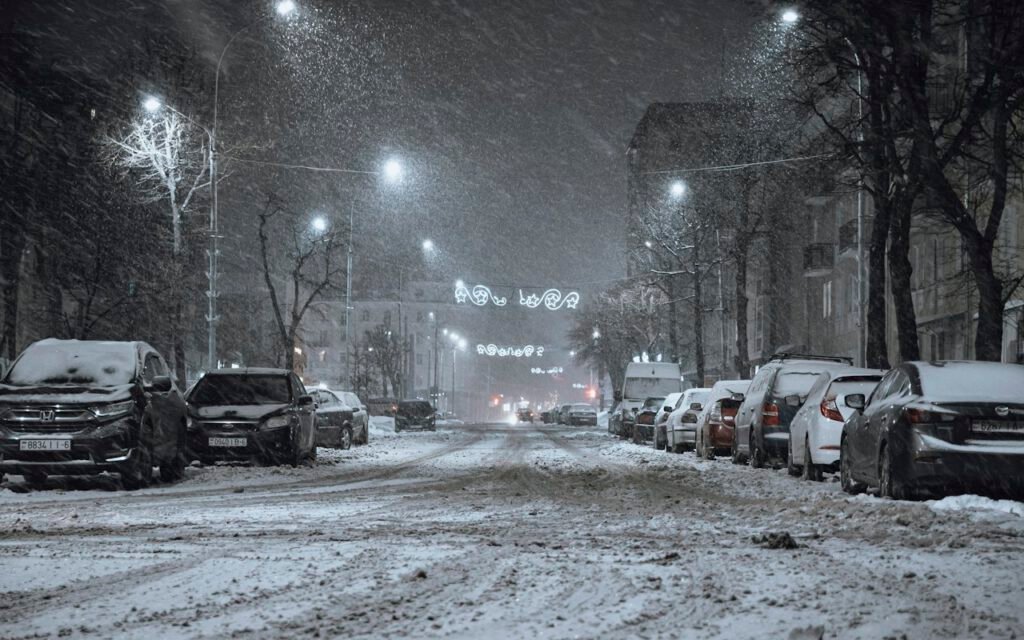

Sam Ortiz
Sam writes the itineraries, fixes the van and is in charge of snacks.

Colorado winters taught us to always be ready for a closed pass or a long wait. Our first winter here, we got stuck on the interstate for nearly four hours after a crash closed the road over a mountain pass. The temperature outside dropped into the single digits. We had half a tank of gas, one granola bar and a light jacket each. Nothing terrible happened, but we spent those four hours feeling very unprepared and very cold.
Here’s the kit that lives in our trunk from November to April. We built it slowly over a few winters, adding things each time we wished we had them. None of it is expensive, and all of it fits in one sturdy plastic bin plus a couple of loose items.
 Sponsored · Cooler Co.Ice for five daysRotomolded coolers with a lifetime warranty.Shop coolers
Why a winter kit matters
Winter driving adds risks that are easy to underestimate. Storms can close mountain passes for hours. A minor slide into a snowbank can leave you stuck far from help. Cold weather drains batteries, and a dead car in freezing temperatures is a serious situation. Even a short drive to the grocery store can turn into a long wait if traffic stops on an icy highway.
A winter kit will not prevent these things, but it can make them much safer and much less miserable. It buys you time and comfort while you wait for the road to open, the tow truck to arrive or the storm to pass.

Stay warm
Wool blankets, hand warmers and extra socks. Staying warm is the top priority if you get stuck, especially if you need to conserve fuel. We keep two thick wool blankets folded at the bottom of our bin. Wool stays warm even when it gets a little damp, and it packs down smaller than you would expect.
Disposable hand warmers are small, cheap and surprisingly effective. We keep a few pairs in the kit, plus a couple of toe warmers. Extra wool socks matter more than people think. If your feet get wet while digging out, dry socks make a big difference to how warm you feel. We also keep a spare hat, a pair of insulated gloves and an old down jacket that is too worn for everyday use but perfect for emergencies.
You hope you never need it. Pack it anyway.
Sam, co-author of Two Lanes
If you get stuck in your car
Most safety guidance for drivers stranded in winter weather shares the same basic advice. Please check your state’s winter driving guidance as well, since details vary:
- Stay with your vehicle unless help is very close and clearly visible. A car is easier for rescuers to find than a person on foot.
- Make sure the exhaust pipe is clear of snow before running the engine, to help prevent dangerous carbon monoxide from building up inside.
- Run the engine and heater for short periods, about ten minutes an hour, and crack a window slightly for fresh air.
- Turn on the dome light or hazard lights so others can see you, but watch your battery.
- Move your arms and legs to keep blood flowing, and stay hydrated.
Get unstuck
A small shovel, a bag of sand and traction mats. Sliding off the edge of a snowy road or getting stuck in a parking lot is far more common than a full emergency. These three items have gotten us, and a few strangers, moving again more times than we can count.
Our shovel is a compact, collapsible one that fits in the bin. It is perfect for clearing snow from around the tires and under the car. A bag of sand or cat litter, sprinkled under the drive wheels, adds grip on ice. Traction mats are plastic boards with ridges that you wedge under a stuck tire to help it climb out. They are the newest addition to our kit and, honestly, the most impressive.
When you are stuck, go slowly. Spinning the tires just digs you in deeper. Clear the snow around the tires, add sand or mats, straighten the wheel and apply gentle, steady pressure on the gas. Sometimes rocking gently between forward and reverse helps, but check your owner’s manual first, since some vehicles advise against it.
Our kit
Here is the core of what lives in our trunk all winter:
- Blankets and hand warmers
- Shovel and traction mats
- Ice scraper
- Water and snacks
- Phone charger
We have also added a few extras over the years:
- Jumper cables or a portable jump starter. Cold weather is hard on batteries.
- A headlamp with spare batteries. Winter days are short, and you will need both hands.
- A small first aid kit. Basic supplies for cuts and scrapes.
- Reflective triangles. To make the car more visible if you are stopped on the side of the road.
- A bright bandana or cloth to tie to the antenna as a signal for help.
- Windshield washer fluid rated for freezing temperatures.
For snacks, we choose things that will not freeze solid or go bad: nuts, granola bars, dried fruit and crackers. Water bottles can freeze in a cold trunk, so we keep a couple of bottles inside the car instead, partly full to leave room for expansion.
Key takeaway: Warmth, traction, water, food and a way to charge your phone. Pack them in November and leave them in until spring.
How we pack it
Everything except the shovel and traction mats goes into one lidded plastic bin that sits against the back seat, where it will not slide around. The blankets go on the bottom, the snacks and hand warmers on top so they are easy to reach. We tape a short checklist inside the lid and go through it every November when the kit goes in. That is when we replace expired snacks, swap out used hand warmers, test the headlamp and charge the jump starter. Then in April, the whole bin comes out, gets cleaned and goes on a shelf in the garage until fall.
Habits that matter as much as gear
The best winter kit in the world does not replace good habits. Before any winter drive, especially over mountain passes, we follow a few simple rules:
- Keep the gas tank at least half full all winter.
- Check the road conditions and weather before leaving, and be willing to wait if a storm is coming.
- Tell someone your route and when you expect to arrive.
- Make sure your tires are in good shape and right for the conditions. Ask a tire shop about winter tires if you drive in snow often.
- Clear all snow and ice off the car, including the roof, lights and windows, before you drive.
- Slow down, leave extra space and brake gently.
Ready for winter
Since that cold afternoon on the interstate, we have been stuck in traffic during storms a few more times. The difference is that now we are comfortable. We wrap up in wool blankets, eat a snack, drink some water, keep the phone charged and wait it out calmly. Once, we even lent our traction mats to a family whose minivan had slid into a ditch, and they were back on the road in fifteen minutes.
Building a winter car kit takes an afternoon and maybe $100 to $150, depending on what you already have. It is one of those things you hope you never need. Pack it anyway.
Road and park conditions change. Always check official park alerts and weather before you go.
Sam Ortiz
Sam writes the itineraries, fixes the van and is in charge of snacks.


Start the conversation