



 DecorA Living Room Refresh for Under $500Paint, light and the art of moving furniture.

Written by
Rosa Bell
Rosa is a master gardener who grows 40 kinds of tomatoes and names none of them.
11Articles
2026Writing since
Some plants handle low light surprisingly well. If your apartment faces north, sits in the shadow of a taller building or looks out onto a shady porch, you may have assumed houseplants are not for you. Maybe you have even watched a few fade away on a dim windowsill. The truth is that the right plants can thrive in rooms that never see direct sun. They will not grow as fast as their cousins in a bright south window, but they will stay green, healthy and handsome with very little fuss. The secret is choosing tough, adaptable plants and adjusting your care to match the gentler light.
Understanding north light
In the Northern Hemisphere, north-facing windows receive no direct sunlight for most of the year. Instead, they get soft, even, indirect light throughout the day. That consistent glow is actually pleasant for many plants that evolved on shady forest floors, beneath taller trees.
Still, light fades quickly as you move away from a window. A plant sitting right on a north sill may get decent light, while one 8 feet back in the room gets only a fraction of that. A simple test helps: hold your hand about a foot above where the plant will sit at midday. A soft but visible shadow means medium-low light, which many tough plants handle well. A barely visible shadow or none at all means very low light, which is a challenge for almost any plant.
Low light is not no light
Every plant needs some light to make food. A windowless bathroom or a dark hallway with lamps on a few hours a day is not enough for long-term health. If you love a dark corner, rotate plants between it and a brighter spot every few weeks, or add a small grow light.
Good choices
ZZ plant, snake plant, pothos and cast-iron plant. These four are the most reliable choices for north-facing rooms, and each brings its own look.
- ZZ plant. Glossy, dark green leaves on upright stems. It stores water in thick roots and tolerates neglect remarkably well.
- Snake plant. Tall, sword-shaped leaves, often edged in yellow. It handles low light, dry air and infrequent watering.
- Pothos. A fast-growing trailing vine with heart-shaped leaves. Perfect for shelves and hanging planters.
- Cast-iron plant. Broad, deep green leaves that live up to the name. It is slow, steady and nearly indestructible.
A few more to try
Once you have had success, branch out. Heartleaf philodendron trails like pothos and handles similar conditions. Chinese evergreen comes in lovely silvery and pink-tinged varieties. Parlor palm brings a soft, feathery look and has been a favorite indoor plant for well over a century. Peace lily tolerates lower light and may even bloom, though it flowers more with brighter conditions.
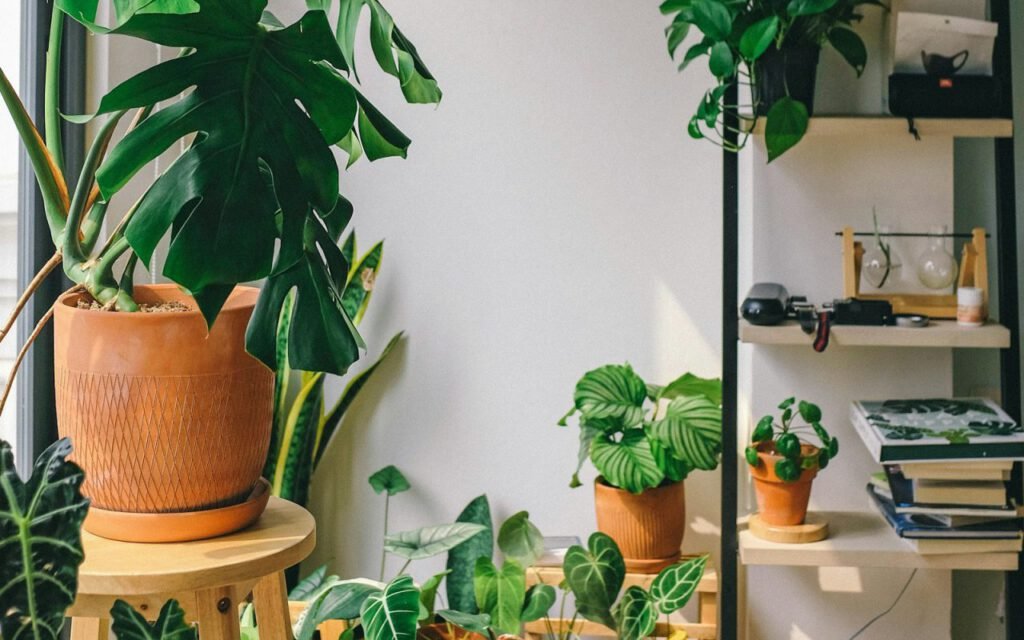
Low light isn’t no light. Pick the right plant.
Plant shop owner (fictional)
Water less
Low light means slower growth and less water. This is where most low-light plants run into trouble. A plant in a dim room uses water much more slowly than the same plant in bright sun, so the soil stays wet far longer. Watering on a fixed weekly schedule often leads to soggy roots and root rot.
Instead, check the soil before every watering. For most of the plants above, wait until the top 2 inches feel dry. ZZ plants and snake plants prefer to dry out almost completely between waterings, which in a north room may mean every three or four weeks, or even less in winter. Pothos and Chinese evergreen like a little more moisture but still should not sit wet.
- Feel first. Push a finger into the soil up to the second knuckle.
- Water deeply. When it is dry, water slowly until a little runs out the drainage hole.
- Drain well. Empty the saucer after 15 minutes so roots are not sitting in water.
- Slow down in winter. Shorter days mean even slower growth; stretch the time between waterings.
Always use pots with drainage holes and a well-draining indoor potting mix. Terra-cotta pots are especially helpful in low light because they let soil dry a bit faster.
Small tricks for more light
You can squeeze more light out of a dim room with a few easy changes. Keep windows clean; dust and grime filter out more light than you would expect. Pull plants as close to the window as possible, ideally within 2 or 3 feet. Choose sheer curtains or keep blinds fully open during the day.
Light-colored walls and a well-placed mirror bounce extra light around a room. Rotating pots a quarter turn every week or two keeps plants from leaning toward the window and growing lopsided. Wipe leaves with a soft, damp cloth every month or so; dusty leaves cannot absorb light as well.
Consider a grow light
Modern LED grow lights are inexpensive, energy-efficient and come in attractive styles, including bulbs that fit ordinary lamps. A few hours of extra light each evening can make a big difference for plants in the back of a room. Our room-refresh budget estimator includes a line for plant lighting if you are planning a bigger update.
Feeding, pests and pet safety
Plants in low light need very little fertilizer. Feed lightly, at half the label strength, a few times during spring and summer, and skip it in fall and winter. Too much fertilizer can build up in the soil and burn roots when growth is slow.
Check leaves now and then for tiny webs, sticky spots or cottony clusters, which can signal spider mites, scale or mealybugs. Wipe affected leaves with a damp cloth and isolate the plant from others. A garden center can recommend a gentle treatment if the problem persists.
Some houseplants are toxic to pets — check before you buy.
Several of the plants on our list, including ZZ plant, pothos, snake plant and peace lily, can cause irritation or stomach upset if chewed by cats or dogs. Cast-iron plant and parlor palm are generally considered safer options. If you have pets or small children, check a reliable plant toxicity list and ask your veterinarian if you have questions.
Reading the signs
Your plants will tell you how they feel about their spot. Long, stretched stems with big gaps between leaves mean the plant is reaching for more light; move it closer to the window. Yellowing lower leaves and soil that stays damp for weeks usually point to overwatering. Brown, crispy tips can mean dry air or inconsistent watering. New variegated leaves coming in solid green suggest the light is too low for that variety. None of these are emergencies, and most plants bounce back quickly once you adjust their care. Make one change at a time and give it a few weeks before deciding whether it worked.
Key takeaway: Choose tough plants like ZZ, snake plant, pothos and cast-iron plant, keep them close to the window and water only when the soil has dried out.
Green, even in the shade
A north-facing room does not have to be a plant-free room. Start with one or two easy growers, watch how they respond and adjust your watering to match. Within a few months, you will learn the rhythm of your space. Before long, that shady corner you once ignored may be the greenest, most peaceful spot in your home.
Written by
Rosa Bell
Rosa is a master gardener who grows 40 kinds of tomatoes and names none of them.
11Articles
2026Writing since
Read next
DecorA Living Room Refresh for Under $500Paint, light and the art of moving furniture. DecorHouseplants That Are Nearly Impossible to KillPothos, snake plants and other forgiving friends.
 DecorCreate a Cozy Reading Nook in Any CornerA chair, a lamp and a blanket.
 GardenGrowing Tomatoes: From Seedling to SandwichSun, support and steady water.
 DecorChoosing Paint Colors Without RegretTest big, test in daylight, test at night.
 HouseplantsRepotting Houseplants: When and HowRoots, pot size and fresh soil.
 DecorSmall Space Living: Making 500 Square Feet Feel BiggerMirrors, multi-use furniture and smart storage.
 GardenStarting Seeds Indoors: A Beginner’s GuideTrays, light and the patience to wait.DecorStudio Apartment Layouts That WorkZones, rugs and a bed that hides.
Start the conversation