
 Road TripsRoute 66 in Ten Days: Chicago to Santa MonicaNeon motels, slow diners and the stretches of the old road that still feel like 1955.
Road Trips Ben Carver6 min read
The Desert Southwest Loop: Ten Days, Five Parks
Zion, Bryce, Capitol Reef, Arches and the Grand Canyon in one big circle from Las Vegas.
Ben Carver6 min read

Written by
Ben Carver
Ben has driven Route 66 four times and photographs every mile marker that still has a story.
9Articles
2026Writing since
Las Vegas is the cheapest airport for the Southwest, and from there five national parks sit in a rough circle. Zion, Bryce Canyon, Capitol Reef, Arches and the Grand Canyon are all within a long day’s drive of each other, linked by some of the most dramatic roads in the country. Ten days gives you two nights at each without feeling rushed. We drove this loop last October, and it remains the single best road trip we have ever taken. Here is the order, the scenic stretches, the pass that saves you money and the small things we learned along the way.
Best time: April or October. Stay: ten days. Budget: moderate.
Advertisement Sponsored · Skyward Rewards Card60,000 bonus milesAfter $3,000 spent in the first 3 months.Apply now
Sponsored · Skyward Rewards Card60,000 bonus milesAfter $3,000 spent in the first 3 months.Apply nowWhy this loop works
The parks of southern Utah and northern Arizona are spread across a huge stretch of high desert, but they connect neatly into a circle. Starting and ending in Las Vegas means you can fly into one of the busiest and best-priced airports in the West, pick up a rental car and return it to the same place, avoiding one-way drop-off fees. The total drive is roughly 1,200 miles, which works out to an average of about two to three hours a day. That leaves plenty of time for hiking, sunsets and long breakfasts.
Timing matters more than anything else. Summer temperatures in the lower parks can climb above 100 degrees, while winter brings snow and road closures at higher elevations, especially at Bryce and the North Rim of the Grand Canyon. April and October hit the sweet spot, with warm days, cool nights and fewer crowds than summer.
The order
Zion, Bryce Canyon, Capitol Reef, Arches and Canyonlands, then south to the Grand Canyon and back to Vegas. Here is how we split the ten days:
- Days one and two: Zion. About two and a half hours from Las Vegas. Towering red and cream cliffs, the Virgin River and some of the most famous hikes in the park system.
- Days three and four: Bryce Canyon. A forest of orange rock spires called hoodoos, best seen at sunrise from the rim.
- Days five and six: Capitol Reef. The quiet surprise of the trip, with orchards, petroglyphs and a long wrinkle in the earth.
- Days seven and eight: Arches and Canyonlands. Based in Moab, with sunrise and sunset hikes in both parks.
- Days nine and ten: the Grand Canyon. A long drive south to the South Rim, then back to Las Vegas.
Zion
Zion is the busiest park on the loop, and from spring through fall the main canyon road is open only to park shuttles. Arrive early to catch the first buses. The two most famous hikes are Angels Landing, a steep climb along a narrow ridge that now requires a permit through a lottery, and the Narrows, where you wade up the Virgin River between canyon walls hundreds of feet tall. Check river levels and flash flood warnings before hiking the Narrows, and rent proper footwear in Springdale.
AdvertisementSponsored · Skyward Rewards Card60,000 bonus milesAfter $3,000 spent in the first 3 months.Apply now
Sponsored · Skyward Rewards Card60,000 bonus milesAfter $3,000 spent in the first 3 months.Apply nowBryce Canyon
Bryce sits much higher than Zion, above 8,000 feet in places, so expect cold mornings even in October. Watch the sunrise from Bryce Point, then walk down among the hoodoos on the Navajo Loop and Queens Garden trails. The combination is about three miles and climbs back out of the amphitheater at the end, so take it slowly at this altitude.
The scenic stretch
Utah’s Highway 12 between Bryce and Capitol Reef is one of the best drives in the country. It winds about 120 miles through canyons, slickrock country, aspen forests and small ranching towns, with a new view around nearly every bend.
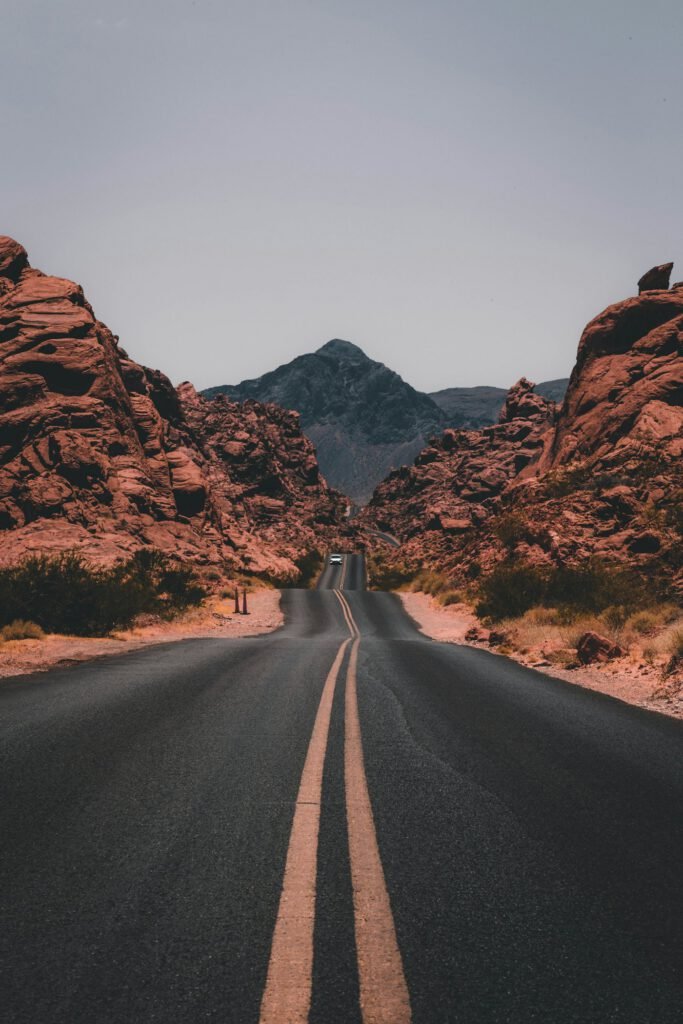
The most famous section is the Hogsback, a narrow ridge where the road runs along the top with steep drops on both sides and no guardrails in places. It is perfectly safe at normal speed, but it is not a place to stop or rush. Pull over at the overlooks before and after to take in the views. Along the way, stop at the small town of Escalante for a coffee and at the overlook above the Escalante River for a picnic.
Capitol Reef
Capitol Reef is the least visited park on the loop, and that is its charm. The park follows the Waterpocket Fold, a hundred-mile buckle in the earth’s crust. In the historic Fruita district, old orchards still produce apples, pears and peaches, and in season you can pick your own for a small fee. Walk to Hickman Bridge, a natural arch about two miles round trip, and stop at the petroglyph panels along the main road. Before leaving, visit the old homestead store for a famous slice of homemade pie.
Fill up whenever you pass a gas station. Some stretches have none for a hundred miles.
Road-trip writer Nora Feld
Nora’s rule kept us out of trouble more than once. Between Capitol Reef and the interstate toward Moab, gas stations are few and far between. Keep your tank above half, carry extra water and download offline maps before you leave town, since cell service disappears for long stretches.
Arches, Canyonlands and the Grand Canyon
From Capitol Reef, the road heads east across open desert to Moab, the base for Arches and Canyonlands. Arches requires a timed-entry reservation for mid-day visits from spring through fall, so book ahead or plan to enter early in the morning or late in the afternoon. Hike to Delicate Arch at sunset and watch sunrise at Mesa Arch in Canyonlands the next morning.
The final leg is the longest, about five hours south through the Navajo Nation to the South Rim of the Grand Canyon. Break the drive with a stop at one of the trading posts along the highway. At the rim, walk the paved Rim Trail at sunset, and if you have energy left the next morning, hike a short way down the South Kaibab Trail to Ooh Aah Point. Remember that every mile down is a mile back up, and the climb out is much harder than the walk in.

Buy the annual pass
The $80 America the Beautiful pass pays for itself by the third park. Entrance fees at each of these parks range from about $30 to $35 per vehicle, so five parks would cost far more than the pass. It also covers national monuments and other federal recreation sites along the way. Buy it online before your trip or at the first park entrance.
Where to sleep
Lodging inside the parks is limited and books up to a year ahead. Gateway towns like Springdale, Torrey, Moab and Tusayan offer plenty of motels, cabins and campgrounds. We mixed simple motels with a few nights of camping, which kept the budget reasonable and gave us some unforgettable starry nights.
Key takeaway: book lodging for all five stops as soon as your dates are set. In April and October, the best options in each gateway town fill up months ahead.
Don’t miss
If you are planning the loop, make sure your list includes Angels Landing or the Narrows in Zion, sunrise at Bryce Point, Highway 12 over the Hogsback and a slice of pie in Torrey, the small town just outside Capitol Reef. Those four moments capture the trip: big adventure, quiet beauty, wild roads and small-town comfort.

The Desert Southwest is enormous, and ten days will only scratch the surface. That is part of its appeal. Drive the loop once and you will come home with a list of places to return to, trails you ran out of time to hike and roads you want to drive again at sunset. Fill the tank, buy the pass and leave room in the schedule for the unexpected.
Written by
Ben Carver
Ben has driven Route 66 four times and photographs every mile marker that still has a story.
9Articles
2026Writing since
Read next
Road TripsRoute 66 in Ten Days: Chicago to Santa MonicaNeon motels, slow diners and the stretches of the old road that still feel like 1955. Coasts & LakesBig Sur on Highway 1: The Most Beautiful Drive in AmericaNinety miles of cliffs, redwoods and pull-offs — and why you should drive it north to…
 Road TripsNew England Fall Foliage Drive: Seven Days of ColorVermont back roads, covered bridges and the week the leaves usually peak.
 Road TripsVan Life for a Week: How to Plan Your First Campervan TripRenting, routes, where to sleep legally and what we wish we had packed.
2 Comments
Thanks for explaining this so clearly.
Great reporting — please keep following this story.