 Lena Brooks6 min read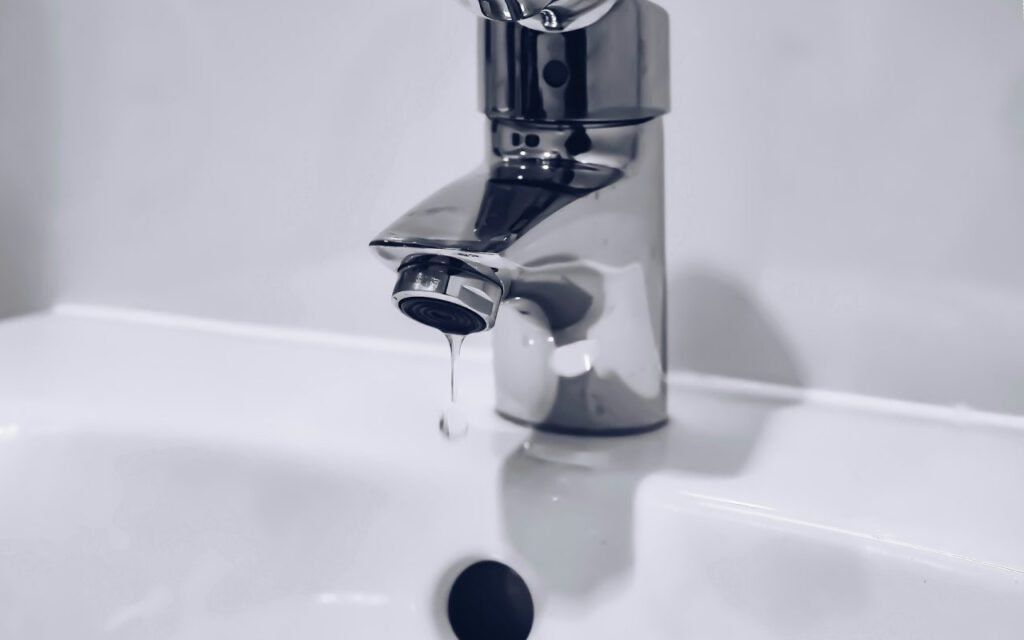
A faucet that drips once a second wastes more than eight gallons a day. That steady little plink in the bathroom sink is easy to tune out, especially when you are busy and it seems too small to bother with. But do the math over a full year and a single leaky faucet can send roughly 3,000 gallons straight down the drain. That is water you paid for, water your water heater may have warmed up, and water that never did a single useful thing for your household. Here at ClearFlow Plumbing, we fix drips every week, and we can tell you that a drip is almost always costing more than people think.
In Phoenix, where every gallon counts, that adds up fast. Our desert summers, hard water and long stretches without rain make careful water use a part of daily life for most Valley homeowners. The good news is that the most common leaks in a home are also some of the easiest and cheapest to fix. Here is what to look for, what you can check yourself and when it makes sense to give us a call.
The real cost of a slow drip
It helps to picture the numbers. One drip per second works out to about 86,000 drips a day. Depending on the size of each drop, that is more than eight gallons, or about the same as a quick shower, gone every single day. Over a month, it can fill a couple of bathtubs. Over a year, it is enough to water a small backyard garden for a whole season.
The cost shows up in a few ways:
- Your water bill. You pay for every gallon that passes through the meter, whether it lands in a glass or the drain.
- Your sewer charges. Many cities bill sewer service based on water use, so wasted water can be charged twice.
- Your energy bill. If the drip is on the hot side, your water heater is working to warm water that goes nowhere.
- Your fixtures. Constant dripping, especially with hard water, can leave mineral stains and wear down finishes and seals faster.
A single leak may only add a few dollars a month, but homes rarely have just one. A dripping kitchen faucet, a running toilet and a slow leak under a sink can quietly add up to a noticeable jump in your bill.

Usually a cheap fix
Most drips come from a worn cartridge or washer, a part that costs less than a lunch. Inside every faucet is a small mechanism that controls the flow of water. Older compression faucets use rubber washers that press against a seat to stop the water. Newer single-handle faucets usually use a cartridge or ceramic disc. Over time, rubber hardens, seals wear and minerals from hard water build up, and the faucet no longer closes completely.
Fix the small leaks and the big water bill fixes itself.
Ramon
Ramon, who has been repairing faucets for ClearFlow customers across the Valley for years, says the most common thing he hears is, “I didn’t think it was worth a service call.” In many cases, the repair takes less than an hour and the part costs only a few dollars. The bigger expense is the water wasted while the drip goes ignored.
Should you fix it yourself?
Handy homeowners can often replace a washer or cartridge with basic tools. If you try it, follow a few ground rules:
- Shut off the water at the valves under the sink before you start.
- Plug the drain so small parts do not disappear down it.
- Take a photo of each step as you take the faucet apart.
- Bring the old part to the hardware store to match it exactly.
- Turn the water back on slowly and check for leaks around the handle and base.
If the valves under the sink are stuck, the faucet is corroded, or you are not sure which part you need, it is worth calling a licensed plumber. Forcing old parts can turn a small drip into a bigger leak.
Check the toilets too
Put a few drops of food coloring in the tank. If color shows in the bowl after 15 minutes, the flapper leaks. Toilets are one of the biggest sources of hidden water waste in a home, because a slow leak from tank to bowl is often silent. You might never hear it or see it, yet it can waste far more water than a dripping faucet.
The food coloring test takes about two minutes of your time:
- Remove the tank lid and add a few drops of food coloring to the water in the tank.
- Do not flush. Wait 15 minutes.
- Look in the bowl. If you see color, water is leaking past the flapper.
- Flush afterward so the coloring does not stain the bowl.
A worn flapper is another inexpensive part. Other signs of a toilet problem include a tank that refills on its own every so often, a hissing sound after flushing, or a handle you have to jiggle to stop the water running.
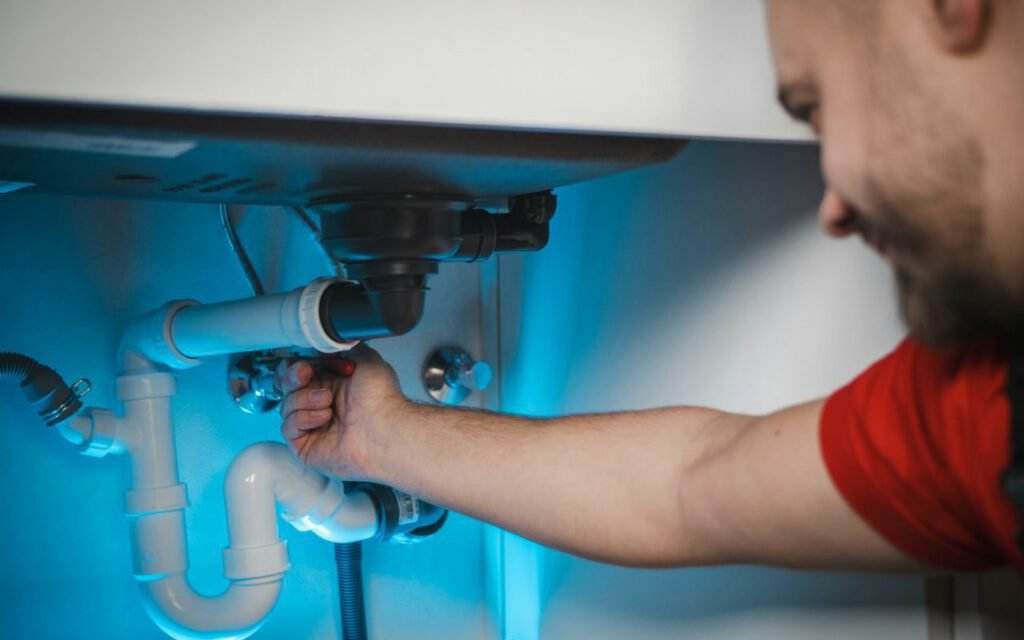
Hidden leak checklist
Not every leak drips where you can see it. Some hide inside cabinets, behind walls or under slabs. Walk through your home with this checklist a couple of times a year, and anytime your water bill surprises you:
- Faucet drips
- Running toilet
- Damp cabinet under the sink
- Meter moves with everything off
- Higher bill, same habits
How to use your water meter
Your water meter is one of the best leak detectors you have. Make sure no one is using water inside or out, and that the dishwasher, washing machine and irrigation system are off. Then find your meter, usually in a box near the curb, and look at the dial or the small leak indicator. Wait 30 minutes without using any water and check again. If the numbers have moved or the indicator is spinning, water is going somewhere it should not.
A moving meter with everything off can point to a hidden leak in a supply line, an irrigation line in the yard or under the slab. Those leaks are harder to find and are best handled by a professional with the right detection tools.
When to call a pro
Many small leaks are simple repairs, but some are signs of a bigger problem. Give us or another licensed plumber a call if you notice:
- Water stains, bubbling paint or a musty smell on walls or ceilings.
- Warm spots on the floor, which can signal a hot water line leak under the slab.
- Low water pressure throughout the house.
- A meter that moves with every fixture turned off.
- Puddles near the water heater.
- Soggy patches in the yard when it has not rained or been watered.
If you ever see water spreading quickly, shut off the main water valve to your home and call for help right away. It is a good idea to find that valve now, before you need it, and make sure everyone in the house knows where it is.
Small leaks, big savings
A dripping faucet or a running toilet might seem like a minor annoyance, but over a year it can waste thousands of gallons and quietly raise your bills. Most of these leaks are easy, inexpensive fixes. Spend fifteen minutes this weekend checking your faucets, testing your toilets with food coloring and reading your water meter. If you find something you are not comfortable fixing, the ClearFlow team is happy to help, and in a desert city like Phoenix, every gallon you save is worth it.
Key takeaway: Fix drips early, test toilet flappers with food coloring and use your water meter to catch hidden leaks before they cost you.

Lena Brooks
Lena keeps the trucks on time.

Lena Brooks
Lena keeps the trucks on time.


2 Comments
Thanks for explaining this so clearly.
Great reporting — please keep following this story.