


 Style & DecorSeasonal Wedding Flowers That Look Expensive (But Aren’t)Peonies, garden roses and the art of the loose bouquet.
Reception Eli Brooks6 min read
Table Settings That Wow Without the Fuss
Linen, greenery and one special touch per place.
Eli Brooks6 min read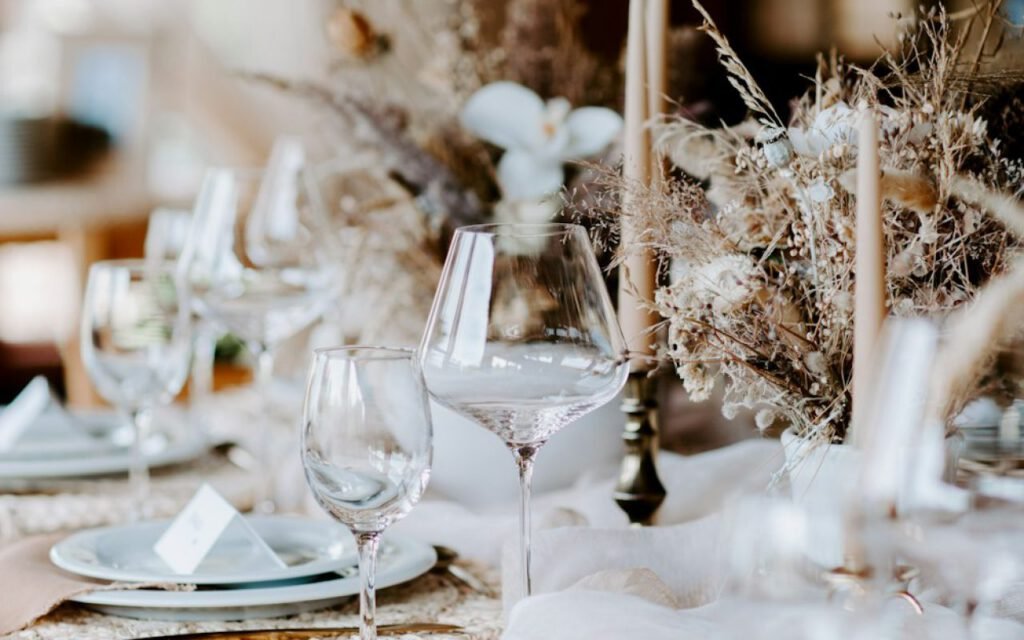

Written by
Eli Brooks
Eli has photographed weddings on three continents and one very windy beach.
5Articles
2026Writing since
A beautiful table doesn’t require dozens of pieces. Start simple and add one memorable detail. Scroll through wedding inspiration for long enough and you might believe every place setting needs three forks, four glasses, a charger, a printed menu, a napkin folded into a swan and a candle in a hand-blown holder. In reality, some of the loveliest receptions we have featured at Vow & Veil used only a handful of well-chosen elements. The trick is not more stuff. It is a clear plan, a calm color palette and one personal touch that makes each guest feel like the table was set just for them. Here is how to create a reception table that photographs beautifully and feels welcoming, without driving yourself or your budget into the ground.
Start with linens
Soft neutral linens make everything else look better. The tablecloth is the largest surface on every table, so it sets the tone for the whole room. Ivory, oatmeal, soft gray, sage and dusty blue are popular choices because they work in almost any light and let flowers and candles stand out. Textured fabrics like washed linen or cotton gauze add warmth and a relaxed, organic feel, while crisp, smooth fabrics read more formal.
A few practical notes on linens:
- Floor-length cloths look polished and hide table legs and storage boxes underneath.
- Runners on a bare wooden farm table can be lovely, but check the table surface in person first.
- Napkins are an easy place to add a second color, such as a soft terracotta or deep green.
- Wrinkles show in photos, so ask your rental company whether linens arrive pressed and who steams them on site.
If your venue includes basic linens, ask to see them before you rent upgrades. Sometimes a simple white cloth plus a colored napkin is all you need.

Keep the place setting simple
Once the linens are set, build the place setting from the plate up. Most receptions need far less than people think. A dinner plate, a napkin, a fork, a knife, a water glass and a wine glass cover nearly every menu. Add a dessert fork or a salad plate only if your caterer actually needs them for the courses being served. Every extra piece adds rental cost and clutter.
A charger plate, the larger decorative plate that sits under the dinner plate, is optional. It frames each setting nicely in photos, especially in gold, wood or woven rattan, but it is purely decorative and usually removed before the main course. If your budget is tight, this is an easy place to save.
Glassware is where many couples can make a subtle style statement. Tinted water glasses in amber, smoke or soft pink add a hint of color, and vintage-style cut glass looks charming on a long farm table. Just remember that the caterer needs to know how many glasses to clear and refill, so confirm the plan with them.
Centerpieces that let people talk
Centerpieces are usually the biggest decor expense on the table, and they come with one practical rule: guests need to see each other. Low arrangements, under about fourteen inches, keep conversation easy. Tall arrangements on thin stands can also work, as long as the open space sits above eye level.
Some of our favorite approaches for simple, striking tables:
- Bud vases: a cluster of small vases with one or two stems each, easy to arrange and inexpensive.
- Garland runners: a line of loose greenery like eucalyptus, olive or smilax down the middle of a long table.
- Seasonal produce: lemons, pears, pomegranates or small pumpkins mixed with greenery.
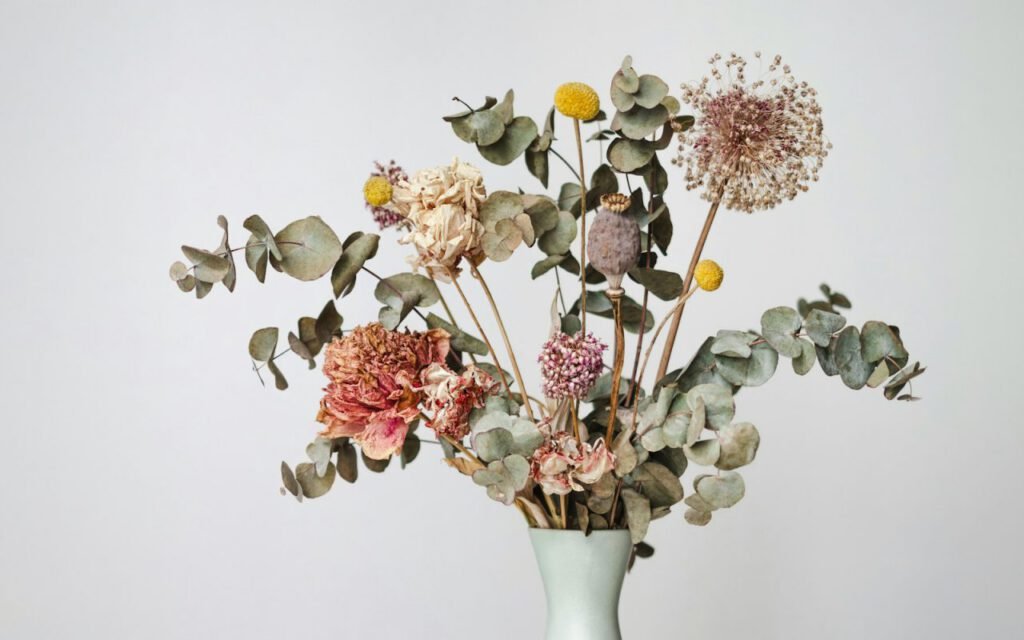
- Dried flowers: grasses, strawflowers and bunny tails that won’t wilt in summer heat.
- Candles only: a generous mix of pillar and taper candles, often the most romantic option at night.
Ask your florist about reusing ceremony arrangements on the reception tables or on the bar. It is a simple way to get more from the same budget.
One special touch
Handwritten name cards or a sprig of herbs make guests feel welcome. This is the part of the table guests remember. They might not notice the color of the napkin or the shape of the glass, but they will notice their own name written by hand, a small sprig of lavender tucked into their napkin or a short note from you waiting at their seat.
Guests remember their name written by hand.
Claire Holt, wedding planner (fictional)
Choose one personal detail and do it well, rather than trying to add five. A few ideas our readers have loved:
A handwritten place card on a smooth river stone, a slice of wood or a leaf. A sprig of rosemary, thyme or olive tied to each napkin with simple twine. A small printed menu with the story behind one dish. A vintage postcard from your city with a short thank-you note on the back. A tiny packet of seeds or a wrapped cookie that doubles as a favor.
The detail doesn’t need to be expensive. It needs to feel personal. If you or a friend have nice handwriting, place cards are a lovely project for a couple of evenings with a good pen and a playlist. If not, many local calligraphers offer affordable name-card services.
Key takeaway: Choose calm linens, keep the setting to what the menu needs, keep centerpieces low and spend your creative energy on one personal touch.
Long tables or rounds?
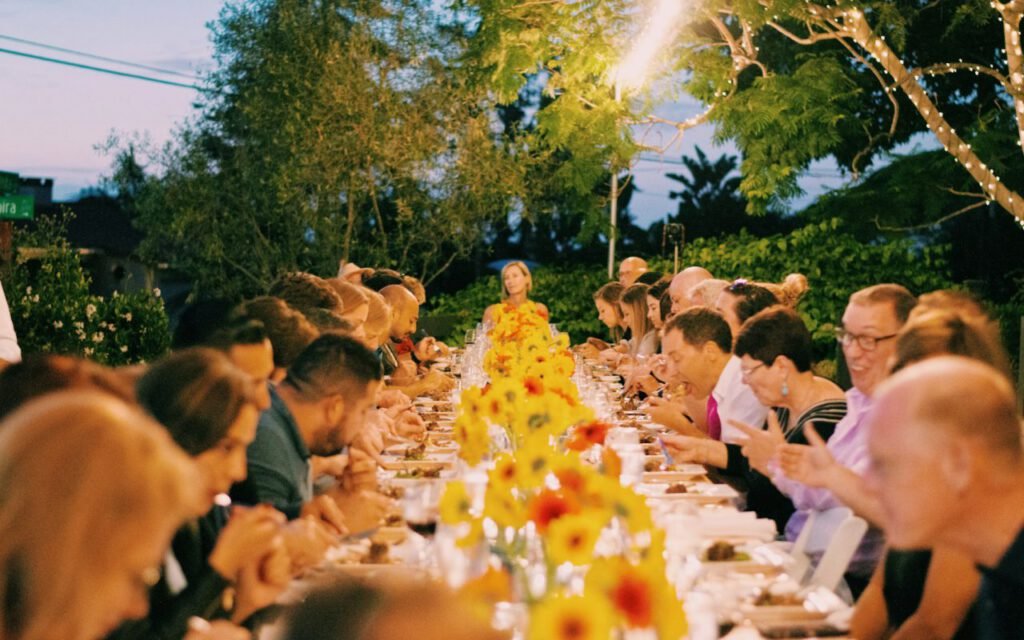
The shape of your tables changes how the room feels. Long banquet tables create a family-dinner atmosphere, encourage conversation across the table and look stunning down the length of a barn or tent. They work especially well for smaller weddings and family-style meals. Round tables are more traditional, make it easy to group families and friends together and often fit more guests into a standard ballroom.
Many couples now mix both, with long tables down the center of the room and rounds along the sides. It adds visual interest and gives you more flexibility when building the seating chart. Ask your venue for a floor plan and play with layouts before you commit.
Leave enough room between tables for servers to move easily with trays and for guests to push back their chairs. Your venue coordinator can tell you the recommended spacing, and it is worth following. A beautiful table loses its charm quickly if guests have to squeeze past each other all night.
Setting the table on the day
Table setup takes longer than most couples expect, especially for weddings with place cards, menus and individual details. Confirm with your planner, venue or caterer who is responsible for setting each element and when they can access the room. Prepare a photo of one finished place setting and share it with the setup team so every table looks the same. Pack small details like name cards and favors in labeled boxes, sorted by table number.
Beautiful, not busy
The tables your guests sit at for dinner are where much of the evening’s warmth happens. When the linens are soft, the setting is simple and one small detail says “we thought of you,” the table does its job: it makes people feel at home. Skip the swans and the third fork. Focus on calm color, low flowers and a handwritten name, and your reception will look elegant in photos and feel welcoming in person.
Written by
Eli Brooks
Eli has photographed weddings on three continents and one very windy beach.
5Articles
2026Writing since
Read next
Style & DecorSeasonal Wedding Flowers That Look Expensive (But Aren’t)Peonies, garden roses and the art of the loose bouquet. ReceptionFirst Dance Ideas for Couples Who Don’t DanceSimple steps, a short song and a lot of smiling.
 ReceptionWedding Cake Trends for Next YearFresh fruit, textured buttercream and smaller cakes.
 Dresses & RingsFinding “The Dress”: Tips From a Bridal StylistAppointments, budgets and who to bring.
 ReceptionToasts That Land: How to Write a Great Wedding SpeechThree minutes, one story and a glass raised.
 ReceptionReception Lighting: The Secret to Magical PhotosString lights, candles and warm tones.
Start the conversation