


 ShoppingThe 30-Piece Capsule Wardrobe for FallFewer clothes, more outfits — the pieces that do the most work.
Sustainable Style Ava Monroe6 min read
Reading Fabric Labels: What Lasts and What Doesn’t
Natural fibers, blends and why weight matters.
Ava Monroe6 min read

Written by
Ava Monroe
Ava has styled shoots for 15 years and still believes the best accessory is a good coat.
9Articles
2026Writing since
Knowing your fabrics helps you buy clothes that last. The tag sewn into a side seam is one of the most useful pieces of information in any store, and also one of the most ignored. We check the price, the size and the color, and then we wonder why a sweater pilled after three washes or a blouse lost its shape by October. The fiber content tells you much of that story before you ever reach the register. Learn to read it, and you will waste less money and keep your favorite pieces in your closet for years.
This guide walks through the most common fibers, what blends really mean, and how to read the care symbols that live next to the content label. It is not about buying only expensive fabrics. It is about knowing what you are getting, so you can choose with your eyes open.
Natural fibers
Wool, cotton, linen and silk breathe well and can last for years with care. These four are the backbone of a long-lasting wardrobe, and each one has its own strengths.
Wool
Wool is warm, naturally elastic and resists wrinkles. It also handles moisture well, which is why wool sweaters and socks stay comfortable even when you are active. Fine wools such as merino are soft enough to wear next to the skin. Cashmere, which comes from goats, is especially soft and light. Wool does need gentle care: hand washing or a delicate cycle in cool water, and drying flat to keep its shape.
Cotton
Cotton is soft, breathable and easy to wash. Longer-staple cottons tend to feel smoother and resist pilling better than short-staple versions. Cotton can shrink in hot water or a hot dryer, so many people wash in cold and hang to dry to keep favorite tees and shirts looking new.
Linen
Linen is made from the flax plant. It is cool, strong and gets softer with every wash. It also wrinkles easily, which many people consider part of its charm. It is ideal for hot summers in places like Phoenix, Houston or Miami.
Silk
Silk is smooth, light and surprisingly strong. It drapes beautifully and feels warm in cool weather and cool in warm weather. It is also delicate around water spots and heat, so check the label for hand washing or dry cleaning instructions.
Touch is the best quality test. Then check the label.
Ava Monroe, stylist
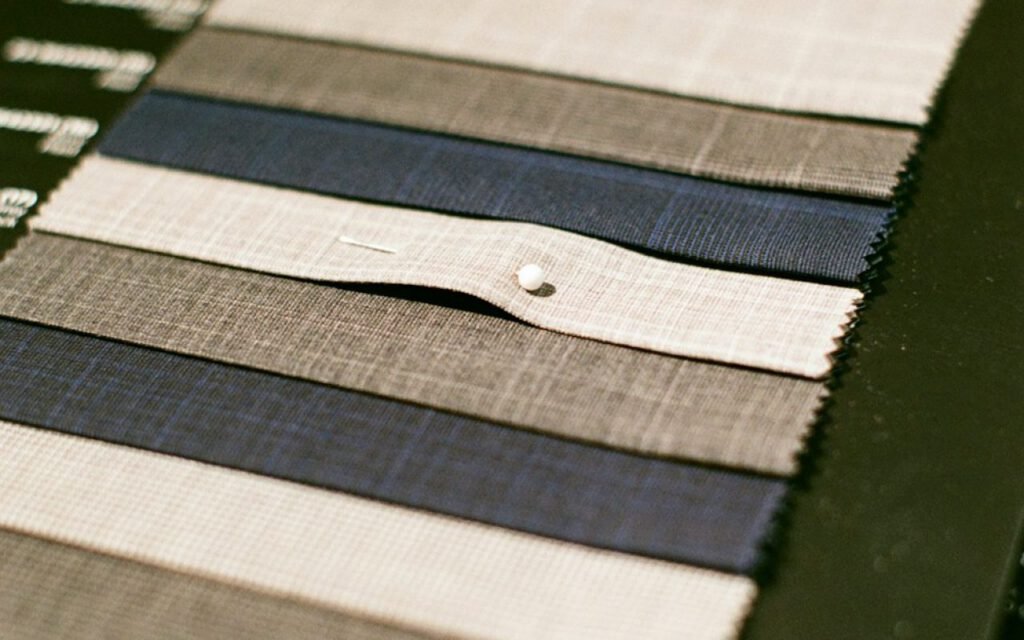
Ava’s advice is worth following in the fitting room. Rub the fabric gently between your fingers. Hold it up to the light to see how dense the weave or knit is. Stretch a small section and see whether it springs back. Then read the label to confirm what your hands already suspected.
Synthetic and semi-synthetic fibers
Not every non-natural fiber is a problem. Some are designed for specific jobs and do them very well. The key is knowing what each one is good for.
- Polyester is durable, quick-drying and resists wrinkles. It is common in activewear and outerwear. It does not breathe as well as natural fibers and can hold onto odors.
- Nylon is strong and light, often used in tights, swimwear and rain jackets.
- Acrylic is often used as a soft, inexpensive alternative to wool in sweaters. It can pill quickly and does not keep you as warm.
- Elastane, often sold as spandex, adds stretch. A small amount goes a long way.
- Viscose, rayon, modal and lyocell are made from plant cellulose that has been processed. They drape softly and feel cool, but some types can shrink or weaken when wet, so follow the care label closely.
Blends
A little stretch adds comfort; too much synthetic can pill quickly. Blends are where label reading becomes most useful, because the percentages tell you how a garment will behave.
As a rule of thumb, jeans with one to two percent elastane feel comfortable and hold their shape. Once stretch rises much higher, denim can start to bag out at the knees during the day. A sweater that is mostly wool with a small amount of nylon may be more durable than pure wool. But a sweater that is mostly acrylic with a small amount of wool will likely feel and wear more like acrylic, regardless of how the wool is advertised on the hang tag.
Pay attention to the order. Fibers are listed from the highest percentage to the lowest, so the first fiber on the label is the one that dominates how the garment feels and wears.
Key takeaway: look at the first fiber and its percentage. That is the fabric you are really buying.
Reading the care symbols
Next to the fiber content, most labels include a row of small symbols. They look cryptic, but they follow a simple system.
- A tub of water means machine or hand wash. Dots inside show the temperature; one dot is cold, more dots mean warmer water. A hand in the tub means hand wash only.
- A triangle refers to bleach. An empty triangle allows any bleach, a triangle with lines means non-chlorine only, and a crossed-out triangle means no bleach.
- A square refers to drying. A circle inside means tumble dry; a line inside means hang or lay flat.
- An iron shows ironing temperature, again by the number of dots.
- A circle on its own refers to professional cleaning, such as dry cleaning.
An X through any symbol means do not. When in doubt, the gentlest option, cold water and air drying, is usually the safest choice.
Signs of quality beyond the label
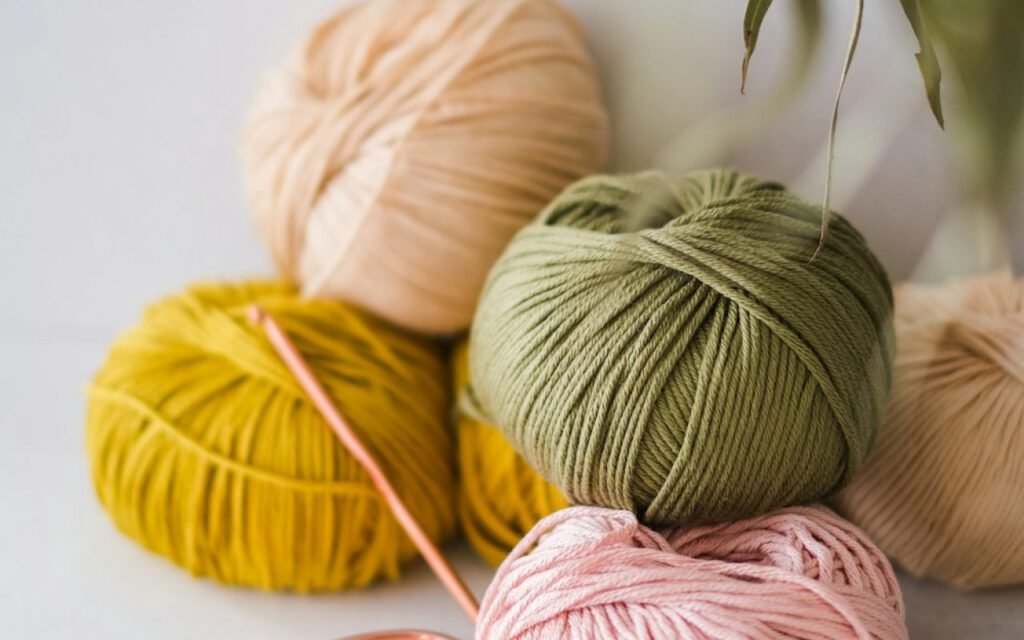
The fiber content is only part of the picture. Two garments made of the same cotton can wear very differently depending on how they are woven, knit and sewn. Once you have read the label, a few quick checks will tell you the rest.
Look at the density of the fabric. Hold a knit up to the light; a tightly knit sweater will let through less light and hold its shape better than a loose, airy one. Check the seams on the inside of the garment. Straight, even stitching with no loose threads is a good sign, and seams with a little extra fabric allowance can be let out later if needed. Patterns such as stripes and plaids should line up at the seams on well-made pieces.
Gently tug on buttons to see if they are secure, and run zippers up and down a few times. Check whether a lining lies smoothly. For knits, rub a small area on the inside of the sleeve against itself for a few seconds; fabric that fuzzes up immediately may pill quickly with wear. These small tests take less than a minute and often reveal more than the price tag.
Shopping with the label in mind
None of this means you should avoid every synthetic or buy only luxury fibers. Plenty of affordable clothes are made from solid cotton, and plenty of expensive clothes are made from fibers that will not last. The label simply lets you match a piece to its purpose. A polyester rain shell makes perfect sense. A polyester sweater meant to be your winter staple may disappoint.
Make it a habit: before you look at the price, look at the label. Feel the fabric. Ask yourself how often you will wear the piece and how you will clean it. Those few seconds can turn an impulse purchase into a long-term favorite, or save you from a sweater that will pill before the holidays.
Clothes that last are better for your budget and for the planet. And it all starts with a tiny tag most people never read.
Written by
Ava Monroe
Ava has styled shoots for 15 years and still believes the best accessory is a good coat.
9Articles
2026Writing since
Read next
ShoppingThe 30-Piece Capsule Wardrobe for FallFewer clothes, more outfits — the pieces that do the most work. Sustainable StyleStreet Style Report: What People Are Actually WearingOversized coats, wide trousers and sensible shoes.
 AccessoriesHow to Shop Secondhand Like a StylistThrift stores, fabric checks and the art of the second look.
 BeautyLearn to Sew a Button (and Five Other Easy Repairs)Mend, don’t toss — beginner fixes that save favorite clothes.
 Sustainable StyleCloset Organization That SticksHangers, folds and the one-in, one-out rule.
 ShoppingHow Clothes Should Fit: A Simple GuideShoulders first, sleeves second, everything else is tailoring.
 BeautyMakeup in Five Minutes: The Everyday EditTinted moisturizer, cheek, brow, mascara, lip.
 BeautyCaring for Wool and CashmereWash less, fold always, and de-pill gently.
Thanks for explaining this so clearly.
Great reporting — please keep following this story.