Preserving Old Letters and Documents at Home
Acid-free folders, cool rooms and gentle hands.
 Walter Hayes6 min read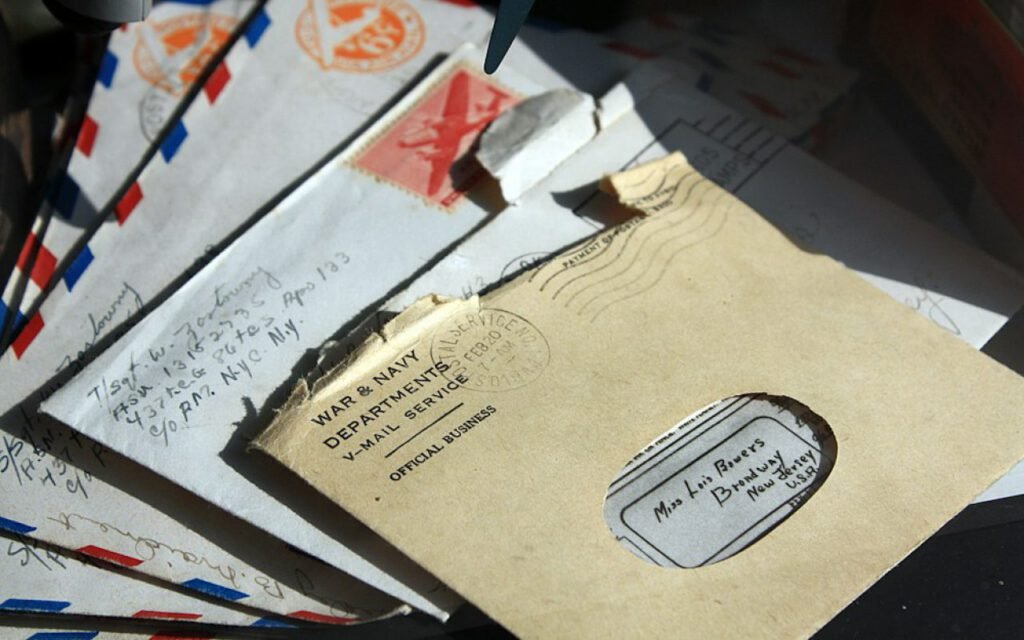

Walter Hayes
Walter taught history for 34 years and now writes about local history, genealogy and antiques.

My mother kept a box of family letters in the attic for forty years. Heat and damp nearly ruined them. When I finally climbed up there after her funeral and pulled the box out from under the eaves, the cardboard was soft and stained, the rubber bands had melted into sticky strips and some of the envelopes had fused together into a single brown brick. I sat on the attic floor in the July heat and nearly cried.
Here’s how to keep your family papers safe. I managed to save most of my mother’s letters with patience, help and a few lessons I wish I’d learned years earlier. I’m sharing them so you won’t have to learn them on an attic floor. None of this requires expensive equipment or special training. It mostly requires knowing what paper likes and doesn’t like, and making a few simple choices.
 Sponsored · Rootline DNAFind your family storyDNA kit and family-tree builder.Start now
Why paper falls apart
Paper has a handful of natural enemies, and once you know them, the rest of this advice makes sense. The big ones are heat, humidity, light, acid and pests. Heat speeds up chemical changes that make paper brittle. Humidity encourages mold and makes pages stick together. Sunlight fades ink and yellows paper. Acid, which is present in a lot of ordinary paper and cardboard, slowly eats away at fibers from the inside. And silverfish, mice and other pests will happily chew on anything left undisturbed.
Most of the paper made from the mid-1800s through much of the twentieth century was made from wood pulp, which tends to be acidic. That’s why old newspapers turn yellow and crumbly so fast. Many family letters, documents and photographs from that era are fragile for the same reason. The good news is that you can slow the damage dramatically with the right storage.
Cool, dark and dry
Store papers in a closet in the main house, not the attic or basement. This is the single most important step. Attics in most of the country get blisteringly hot in summer and cold in winter, and those swings are hard on paper. Basements are often damp, and they flood. Garages have both problems, plus fumes. The best place for family papers is usually an interior closet in the part of the house where you live, where the temperature and humidity stay fairly steady year-round.

Keep boxes off the floor, even inside the house, in case of a leak. Keep them away from exterior walls, windows, water pipes and heating vents. And keep them out of direct sunlight. If you can comfortably sit in the room, your papers are probably comfortable too.
Paper is patient, but it isn’t immortal.
Walter
Acid-free everything
Folders and boxes made for archives keep paper from yellowing. Ordinary cardboard boxes, manila folders and envelopes are often acidic themselves, and over time that acid moves into the papers they hold. Archival supplies are made to be acid-free and lignin-free, and many are buffered to help neutralize acid from the papers inside. You can buy them from archival supply companies, some craft stores and sometimes through your local historical society.
Here’s what I use for my own family papers:
- Acid-free folders. One folder per small group of related documents, labeled in pencil.
- Archival boxes. Sturdy, lidded boxes sized to hold folders upright or flat.
- Interleaving tissue. Thin acid-free paper placed between fragile pages or photographs.
- Polyester sleeves. Clear, inert sleeves for documents you’ll handle often. Avoid soft vinyl, which can damage paper over time.
- A soft pencil. Never use ink, markers or sticky notes on or near original documents.
Unfold and flatten carefully
Letters that have been folded for decades develop weak creases that can eventually tear. If a letter opens easily without cracking, store it flat. If it resists or feels brittle, leave it folded and ask a professional conservator for advice. Forcing an old, dry page open can split it right along the fold. That’s a mistake I made once, and I still regret it.
Gentle hands
How you handle old documents matters as much as how you store them. Always wash and thoroughly dry your hands before touching papers, since the oils and lotions on our skin can stain. Many archivists now prefer clean bare hands to cotton gloves, which can reduce your sense of touch and make you more likely to tear a page.
Here’s my handling routine:
- Clear a clean, dry table and keep food and drinks well away.
- Support each document fully with both hands or a folder underneath.
- Remove metal paper clips, staples and pins carefully, since they rust and stain.
- Take off old rubber bands, which dry out, stick and leave marks.
- Never use tape to mend a tear. Place the torn document in its own folder and ask a conservator about repairs.
- Work with one item at a time and return it to its folder before picking up the next.
For documents that are moldy, badly torn or fused together, please don’t try to fix them yourself. Mold can be harmful to breathe, and damaged papers are easy to make worse. A professional conservator or the staff at a state archive can advise you. That’s what I did with the worst of my mother’s letters, and a conservator named Mrs. Celeste Ambrose was able to separate pages I’d been sure were lost forever.
Make copies and share the stories
The best way to protect a document is to handle it as little as possible, and the best way to do that is to make a good copy. A flatbed scanner works well for most papers. Scan at a fairly high resolution, save the files in more than one place and give each file a clear name with the person, date and a short description. Then use the copies for everyday reading and sharing, and let the originals rest.
Copies also let you share family papers with relatives without passing fragile originals around. My sister and I each have a full set of scans of our mother’s letters, and so does our oldest niece. We’ll never lose them all at once, whatever happens to one house.
Digital files need care of their own, though. Every couple of years, I check that the scans still open and copy them onto whatever storage is current. Old discs and drives can fail quietly, and file formats change. It only takes an afternoon, and it means the copies will outlast my own computer.
Finally, write down what you know about each document while you still remember. Who wrote it? To whom? Why was it saved? Those notes, kept with the copies, may be what gives the papers meaning for your grandchildren someday.
Key takeaway: Keep papers cool, dark and dry inside your living space, store them in acid-free folders and boxes, handle them gently and make copies for everyday use.
A box worth saving
My mother’s letters now live in four gray archival boxes on a shelf in our hall closet, the coolest and darkest spot in our house. Inside them are love letters from my father, notes from my grandmother about canning tomatoes and a letter from my uncle written in France in 1944. They survived forty years of attic heat by the skin of their teeth. With a little care, they’ll easily survive another hundred. If you have a box like that tucked away somewhere, go find it this week. It’s been patient long enough.
Walter Hayes
Walter taught history for 34 years and now writes about local history, genealogy and antiques.


Start the conversation