Moving With Kids: How to Make It an Adventure
Their own box, their own job, their own first night.
 Jasmine Carter7 min read
Kids feel moves more than we expect. Grown-ups see a new kitchen, a shorter commute and a bigger yard. A seven-year-old sees her bedroom disappearing into cardboard, her best friend staying behind and a stranger’s house waiting at the other end of a long drive. After thousands of family moves, our crews have learned that the difference between a tearful week and an exciting one usually comes down to a few small rituals. None of them cost much. All of them help children feel like part of the plan instead of passengers on it.
A few small rituals make a huge difference. Here is the playbook we share with every family that books a Brightway move, from the first conversation to the first pancake breakfast in the new place.
Tell them early and tell them often
Children handle change better when they have time to get used to the idea. For most families, that means sharing the news four to six weeks before moving day, about when the real packing starts. Very young children do better with a shorter runway, since a month feels like forever when you are four. Teenagers deserve to hear it as early as you know it, because they have friendships, teams and jobs to sort out.
Keep the message simple and honest. Explain why you are moving, what will stay the same and what will change. Then invite questions, and expect the same questions again a week later. That is normal. Repetition is how kids process big news.
A few ways to make the new place feel real before you arrive:
- Look at photos of the new house together and let kids pick which bedroom they want, if there is a choice.
- Find the nearest park, library and ice cream shop on a map and plan a first visit to each.
- Drive past the new school, or take its online tour, so the building is not a mystery on day one.
- Mark moving day on a paper calendar and let your child cross off the days.

Give them a job
Let them label their boxes with drawings and choose what goes in the car with them. This is the single most effective trick we know. A child who is decorating a box with dinosaurs or rainbows is not watching their life get packed away. They are building something. And when our crew carries that box into the new house, they know exactly whose room it belongs in.
Age-appropriate jobs keep everyone busy and proud. Preschoolers can sort stuffed animals into a “come with me” pile and a “pack it” pile. School-age kids can wrap their own unbreakable things, tape boxes shut with supervision and help make an inventory list. Teenagers can take on real responsibility: packing their own rooms, researching the new neighborhood or managing the snack bag for the drive.
The “open first” box
Every child should pack one special box or backpack that rides in the family car, not the truck. Inside go the things they will want on the first night: pajamas, a toothbrush, a favorite book, a stuffed animal, a nightlight, a change of clothes and a small toy or game. If your truck arrives late, or the boxes take a day to unpack, this little bag keeps bedtime normal.
A goodbye tour
Before the last week gets busy, take a goodbye walk through your old neighborhood. Visit the playground, wave at the neighbors and take photos of the places that mattered. Some families make a small scrapbook. Others let the kids write a note to the next family who will live in their room. Saying goodbye on purpose makes it easier to say hello to something new.
Our crews always set up the kids’ beds before anything else.
Andre, Brightway crew lead
Keep moving day calm
Moving day is loud. Doors are propped open, furniture is wrapped in pads, and strangers are carrying heavy things down narrow stairs. For small children, that is both exciting and a little scary. It is also not the safest place to play.
If you can, arrange for a grandparent, neighbor or sitter to watch young kids for the busiest hours. If they need to stay, set up a “base camp” in one room that our crew empties last. Stock it with snacks, water, a tablet or coloring books, and a few toys. Older kids can be official helpers: counting boxes as they go out, checking that closets are empty or keeping the dog calm.
Try to keep meals and naps close to the usual schedule. A hungry, overtired child and a long day of packing do not mix. Pack a cooler with sandwiches, fruit and drinks so nobody has to hunt for lunch while the kitchen is already in boxes.
Key takeaway: Kids follow your lead. If you treat the day as a big team adventure rather than a stressful chore, they usually will too.
Set up their room first
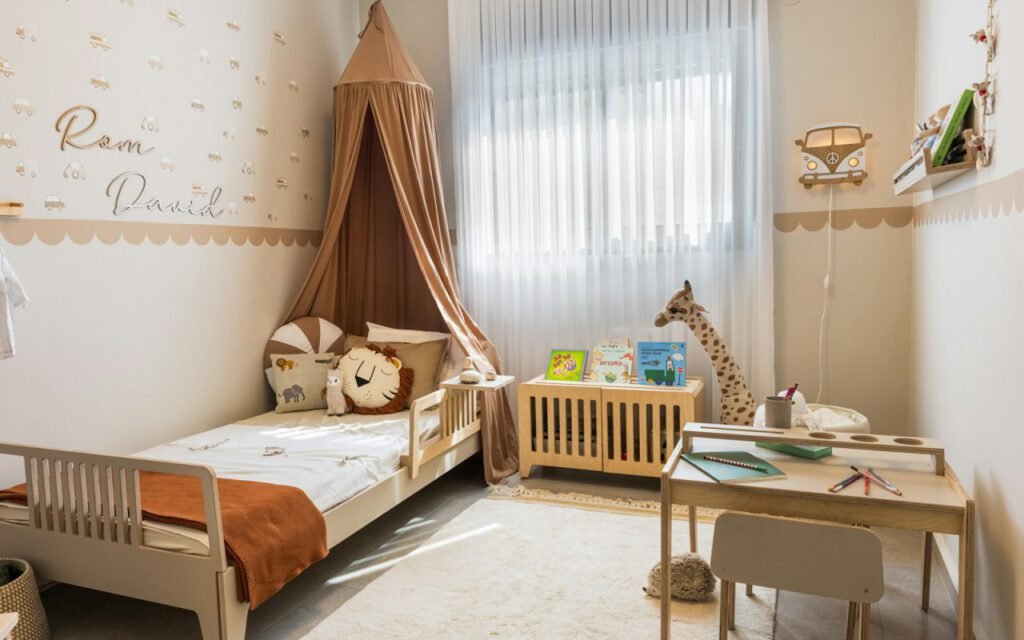
A familiar bed and nightlight on night one makes the new house feel like home. That is why we unload and assemble children’s furniture before the couch, the dining table or the boxes of kitchen gear. Grown-ups can sleep on a mattress on the floor for a night. A six-year-old in a strange room with no bed is a recipe for a very long evening.
Try to arrange the new room in a similar way to the old one, at least at first. If the bed was against the left wall with the dresser across from it, put it there again. Hang a few of the same pictures and put the same blanket on the bed. Kids can redecorate in a few weeks once the room feels like theirs. On night one, familiar is better than perfect.
Then plan a little celebration. Order pizza and eat it picnic-style on the living room floor. Let the kids pick the first thing to hang on the wall. Take a family photo on the front steps. These small moments become the first memories of the new home, and they tend to be the ones children talk about years later.
The first few weeks
The adjustment does not end when the truck pulls away. Expect a few weeks of extra clinginess, trouble sleeping or bursts of frustration. These are common and usually fade as routines settle in. If big worries hang on for more than a month or two, your pediatrician or the school counselor is a good person to talk to.
Here are a few habits that help kids settle in faster:
- Restart regular routines right away, including bedtime, mealtimes and weekend traditions.
- Explore one new neighborhood spot each weekend together.
- Sign up for one activity, like a library story time, a sports team or a scout group, to meet other kids.
- Schedule a video call with old friends in the first week so goodbyes do not feel final.
- Walk the route to school a few times before the first day.
Be patient with yourself too. Parents are often running on fumes after a move, and kids pick up on that. It is fine to leave boxes in the garage for a month if it means you can spend Saturday morning at the park.
A move they will remember well
Moving with kids will never be effortless, but it can be a story your family tells with a smile. Give children a voice early, a job to do, a bag of comforts and a bed waiting for them on the first night. Our crews are glad to help with the rest, from packing the kitchen to hanging the bunk bed ladder before we leave. When you book, just tell us how many little movers are coming along, and we will plan the day around them.

Jasmine Carter
Jasmine started Brightway after one very bad move of her own.






2 Comments
Sharing this with my friends.
Saved this one for later. Really useful.