


 IndieHow Two Friends Made Hollow Pines in a Garage Over Five YearsSavings, a borrowed laptop and 4,000 hand-drawn frames: the story behind the year’s best mystery.
Indie Rafael Ortega6 min read
Game Jams Are Where the Next Big Hits Start
Three of this year’s best indie games began as 48-hour jam prototypes.
Rafael Ortega6 min read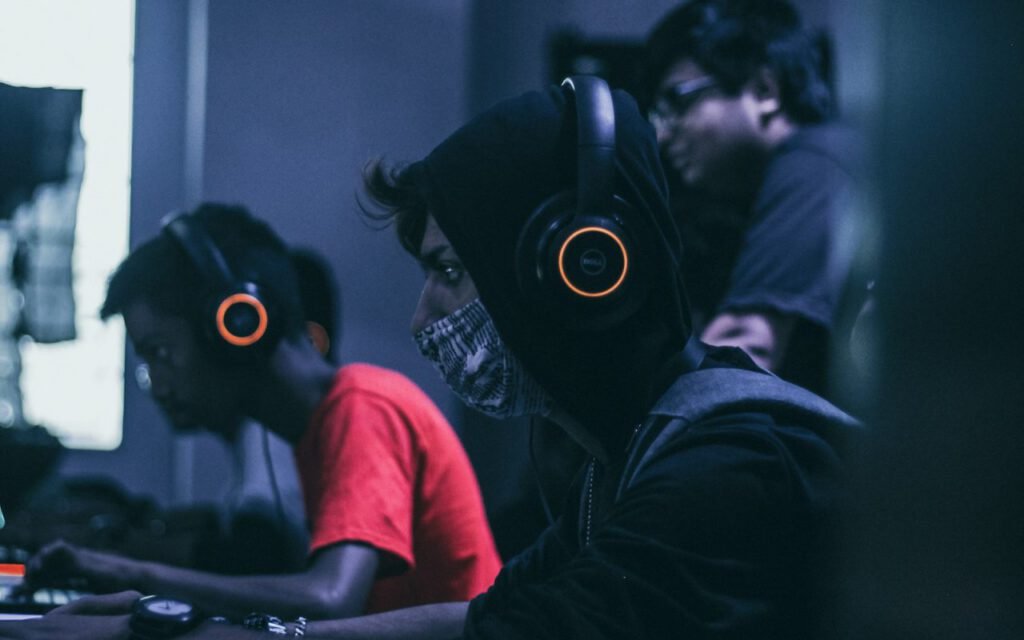

Written by
Rafael Ortega
Rafael plays forty indie games a month so you only have to play the best five.
7Articles
2026Writing since
Every big indie success story seems to start the same way: a weekend, a theme and a team of strangers. Three of this year’s best-reviewed indie games began as 48-hour game jam prototypes, built in a rush of coffee, cold pizza and late-night bug fixing. They were rough, unfinished and in one case barely playable, but they contained an idea strong enough to survive the weekend. Months or years later, those prototypes became polished games that thousands of players now love.
Game jams have been part of independent development for decades, but they have never been more important than they are today. We talked with organizers, developers and first-time jammers about why these short, intense events produce so many great ideas, and how you can take part in one yourself.
What a game jam is
A game jam is an event where people try to make a game from scratch in a short, fixed amount of time, usually 48 or 72 hours. At the start, organizers reveal a theme, such as “it’s not over yet” or “only one,” and participants have until the deadline to build something that fits it. Some jams happen in person, in college classrooms, community centers or studio offices. Many more happen online, with thousands of people around the world working at the same time.
Participants can work alone or in small teams. Teams often form on the first night, as programmers, artists, musicians and writers meet and pitch ideas. At the end, everyone shares their games, plays each other’s work and offers feedback. Some jams include voting or judging, but most participants say the prizes are not the point.

Small and fast
Jams force teams to cut every idea that isn’t essential. With only 48 hours, there is no room for complex systems, long stories or detailed art. Teams must find the one mechanic that makes their game interesting and build everything around it. That pressure produces focus, and focus often produces surprising creativity.
A jam is permission to make something bad quickly. That’s how you find something good.
Rafael Ortega, Respawn indie editor
Ortega, who has judged several regional jams, said the best jam games usually do one thing very well. “You can tell in about thirty seconds whether a jam game has a real idea,” he said. “The ones that turn into full games almost always had that idea on the first night. Everything after that is polish.”
One of this year’s standout indie hits, a rhythm game about lighting lanterns in time with music, began at an online jam with the theme “follow the beat.” The developers, two friends from Sacramento, said their jam version had only one level and no menu. “It was ugly,” one of them told us. “But people kept playing it again and again. That told us everything.”
Why jams produce great ideas
Developers and organizers pointed to several reasons game jams are so effective at generating new ideas:
- Low stakes. Because everyone knows jam games are rough, participants feel free to try strange ideas that they would never risk on a long project.
- Fixed constraints. A theme and a deadline narrow the possibilities, which makes it easier to make decisions quickly.
- Fast feedback. Other jammers play your game within hours of the deadline, giving immediate reactions to what works and what does not.
- Fresh collaborators. Working with new people introduces new skills, tastes and perspectives.
- A finished product. Even a tiny game is complete, which teaches skills that many developers never practice on endless personal projects.
Themes play a bigger role than many newcomers expect. A good theme is open enough to allow many interpretations but specific enough to spark ideas. Organizers say the most memorable entries often take a theme in an unexpected direction. Given the theme “only one,” one team made a game where you have a single bullet, another made a dating game with one possible match, and a third built a puzzle game in which you can only press one key.
That last point matters more than many people realize. Finishing is a skill. Jams train participants to scope a project, cut features and ship something on time, all habits that help on longer projects later.

Community
Many lasting studios formed during a jam weekend. Teams that work well together under pressure often discover they share the same sense of humor, taste and work ethic. Several small studios we spoke with began as jam teams that simply kept meeting after the weekend ended.
Nina Cho, co-founder of Two Owls Games in Minneapolis, met her business partner at a local jam six years ago. “We were randomly put on a team because we were the last two people without one,” she said. “By Sunday night we were finishing each other’s sentences. We’ve been making games together ever since.”
Jams also build connections beyond individual teams. Regular participants often form local communities that meet throughout the year for playtests, workshops and social events. For people interested in game development, those networks can lead to jobs, collaborations and friendships.
Organizers increasingly focus on making jams welcoming to beginners. Many offer beginner-friendly tracks, mentors and pre-jam workshops on free tools. Some jams are designed specifically for students, parents and kids, or people from groups that are underrepresented in the games industry.
How to join your first jam
If you have ever wanted to try making a game, a jam is one of the best ways to start. Here are some tips from experienced jammers:
- Pick a beginner-friendly jam. Look for events that welcome first-timers and offer longer deadlines, such as a week instead of a weekend.
- Learn one tool before you start. Spend a few evenings with a free game engine or a simple drawing program so you are not learning everything at once.
- Start smaller than you think. Whatever you plan, cut it in half. Then cut it again.
- Get something playable early. Aim to have a rough version working by the end of the first day.
- Sleep and eat. Exhausted developers make more mistakes. Take breaks, drink water and get some rest.
- Play other people’s games. Feedback and encouragement go both ways, and you will learn as much from playing as from making.
Key takeaway: you do not need to be a programmer to join a jam. Artists, writers, musicians and even organized note-takers are welcome on most teams.
From prototype to hit
Turning a jam game into a full release is a very different kind of work. Developers who made the leap told us the first step was usually rebuilding the game from scratch, because code written in 48 hours is rarely sturdy enough to last. The core idea stays, but almost everything around it changes. Many teams also share early builds with the same jam community that first played their prototype, using that feedback to decide what to keep.
Not every jam game should become a full release, and most never do. That is part of the point. Jams are a place to experiment, fail and learn. But when a jam prototype grabs people’s attention, it can become the foundation for something much bigger, as this year’s indie hits prove.
If you want to follow the next generation of jam games, keep an eye on our indie spotlight, where we regularly feature promising prototypes and the teams behind them. And if you have been thinking about making a game, find a jam, pick a weekend and give yourself permission to make something bad quickly. You might just find something good.
Written by
Rafael Ortega
Rafael plays forty indie games a month so you only have to play the best five.
7Articles
2026Writing since
Read next
IndieHow Two Friends Made Hollow Pines in a Garage Over Five YearsSavings, a borrowed laptop and 4,000 hand-drawn frames: the story behind the year’s best mystery. IndieTen Indie Games You Probably Missed This YearPuzzle boxes, tiny city builders and a cooking game about grief — the hidden gems of…
 IndieThe Pixel Art Revival: Why Developers Keep Going Back to Small SpritesIt is cheaper, faster and — artists say — more expressive than you would think.
 IndieGarden Guild Review: The Most Relaxing Game of the YearBuild a village garden, trade seeds with friends and forget about your inbox.
2 Comments
Sharing this with my friends.
Saved this one for later. Really useful.