

 FoodThe Farmers Market Is Moving Indoors for Winter — and Staying Open WeeklyForty vendors will set up in the old train depot every Saturday from November to April.
Food Owen Marsh6 min read
Cooking With Grandparents: Recipes Worth Passing Down
How to turn family recipes into a weekend tradition.
Owen Marsh6 min read

Written by
Owen Marsh
Owen writes long features and the monthly book column.
6Articles
2026Writing since
Family recipes carry stories. Cooking them together is one of the best ways to pass both down. Somewhere in your family there is a dish that tastes like a particular kitchen: a pot of chili that only appears on the first cold Sunday, a batch of cinnamon rolls that means a holiday morning, a soup that showed up whenever someone was sick. Those recipes often live only in a grandparent’s memory and hands, measured by feel and adjusted by taste. Spending a few weekend mornings cooking them together, with kids helping, is a way to keep the food and the stories alive, and it tends to become a tradition everyone looks forward to.
Why it matters more than the food
When grandparents cook with grandchildren, something more than a recipe gets handed over. Kids hear about where the family came from, what life was like before they were born and why a certain dish always appears at a certain time of year. Grandparents get a chance to teach, to be listened to and to see their traditions taken up by the next generation.
Advertisement Sponsored · Fernhill BooksIndependent since 1974Free shipping on orders over $35.Shop books
Sponsored · Fernhill BooksIndependent since 1974Free shipping on orders over $35.Shop booksCooking together also builds real skills. Measuring flour teaches fractions, cracking eggs builds fine motor control and following steps in order is practice for reading and planning. Many families find that a child who will not touch a vegetable at dinner will happily eat the one they chopped with Grandpa.
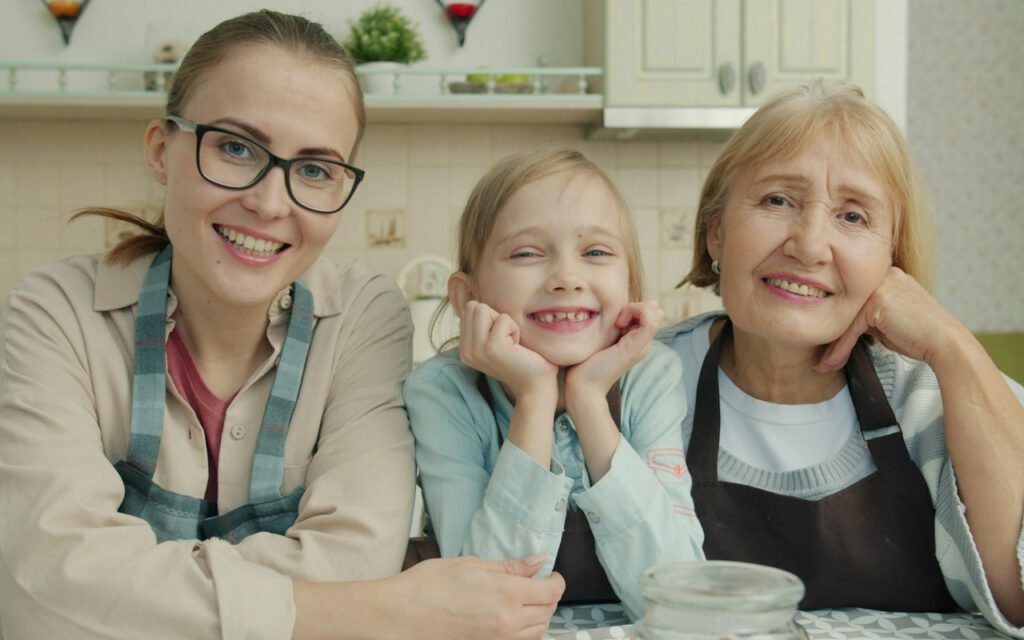
Write it down
Ask grandparents to cook while kids write the recipe and take photos. This simple setup solves the biggest problem with family recipes, which is that they are rarely written down in a way anyone else can follow. “A handful of this” and “cook it until it looks right” make perfect sense to the person who has made a dish a thousand times. They are much harder for anyone else.
Give your child a notebook and a pencil, and make them the official recorder. Before anything goes into the bowl, they can ask Grandma to pause so they can measure it. A handful of flour might turn out to be about half a cup. A splash of vanilla might be a teaspoon. Have them note oven temperatures, pan sizes and how long each step really takes.
Every family recipe has a story. Write that down too.
Leah Morgan, registered dietitian
Leah Morgan suggests adding a few questions to the notebook for the recorder to ask along the way. Who taught you to make this? When did our family eat it? What did you change over the years, and why? The answers often turn out to be the most precious part of the whole project.
Questions to ask while you cook
- Where did this recipe come from, and who made it first?
- What holiday or event do you connect with this dish?
- What did your kitchen look like when you were my age?
- Is there a mistake you made once that we should avoid?
- What is the secret that makes it taste like yours?
A recipe to start with
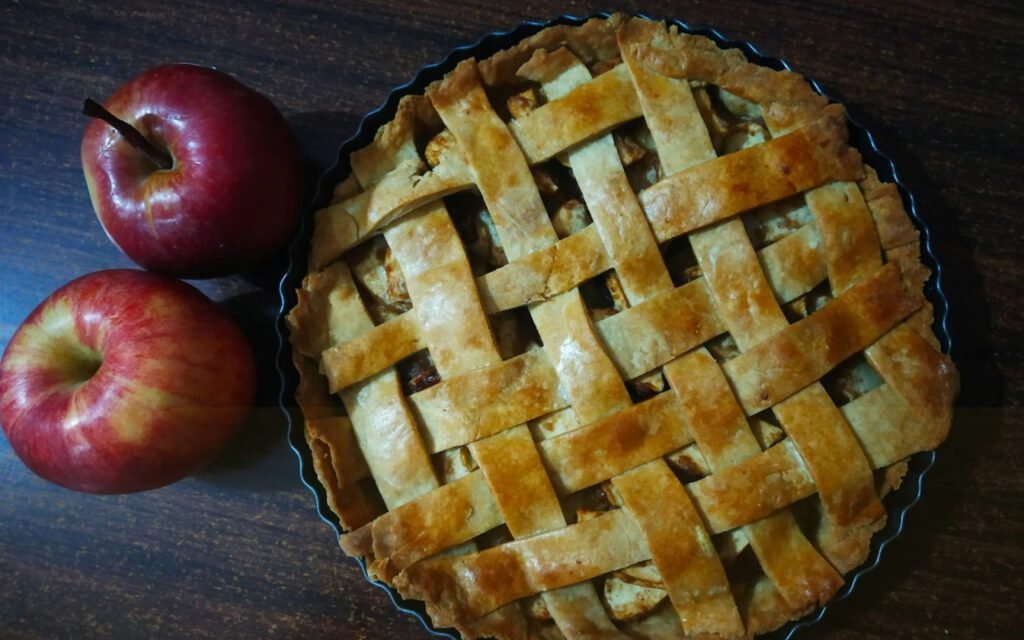
If your family does not have an obvious dish to begin with, a simple one like this apple crisp is a great first project. It is forgiving, kid-friendly and full of jobs for small hands. Ask your grandparent how they would change it, and write their version in the margins.
Grandma’s apple crisp
Ingredients:
AdvertisementSponsored · Fernhill BooksIndependent since 1974Free shipping on orders over $35.Shop books
Sponsored · Fernhill BooksIndependent since 1974Free shipping on orders over $35.Shop books- 6 medium apples, peeled and sliced
- 1 tablespoon lemon juice
- 1/2 cup brown sugar, divided
- 1 teaspoon ground cinnamon
- 3/4 cup old-fashioned rolled oats
- 1/2 cup all-purpose flour
- 6 tablespoons cold butter, cut into cubes
- A pinch of salt
Steps:
- Heat the oven to 350°F and butter an 8-inch square baking dish.
- Toss the apples with lemon juice, 2 tablespoons of the brown sugar and the cinnamon, then spread them in the dish. Kids can do the tossing with clean hands.
- In a bowl, mix the oats, flour, remaining brown sugar and salt.
- Rub in the cold butter with fingertips until the mixture looks like coarse crumbs. This is the favorite job for most kids.
- Scatter the topping over the apples and bake for 40 to 45 minutes, until the top is golden and the fruit is bubbling.
- Let it cool for at least 15 minutes before serving.
Adults should handle the peeling, slicing and anything involving the oven, while younger children measure, stir and sprinkle. Older kids can take on more as their skills grow.
Make a family cookbook
Collect the recipes in a binder and add a new one each holiday. Over a year or two, those notebook pages turn into something remarkable: a book of your family’s food, written in your child’s handwriting, with photos of the grandparents who taught them.
A simple three-ring binder with sheet protectors works well, because it is easy to add pages and the plastic survives kitchen spills. Give each recipe a page for the ingredients and steps and a facing page for the story and a photo of the cook. Kids can decorate the cover and add drawings. If your family prefers something more polished, you can type the recipes later and print a small book online, but many families find the handwritten version more meaningful.
Key takeaway: The goal is not a perfect cookbook. It is a record of time spent together, with enough detail that someone can make the dish again in twenty years.
Keep the kitchen safe and fun
A kitchen full of excited grandchildren can get busy fast, so a little planning keeps the morning relaxed. Before you start, set out every ingredient and tool on the counter, and give each child a clear job. A sturdy step stool brings small cooks up to counter height, and an apron or old T-shirt saves their clothes.
Talk through a few ground rules at the start. Hands get washed before cooking and after touching raw eggs or meat. Knives and the stove belong to grown-ups unless a child is old enough and has been shown how to use them safely. Pot handles turn inward, away from the edge of the stove. If anyone in the family has a food allergy, check every ingredient label together, which is also good reading practice.
Finally, plan for mess and slow progress. Cooking with kids takes about twice as long as cooking alone, and that is fine. The flour on the floor is part of the memory.
When grandparents live far away
Not every family lives close enough for weekend cooking. Video calls work surprisingly well. Set up a phone or tablet on the counter, send the ingredient list ahead of time and cook the same dish in two kitchens at once. Grandparents can watch the batter and offer advice, and everyone sits down to eat the same thing in different places.
You can also ask grandparents to record a short video or voice memo explaining a recipe, or to mail a handwritten card. Even a few lines in a familiar script can become a family treasure.
Quick tips
- Record the stories behind each dish
- Cook one family recipe a month
- Share copies with cousins
Start small. Pick one dish, one morning and one notebook. Let the kids ask questions, let the grandparents tell their stories and do not worry if the first batch looks nothing like the original. The tradition is in the cooking together, and the recipe will get better every time you make it.
This article is general information, not medical advice. Talk to your own doctor or midwife about your family.
Written by
Owen Marsh
Owen writes long features and the monthly book column.
6Articles
2026Writing since
Read next
FoodThe Farmers Market Is Moving Indoors for Winter — and Staying Open WeeklyForty vendors will set up in the old train depot every Saturday from November to April. FoodFive Weeknight Dinners That Take 30 Minutes or LessSheet-pan chicken, a 15-minute pasta and three more recipes from our test kitchen.
 FoodLocal Coffee Roasters Brace for Higher Bean Prices This WinterWholesale prices are up 30 percent this year. Small cafés say a $6 latte may be…
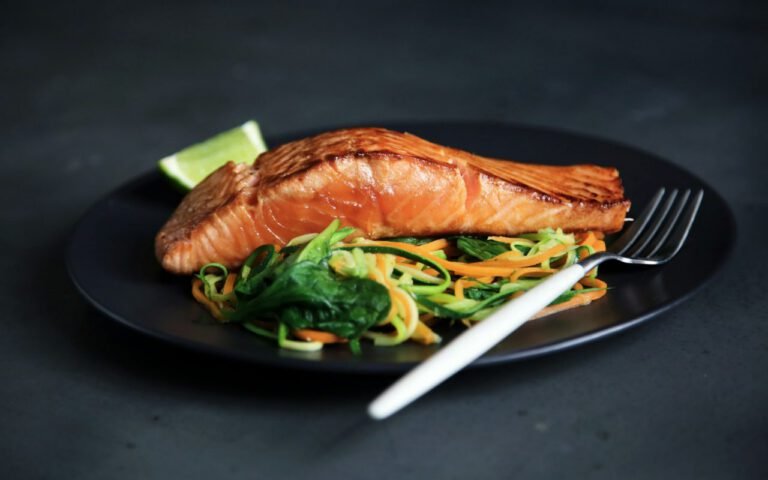 Food20-Minute Garlic Butter SalmonCrisp skin, a buttery pan sauce and dinner on the table before the rice is done.
2 Comments
Sharing this with my friends.
Saved this one for later. Really useful.