


 City Guides48 Hours in New Orleans: Music, Beignets and Quiet CourtyardsThe French Quarter early, the Marigny at night and a streetcar ride to the Garden District.
City Guides Grace Lin6 min read
Charleston’s Best Weekend: Rainbow Row, Lowcountry Food and the Beach
Cobblestones in the morning, she-crab soup at lunch and a sunset on Sullivan’s Island.
Grace Lin6 min read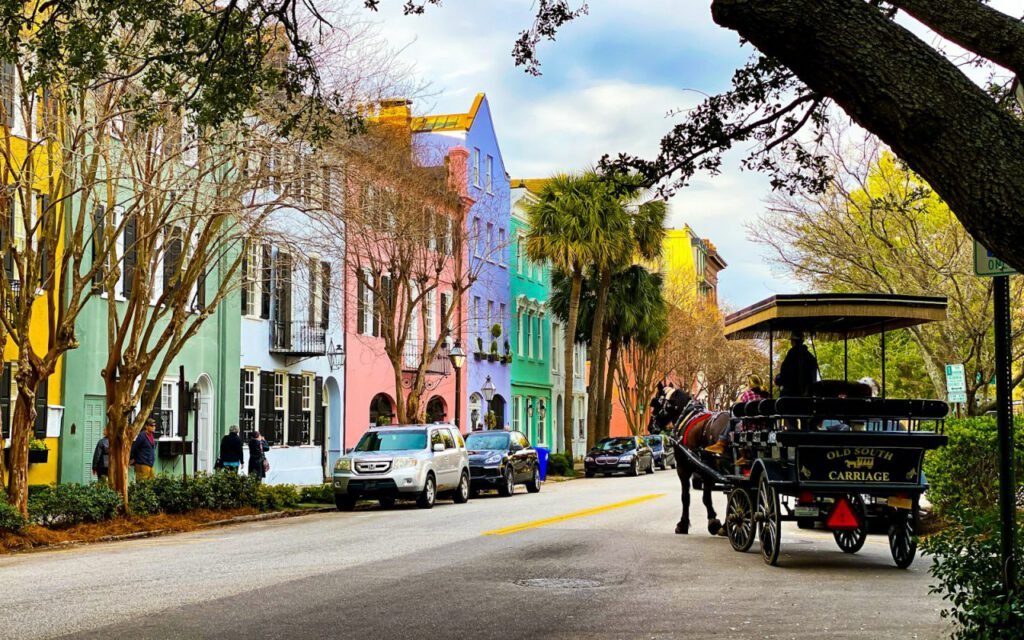

Written by
Grace Lin
Grace writes long-weekend guides for walkers, eaters and anyone who prefers a side street to a tour bus.
9Articles
2026Writing since
Charleston packs three centuries of history into a walkable peninsula — and some of the best food in the South into its side streets. In two days you can walk the cobblestones of the old town at sunrise, eat she-crab soup and shrimp and grits for lunch, wander through pastel houses and hidden gardens in the afternoon and still make it to Sullivan’s Island in time for a sunset on the beach. We have visited Charleston in every season, and this is the weekend plan we give friends who ask where to start.
Best time: April to May, or October to November. Stay: two days. Budget: on the higher side.
Advertisement Sponsored · Skyward Rewards Card60,000 bonus milesAfter $3,000 spent in the first 3 months.Apply now
Sponsored · Skyward Rewards Card60,000 bonus milesAfter $3,000 spent in the first 3 months.Apply nowWhen to go
Charleston’s best months are spring and fall. In April and May, the gardens are in full bloom, the jasmine scents the streets and temperatures are warm without being heavy. October and November bring cooler, drier air and fewer crowds once summer travelers head home. Summer is hot and humid, with afternoon thunderstorms most days, and the peak of hurricane season runs from August through October, so keep plans flexible and check the forecast.
Weekends are busy year-round, especially with weddings and events. If you can, arrive on a Thursday and stay through Saturday, when hotel rates are often lower and dinner reservations easier to find.
The historic district
Rainbow Row, the Battery and the old cobblestone alleys are all within a 20-minute walk. That is the beauty of Charleston. You can leave the car at the hotel for the entire stay and explore everything on foot.
A morning walk
Start early, around sunrise, when the streets are quiet and the light is soft. Here is the route we love:
AdvertisementSponsored · Skyward Rewards Card60,000 bonus milesAfter $3,000 spent in the first 3 months.Apply now
Sponsored · Skyward Rewards Card60,000 bonus milesAfter $3,000 spent in the first 3 months.Apply now- Rainbow Row on East Bay Street, a stretch of 13 brightly painted houses facing the harbor. Go at sunrise for empty sidewalks and warm light on the pastel walls.
- Waterfront Park, with its famous pineapple fountain and long rows of swinging benches facing the water.
- The Battery, a seawall promenade at the tip of the peninsula, lined with grand antebellum homes and shaded by old oaks.
- The cobblestone alleys near Chalmers Street and Philadelphia Alley, where the old city feels closest.
- The City Market, a long covered market where local artisans weave sweetgrass baskets by hand.

Hidden gardens and churches
Charleston is sometimes called the Holy City for the many church steeples that rise above its skyline. Several old churches and their graveyards are open to visitors, and their quiet courtyards are lovely places to rest. Keep an eye out for open gates along the side streets too. Many private homes have walled gardens, and in spring several are opened to the public for garden tours.
Walk or bike everywhere downtown — parking is tight and the distances are short.
Local guide Mae Holloway
Mae suggested we rent bikes on the second morning, and it was the right call. Bike rentals are easy to find downtown, and riding along the Battery with the harbor breeze is one of the most pleasant ways to see the city.
Lowcountry food
Shrimp and grits, she-crab soup and Carolina Gold rice. Book dinner reservations two weeks ahead. Charleston has become one of the great food cities in America, and the best tables fill up quickly, especially on Friday and Saturday nights.
Lowcountry cooking grew up along the coastal marshes of South Carolina and Georgia, shaped by West African, European and Caribbean traditions. It leans heavily on local seafood, rice and slow-cooked vegetables. Here are the dishes we would not leave without trying:
- She-crab soup, a rich, creamy bisque made with crab meat and a splash of sherry.
- Shrimp and grits, often with a smoky gravy and a bit of sausage or bacon.
- Carolina Gold rice, an heirloom grain once grown across the region and now making a comeback.
- Fried green tomatoes, crisp outside and tangy inside.
- Benne wafers, thin sesame cookies that make a perfect take-home gift.

For a more casual meal, look for a seafood shack over on the islands or a bakery on the upper peninsula. Lunch is often the best value at the high-end restaurants, with smaller menus at much lower prices than dinner.
Key takeaway: make your one big dinner reservation before you book anything else. The rest of the weekend can be planned around it.
Where to stay
Stay on the peninsula, south of Calhoun Street if your budget allows. This is the oldest part of the city, and staying here means you can walk to Rainbow Row, the Battery, the market and most of the best restaurants in minutes. The area is full of boutique hotels in restored warehouses and grand old homes, many with rooftop terraces or garden courtyards. Prices are high on spring and fall weekends, so book early and compare midweek rates.
For a more affordable stay, look a little north, in the neighborhoods around upper King Street. You will find newer hotels, vacation rentals and some of the city’s most exciting restaurants, with downtown still an easy bike ride or a short trolley trip away. Wherever you stay, check the parking fees before you book. Many downtown hotels charge a nightly rate for valet parking, which can add a surprising amount to the bill. If you plan to walk and bike all weekend, consider skipping the rental car entirely and taking a rideshare from the airport, which is only about 20 minutes away.
A quick day plan
On day one, walk the historic district in the morning, eat a long Lowcountry lunch and spend the afternoon on a carriage ride or a garden tour, with dinner at your reserved table. On day two, rent bikes, ride the Battery and the side streets, browse the shops on King Street and then drive or ride out to the beach for the evening. It is a full but relaxed weekend with no rushing between places.
The beach
Sullivan’s Island is 20 minutes away and quieter than Folly Beach. It is a small, residential island with a wide, gentle beach, a historic fort and a short main street of casual restaurants. There are no high-rise hotels and only a few shops, which keeps it calm even on busy weekends.
Plan to arrive in the late afternoon. Walk the beach, explore the old fort at the southern tip of the island, then grab a table at one of the restaurants on the main street for fish tacos or a burger. Afterward, head back to the sand for sunset, when the light spreads across the harbor and the city skyline glows in the distance.

Don’t miss
If you only have two days, make sure your list includes Rainbow Row at sunrise, a carriage ride through the old town, a bowl of she-crab soup and sunset on Sullivan’s Island. The carriage rides are more than a tourist cliche. The guides are licensed by the city and know the stories behind nearly every house, and the slow pace is a lovely way to see neighborhoods you might miss on foot.
Charleston is a city that rewards slowing down. Walk its streets early, eat well, ride a bike along the water and spend an evening on the beach. Two days is enough to fall in love with it, and nowhere near enough to see everything. That is exactly why so many visitors come back.
Written by
Grace Lin
Grace writes long-weekend guides for walkers, eaters and anyone who prefers a side street to a tour bus.
9Articles
2026Writing since
Read next
City Guides48 Hours in New Orleans: Music, Beignets and Quiet CourtyardsThe French Quarter early, the Marigny at night and a streetcar ride to the Garden District. City GuidesSanta Fe for Art Lovers: Galleries, Adobe and Green ChileCanyon Road, a world-class folk art museum and the best green chile cheeseburger in town.
 City GuidesSavannah in Spring: Squares, Oaks and Southern FoodWalk all 22 squares, eat family-style and take a day trip to Tybee Island.
 City GuidesSan Francisco on Foot: Five Neighborhoods in Three DaysFrom the Golden Gate to Chinatown, with hills you will feel and views that are worth…
 City GuidesNew York City on a Budget: Free Views, Cheap Eats and WalksA full weekend in Manhattan and Brooklyn for less than the price of one Broadway ticket.
Start the conversation