 Priya Nair6 min read
The right size depends on how much you use, not how big your roof is. That is the first thing we tell every San Diego homeowner who asks how many panels they need, and it surprises a lot of people. A big roof does not mean you need a big system, and a modest roof can often cover more of your bill than you would think. The number that matters is printed on the electric bills sitting in your kitchen drawer.
Here is the quick math we start with. It is the same back-of-the-envelope estimate our design team uses before they ever look at satellite images or measure a rafter. It will not replace a full design, but it will give you a solid ballpark and help you ask better questions when you start getting quotes.
Find your yearly use
Add up a year of kilowatt-hours from your bills. Most homes here use 6,000 to 9,000. A kilowatt-hour, or kWh, is simply the unit your utility uses to measure the electricity you use. It appears on every bill, usually near the top of the usage section, along with a small bar chart showing each month.
Why a full year? Because usage in San Diego swings with the seasons. Inland homes in places like El Cajon or Escondido run their air conditioning hard from July through September, while homes near the coast may barely use it at all. Some months might show 400 kWh and others 1,000. A single bill can be misleading, so we always look at twelve months together.

Where to find the numbers
If you do not have paper bills, log in to your utility account online. Most utilities offer a usage page where you can see or download a year of history in one place. Some even show hourly usage, which becomes very useful later if you are thinking about adding a battery. If you have lived in the home for less than a year, we can estimate from the months you have and adjust for the seasons.
- Look for the total kWh used for each month, not the dollar amount
- Add all twelve months together for your yearly total
- Note which months are highest so you know when your home works hardest
- Write down any big changes coming, like a new baby, a pool pump or a home office
Plan for the life ahead
Your past bills tell us what you used. They do not tell us what you will use. That gap is where many homeowners end up with a system that feels too small a few years later.
Size for your life five years from now — EVs and heat pumps change everything.
Priya
Priya, who leads our design team, asks every family the same set of questions before finalizing a system. Are you planning to buy an electric car? Are you thinking about replacing a gas furnace or water heater with an electric heat pump? Will someone start working from home? Is a pool or hot tub in your future? Each of these can add hundreds or even thousands of kWh a year.
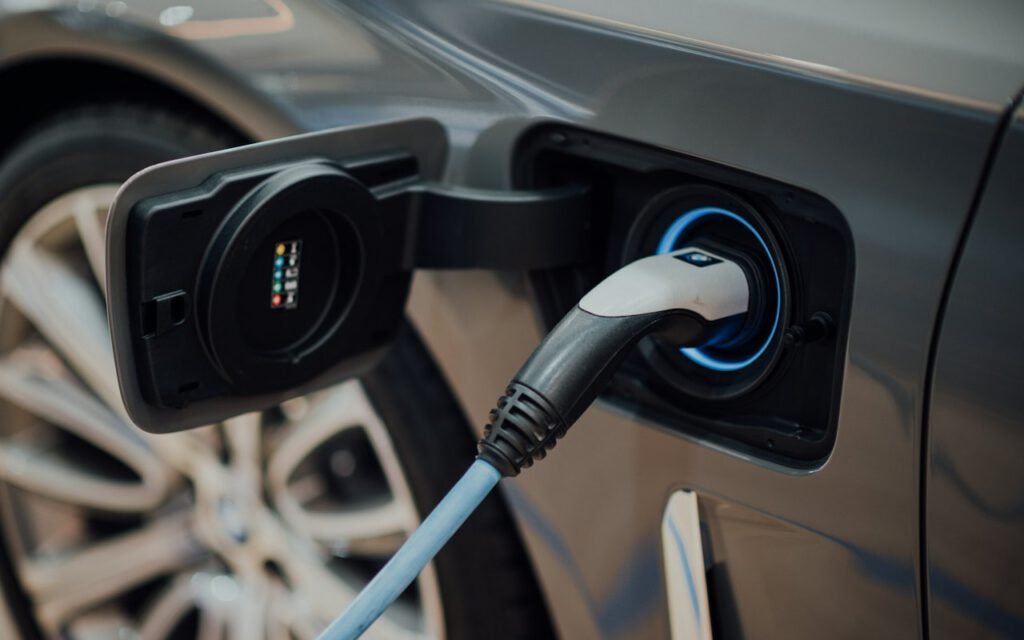
An electric car is the biggest one for most families. Depending on how far you drive, charging at home can add a substantial chunk to your yearly use. A heat pump water heater or a heat pump for heating and cooling also shifts energy from your gas bill to your electric bill. These are often smart upgrades, but they change the size of the solar system you need.
Divide by the sun
A typical panel here makes about 500 kWh a year, so 7,000 kWh needs around 14 panels. That is the heart of the quick math. Take your yearly use, divide it by what one panel makes in a year and you have a rough panel count.
San Diego is one of the best places in the country for solar. We get plenty of sunny days, mild temperatures that help panels work efficiently and relatively little snow, which is to say none. That is why a single modern panel here can produce so much over a year. Exact production depends on the panel model, the direction your roof faces, its tilt and any shade from trees or nearby buildings.
A quick example
- Your twelve bills add up to 7,000 kWh for the year
- You plan to buy an electric car in the next two years, so you add an estimate for charging
- You divide the new total by about 500 kWh per panel
- You round up to a whole number of panels that fit on your roof
Without the car, 7,000 kWh divided by 500 gives you 14 panels. With the car, the count grows, and that is exactly the conversation we want to have before the system goes up rather than after.
Key takeaway: yearly kWh divided by about 500 gives a rough panel count for a San Diego home. Then adjust for the changes coming in the next five years.
What the roof adds to the math
Once we know how many panels you need, we look at where they can go. South-facing roofs usually produce the most, but west-facing panels also do well here, and they make more power in the late afternoon when many households use the most. East-facing roofs work, too, though they produce a bit less overall. North-facing slopes are generally the weakest choice.
Shade matters more than most people expect. A single tall tree or a neighbor’s second story can cut production from part of the array for hours every day. Our designers use shading tools and an on-site visit to map exactly where the sun falls through the year. Sometimes that means moving panels to a different slope or using equipment that limits the effect of shade on the rest of the system.
We also consider the age and condition of your roof. If the roof will need replacement in the next few years, it is usually better to do that first, since removing and reinstalling panels later adds cost. Local rules about setbacks from the ridge and edges, which give firefighters room to work, also limit how much of the roof can be covered.
Can you go smaller on purpose?
Absolutely. Some homeowners choose to cover most of their usage rather than all of it, either to fit a budget or because the roof only has room for a certain number of panels. Even a system that covers half or two-thirds of your yearly use can make a real dent in your bills. The goal is a system that fits your home, your budget and your plans, not the biggest number we can squeeze onto the roof.
From the estimate to a real design
The quick math is a starting point, not a final answer. A full design takes your actual usage, your roof measurements, shading, local utility rules and your plans for the future into account. It also looks at how your utility credits solar, since the rules for sending extra power back to the grid affect whether it makes sense to size the system to cover all of your usage or a little less.
If you want to try the math yourself, grab a year of bills, add up the kWh and divide by 500. Then call us. Priya or someone on her team will take your number, look at your roof and help you size a system for the house you live in now and the life you are planning next.

Priya Nair
Priya has designed solar systems in San Diego since 2011.


Priya Nair
Priya has designed solar systems in San Diego since 2011.


2 Comments
Thanks for explaining this so clearly.
Great reporting — please keep following this story.