Water-Wise Landscaping That Still Looks Lush
Native plants, drip lines and smart controllers.
 Erin Walsh6 min read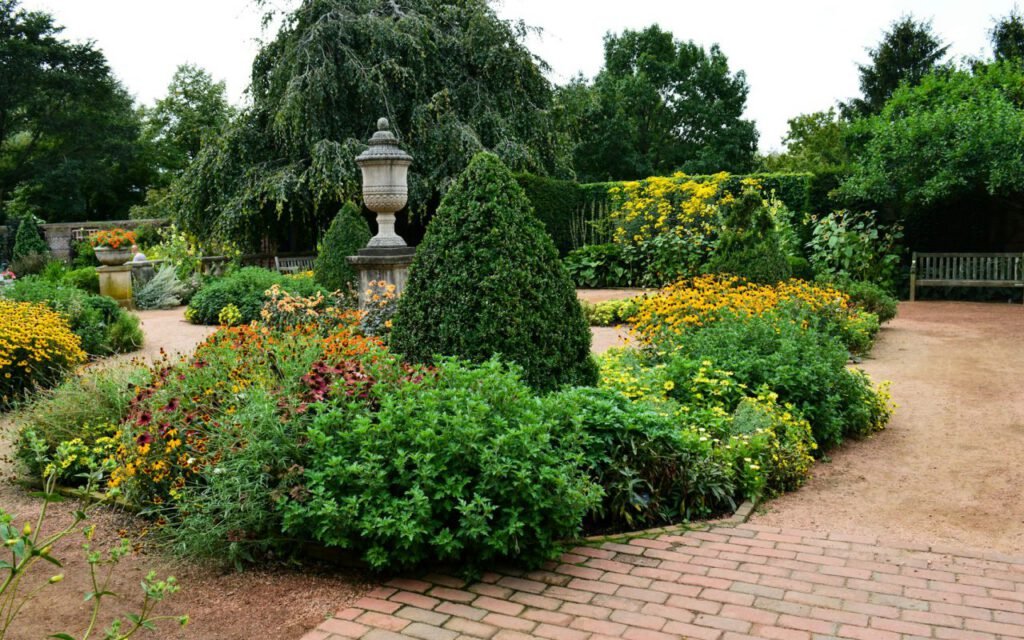

Erin Walsh
Erin designs water-wise gardens for Texas yards.



Watering restrictions do not have to mean a brown yard. Every summer we get calls from Austin homeowners who are tired of watching a thirsty lawn fade while the water bill climbs, and every summer we show them the same thing: a landscape designed around the Texas climate can stay green, full and colorful through the hottest stretch of the year while using a fraction of the water.
Our favorite designs use 40% less water and look better in July. That figure comes from comparing irrigation records on our own projects before and after a redesign, and it is not the result of fancy technology alone. It comes from three simple ideas working together: plants that belong here, water that goes where roots can use it and a layout that keeps moisture in the ground instead of letting it run off.
Start with the hottest week
Most landscapes are planned in spring, when everything looks good and the weather is pleasant. The trouble is that spring is not when a yard is tested. In Central Texas, the real exam comes in late July and August, when afternoon highs sit above 100 degrees, rain disappears for weeks and the soil cracks open.
Design for the hottest week of the year and the rest takes care of itself.
Erin, Greenline lead designer
When Erin sketches a new garden, she starts by asking which parts of the yard bake in afternoon sun, which corners stay shaded and where water naturally collects after a storm. Those answers decide where the lawn goes, where beds go and which plants fill them. A layout that respects sun and shade needs far less help from the hose.
Shrink the lawn, not the green
Turf grass is the thirstiest part of most yards. We rarely recommend removing it completely, because a patch of lawn is great for kids, dogs and a picnic blanket. Instead, we keep the lawn where people actually use it and replace hard-to-water strips, steep slopes and shady corners with planted beds. The yard still reads as green and lush from the street, but the sprinklers run far less.
On a recent project in South Austin, a family had a long, narrow side yard that the sprinklers soaked twice a week, mostly hitting the fence and the air conditioner. We replaced it with a stepping-stone path, a band of native grasses and a few flowering shrubs on drip. The space went from a muddy chore to the prettiest part of the property, and that zone’s water use dropped to almost nothing once the plants were established.
Plant for Texas
Salvia, lantana, Gulf muhly and Mexican feathergrass shrug off heat that kills thirsty imports. These are plants that evolved with long, dry summers, alkaline soil and the occasional hard freeze, and once established they need only occasional deep watering.

Here are a few of the plants we reach for again and again:
- Autumn sage and other salvias: long bloom season, hummingbird favorites and very forgiving.
- Lantana: bright clusters of flowers from late spring to frost, thriving in full sun.
- Gulf muhly: a soft grass that turns into a pink cloud every fall.
- Mexican feathergrass: fine, flowing texture that moves with every breeze.
- Texas sage and flame acanthus: tough shrubs for the hottest, driest edges.
- Inland sea oats: a native grass that handles dry shade under trees.
A note of caution: Mexican feathergrass can spread by seed in some settings, so we place it thoughtfully and trim seed heads where needed. Every plant has its quirks, and choosing the right one for each spot is half the job.
Native does not mean plain, either. Layering tall grasses behind mounding perennials and low groundcovers gives beds depth and movement, and choosing plants that bloom at different times keeps color going from early spring until the first frost. Evergreen anchors such as dwarf yaupon holly hold the structure through winter, when many perennials die back.
Establishment is the one stage that does need attention. Even the toughest native plant needs regular water for its first summer while roots spread into the surrounding soil. We plan for that with a temporary watering schedule that tapers off over the first year, and we plant in fall whenever possible, so new beds have cool months to settle in before facing their first August.
Group plants by thirst
Designers call this hydrozoning, but the idea is simple. Plants that need similar amounts of water share a bed and an irrigation zone. That way the few thirsty plants you love, such as a bed of seasonal color by the front door, do not force you to overwater the tough natives around them.
Water the roots, not the sidewalk
Drip irrigation in beds and a weather-aware controller cut waste overnight. Traditional spray heads throw water into the air, where heat and wind steal a good share before it reaches the soil, and they often soak driveways and walkways along the way. Drip lines deliver water slowly, right at the base of each plant, so almost all of it soaks in.
A weather-aware controller adds the second half of the savings. Instead of running on a fixed schedule, it adjusts watering based on local weather, skipping cycles after rain and adding time during heat waves. Many Austin-area utilities offer rebates for qualifying controllers and drip conversions, so it is worth checking with yours before you buy.
Our quick irrigation checklist
- Convert planting beds from spray heads to drip lines.
- Install a weather-aware or soil-moisture controller.
- Water early in the morning, before the sun gets strong.
- Run deep, less frequent cycles to train roots downward.
- Walk the system each spring to catch leaks and broken emitters.
Keep the water in the ground
Saving water is not only about using less. It is also about holding on to what falls from the sky. A few design choices make a big difference here.
First, mulch every bed with two to three inches of shredded hardwood or another natural mulch. It shades the soil, slows evaporation and breaks down into organic matter that helps clay soils hold moisture. Second, use permeable surfaces such as decomposed granite or spaced pavers instead of solid concrete where you can, so rain soaks in rather than rushing to the street. Third, consider capturing roof runoff.

A simple rain barrel under a downspout can fill quickly during a single storm, and that water is perfect for container plants and new transplants. For larger yards, we design shallow rain gardens, planted low spots that catch runoff and let it soak in slowly. They are beautiful, they attract pollinators and they reduce puddles near the foundation.
Key takeaway: a water-wise yard is not a sparse yard. It is a well-planned one, with the right plants in the right places and water delivered exactly where it counts.
What lush really looks like in July
The biggest surprise for most of our clients comes in their first summer after a redesign. While neighbors watch their lawns fade, their beds are full of blooms, grasses are swaying and butterflies are busy. The water bill is smaller, and weekend chores are lighter, because native plants need less pruning, feeding and fussing.
If you are curious about what a water-wise design could look like at your home, the Greenline team is glad to walk your yard, talk about how you use it and sketch a plan that fits your budget. Start small with a single bed or plan a full transformation; either way, the hottest week of the year will be the moment your garden shows off.
Erin Walsh
Erin designs water-wise gardens for Texas yards.



Start the conversation