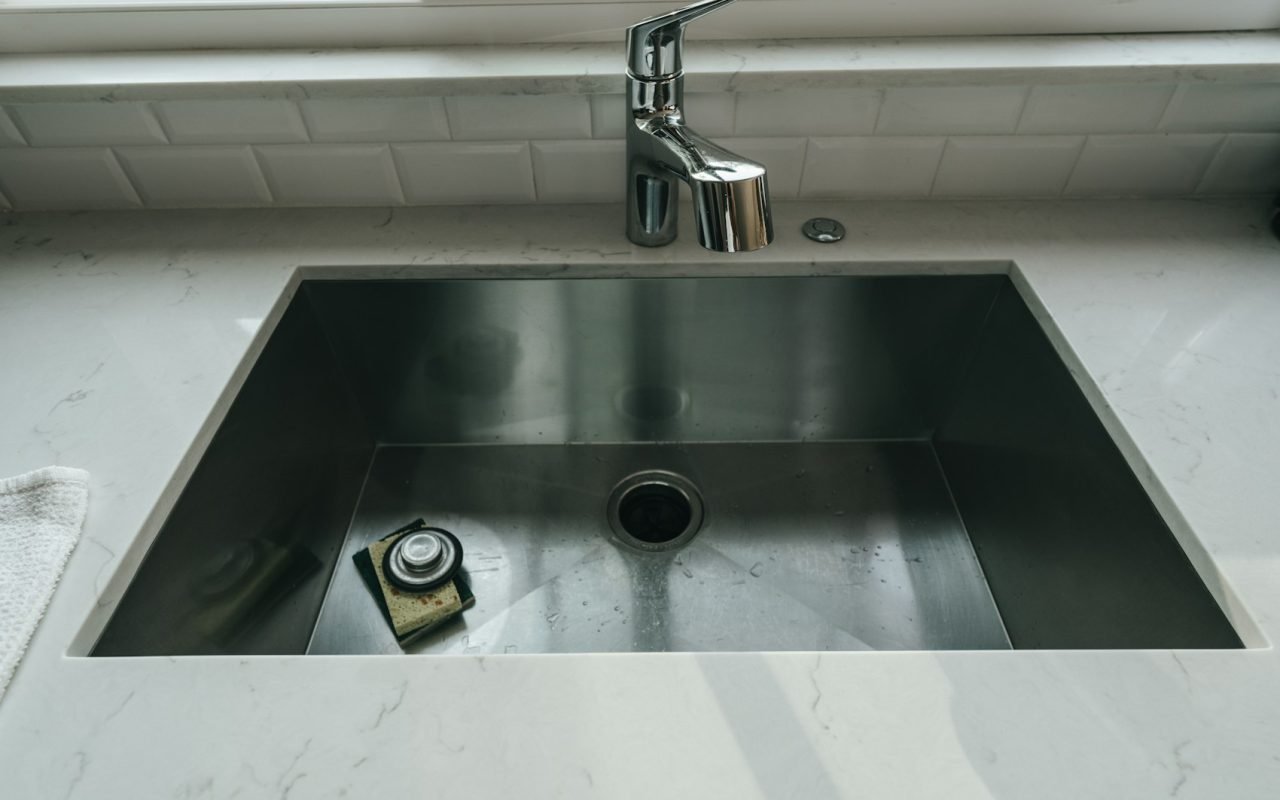
Five Things Never to Pour Down a Drain
Grease is just the beginning.
 Ramon Ortega6 min read
Ramon Ortega
Ramon has fixed Phoenix pipes since the 1990s.



About half of our clogged-drain calls start in the kitchen. Not in the bathroom, not in the laundry room, and not out at the sewer line, but right under the sink where most families do their dishes, rinse their plates and pour out whatever is left in the pan. The good news is that kitchen clogs are also the easiest ones to prevent. Keep these five things out of the sink and you’ll rarely need us, at least not for a drain that backs up on Thanksgiving morning.
Why kitchen drains clog so often
A kitchen drain has a harder job than any other drain in the house. It carries warm water, soap, food scraps, starches and fats, often all at once. As that mixture cools inside the pipe, the fats firm up and the solids get caught in them. Over weeks and months, a sticky layer builds along the inside walls of the pipe, and the opening gets smaller and smaller. One day a single spoonful of rice is enough to finish the job.
Many homes in the Phoenix area also have hard water, which leaves mineral deposits that make the inside of older pipes rougher. Rough pipes catch debris more easily. That is why we see the same handful of culprits again and again when we pull a clog out of a kitchen line.
Holidays make it worse. Between Thanksgiving and New Year’s, our phones ring more for kitchen drains than at any other time of year. Big meals mean more grease, more peelings, more rice and more guests rinsing plates without thinking about what goes down with the water. A drain that has been slowly narrowing all year finally gives up when the house is full and the dishwasher is running twice a day. Knowing what to keep out of the sink is the easiest way to avoid becoming part of that busy season, and it costs nothing but a little attention.
1. Grease and oil
Grease is number one by a wide margin. It goes down as a liquid and hardens in the pipe. Bacon fat, the oil from a skillet, melted butter and the drippings from a roast all behave the same way. Hot water and dish soap may push it a few feet farther, but eventually it cools, clings and starts catching everything else that passes by.
Wipe pans with a paper towel first, then wash them. For larger amounts, let the fat cool in the pan, pour it into an old can or jar with a lid, and throw it out with the trash once it is solid. Some cities collect used cooking oil around the holidays, so check with yours if you deep-fry a turkey. Never pour grease down the toilet either, since it ends up in the same pipes.
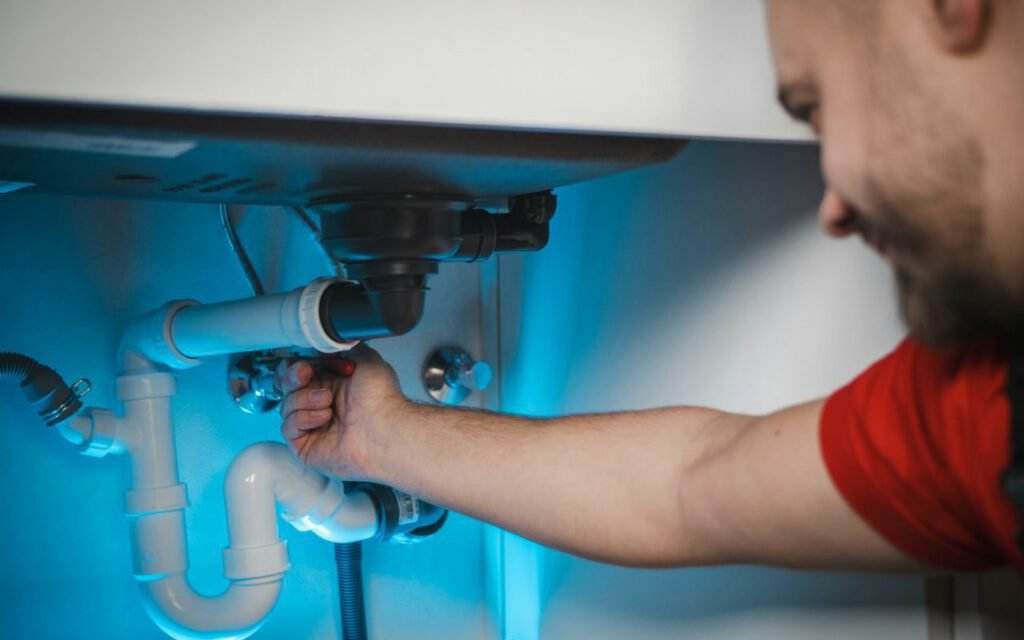
2 and 3. Coffee grounds and rice
These two belong together because they fail the same way. They clump together into a paste that even a disposal can’t move. Coffee grounds don’t dissolve. They sink, settle in the trap and bind with any grease they find, creating something close to wet sand. Rice, pasta and oatmeal keep absorbing water after they go down the drain. They swell, soften and stick together into a thick starch that coats the pipe.
Put coffee grounds in the trash or the compost bin. Many gardeners like them in the flower bed. Scrape leftover rice and pasta into the trash or a food scrap container before you rinse the bowl. If you have a garbage disposal, it is a convenience, not a trash can. Disposals grind food into smaller pieces, but smaller pieces of starch still form paste.
A sink strainer costs three dollars. A drain call costs more.
Lena, ClearFlow Plumbing dispatcher
4 and 5. Eggshells and “flushable” wipes
Eggshells surprise people. The thin membrane inside the shell can wrap around disposal blades, and the shell itself breaks into gritty pieces that behave like sand in the trap. Toss them in the trash or compost instead.
Wipes are the final item on our list, and they cause trouble in both the kitchen and the bathroom. Even wipes labeled flushable or septic-safe do not break apart the way toilet paper does. They snag on rough spots inside the pipe, collect grease and hair, and form tough clumps that a plunger can’t budge. Paper towels and cleaning wipes do the same thing. The rule we give every family is simple: only water, soap and toilet paper go down the drains.
A few more things to keep out
Our five are the most common, but they are not the only problem items. Here is a short list our technicians mention most often on service calls:
- Flour and baking mixes, which turn into glue when wet
- Fruit stickers, which cling to pipe walls and catch other debris
- Fibrous vegetable scraps like celery, onion skins and corn husks
- Paint, solvents and harsh chemicals, which belong at a hazardous waste drop-off
- Medications, which most pharmacies or county programs will take back safely
Simple habits that keep drains clear
Prevention takes a few seconds a day and saves a lot of frustration. These are the habits we see in homes that almost never call us for a kitchen clog:
- Use a mesh strainer in every sink and empty it into the trash after each meal.
- Scrape plates into the trash or compost before rinsing them.
- Wipe greasy pans with a paper towel before washing.
- Run cold water for a few seconds before and after using a disposal.
- Once a week, run a full sink of hot, soapy water and let it drain all at once to flush the line.
We do not recommend pouring chemical drain cleaners down a slow drain. They can damage older pipes, harm a septic system, and they are dangerous if they splash back. If a plumber later needs to open the line, standing chemicals make the job riskier for everyone. A plunger made for sinks, used with the overflow covered, is a safer first step.
Key takeaway: Grease, coffee grounds, rice, eggshells and wipes cause most of the kitchen clogs we clear. Keep them out, and your drains will mostly take care of themselves.
When to call a plumber
Some clogs are easy to fix at home, but a few signs mean the problem is deeper in the line. Call a licensed plumber if water backs up into a different fixture when you run the sink, if more than one drain is slow at the same time, if you hear gurgling from the toilet when the dishwasher drains, or if you notice a sewer smell that won’t go away. Those usually point to a blockage in the main line, and pushing harder with a plunger can make it worse.
At ClearFlow, we use cameras to see exactly what is in the pipe and where, so we can clear it properly instead of guessing. We will also tell you honestly if the clog came from something on this list, so the next one never happens. And if you would like a strainer for every sink in the house, just ask our technician. We keep a box of them in every van, because three dollars at the sink beats a service call every time.


Start the conversation