The First-Night Box: What to Pack So Your First Evening Is Easy
One clear bin, labeled and kept in your car, holds everything you need for the first 24 hours.
 Jasmine Carter6 min read
Jasmine Carter
Jasmine started Brightway after one very bad move of her own.



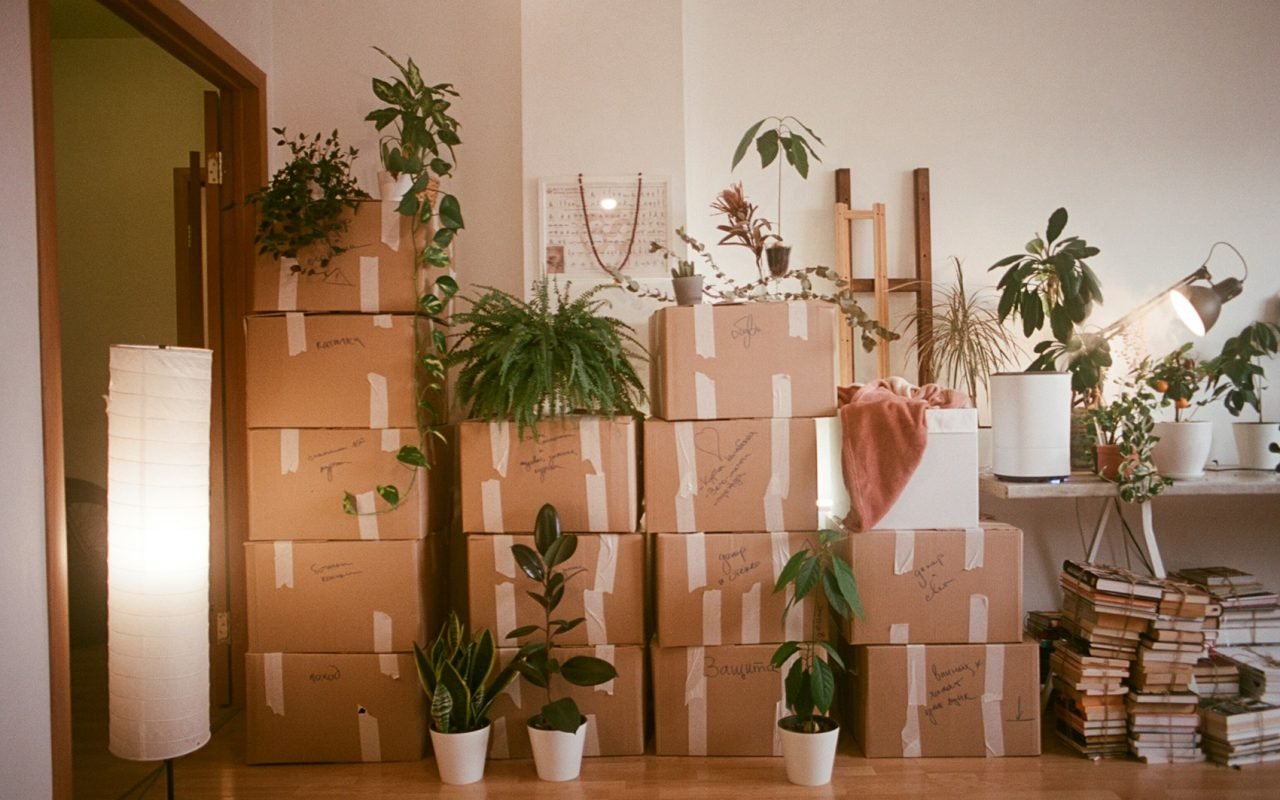
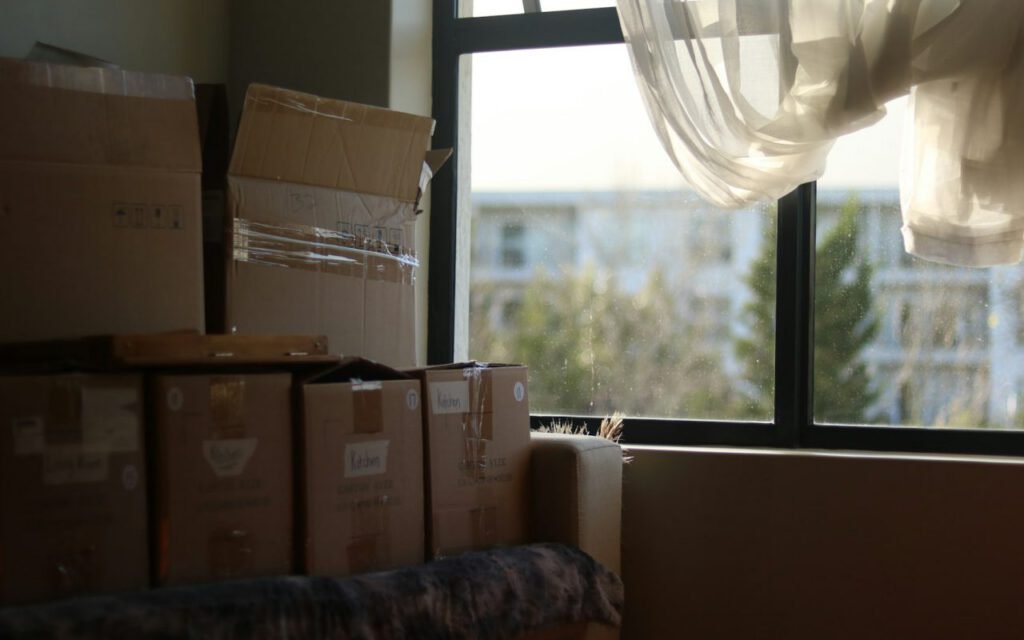
The first night in a new home is almost never what people imagine. The crew has gone, it is 8:00 p.m., there are 60 boxes stacked in the living room, and you realize you have no idea which one holds the toilet paper, the phone chargers or the kids’ pajamas. Everyone is hungry and tired, and digging through boxes at that hour is nobody’s idea of fun. That is exactly why we tell every customer to pack a first-night box.
Jasmine here. A first-night box is simply one or two clearly marked containers that hold everything your household needs for the first 24 hours. It travels with you in your car, not on the truck. It is the single best packing habit I know, and after hundreds of Chicago moves, our crews can tell you that the families who pack one have much calmer evenings.
Why it matters so much
On a typical local move, the truck arrives at your new home in the early afternoon, and our crew may finish unloading between 4:00 and 7:00 p.m. By then most stores are closing or far away, and everyone is worn out. Even a well-labeled move takes days to fully unpack. The first-night box buys you time. It lets you shower, eat, sleep and get the kids to school the next morning without opening a single other box.
Use a clear bin, not a cardboard box
We recommend a clear plastic bin with a lid, about 18 gallons, for each adult, plus a smaller one for each child. Clear bins are easy to spot and easy to search. Label them in big letters on all four sides with “FIRST NIGHT – DO NOT LOAD” in bright tape. When our crew sees that label, we know to leave it with you.
What to pack: the essentials
Bathroom
- Toilet paper, two rolls at least
- Hand soap, a hand towel and one bath towel per person
- Toothbrushes, toothpaste, deodorant, shampoo and any daily skincare
- A shower curtain and rings, if your new bathroom needs one
- A small first-aid kit with bandages and pain reliever
Bedroom
- A set of sheets and a pillow for each bed, or sleeping bags if beds will not be assembled
- Pajamas and a change of clothes for the next day
- A phone charger for each person and a power strip
- Glasses, contact lens supplies and any daily medications
Kitchen
- Paper plates, cups and a few utensils
- A sharp knife, a can opener and scissors or a box cutter
- Dish soap and a sponge
- Coffee or tea and a way to make it
- Easy snacks, bottled water and a few breakfast items
- Paper towels and trash bags
A small cleaning kit
Even a home that was cleaned before you arrived will need a quick wipe once the furniture is in place. Add an all-purpose spray, a roll of paper towels, a few microfiber cloths, disinfecting wipes and a pair of rubber gloves. Throw in a handheld broom and dustpan for the cardboard bits and packing paper that seem to multiply on moving day. If you are moving into an older Chicago apartment, a plunger and a nightlight for the hallway are worth their space too.
If you would be annoyed to buy it again at 9:00 p.m., it belongs in the first-night box.
Jasmine Carter
The tools bag
Pack a small separate bag of tools that also stays in your car. A cordless drill with bits, a set of screwdrivers, an adjustable wrench, a tape measure, a utility knife, a few picture hooks and a roll of packing tape will get beds and cribs assembled and boxes opened. Put any furniture hardware our crew removed, like bed frame bolts, in a labeled bag right next to these tools. Our crews tape hardware bags to the furniture itself, but having a backup never hurts.
Packing for kids and pets
Kids need their own small first-night box. Include favorite pajamas, a stuffed animal or blanket, a nightlight, a couple of books and something quiet to do, like coloring books or a tablet with headphones. Having familiar things at bedtime helps children settle in a strange new room.
Pets need the same care. Pack their food and water bowls, enough food for several days, a leash, litter and litter box, any medications and a familiar bed or blanket. Keep pets in a closed room or crate during the move so they do not slip out an open door.

The important documents folder
Along with the first-night box, keep a folder or envelope that never leaves your hands. It should hold your lease or closing documents, the moving estimate and inventory, IDs and passports, checkbook, keys for both homes, building fobs and access codes, and any school or medical paperwork you will need in the first week. On moving day it is very easy for a folder like this to get packed into the wrong box.
Snap a photo of each document on your phone as a backup, and write the crew lead’s phone number on the front of the folder. If you are juggling two sets of keys, put the old ones in a labeled envelope so you can hand them back to your landlord or the new owners without searching every pocket.
A first-night routine that works
Once the crew has left, resist the urge to start unpacking everything at once. Focus on four simple steps:
- Make the beds. Tired people sleep better on a made bed, and it is the hardest thing to do at midnight.
- Set up the bathroom so everyone can shower and brush their teeth.
- Order dinner from somewhere nearby and eat sitting down, even if it is on a box.
- Open the next-morning box: coffee, breakfast and clothes for the day.
Everything else can wait until tomorrow.
Add a next-morning box
Many of our customers now pack a second, smaller bin for the following morning. It holds breakfast items, coffee filters, a pan, school bags and work clothes, plus the things you will need for a full day of unpacking: box cutters, trash bags, shelf liner and a list of which rooms to tackle first. Starting the first full day with breakfast and a plan, instead of hunting for the coffee maker, sets the tone for the whole week.
If your move is long-distance and the truck arrives a day or more after you do, expand the first-night box into a two-or-three-day kit. Add extra clothes, an air mattress with a pump and enough towels to get through until the furniture arrives.
Pack it last, open it first
Start a first-night box list a week before your move and add to it as you use things each day. Pack the box on the morning of the move, after your last shower and breakfast. Load it into your car before the crew arrives so there is no confusion.
If you would like a printable version of our first-night checklist, our office will send one with your moving confirmation. Questions about packing or anything else? Call us at 555-0137 or email hello@brightway.example.


2 Comments
The clear bin idea is perfect. We used a cardboard box last time and lost it among fifty others.
Adding a shower curtain to my list right now. That one got us on our last move.