

 CultureSummer Concert Series Announces Its Biggest Lineup YetTwenty free shows by the river, from jazz to bluegrass to a full orchestra on the…
Culture Iris Holloway6 min read
The Art Museum Reopens After a Two-Year Renovation
A new glass wing, free Thursday nights and 400 works that haven’t been shown in decades.
Iris Holloway6 min read

Written by
Iris Holloway
Iris has edited Northwind Weekly since 2015 and still reads every letter.
7Articles
2026Writing since
The city art museum reopens Saturday after a two-year, $95 million renovation that added a glass-walled wing and doubled its gallery space. For the first time since the doors closed, visitors will be able to walk from the original limestone galleries straight into a bright new addition that looks out over the park, and then down into a courtyard that the museum plans to fill with music, families and, on warm evenings, a good deal of conversation.
More than 400 works from the permanent collection — many unseen for decades — return to the walls, including a long-hidden series of 1930s landscape paintings. Curators say the reopening is less about a new building than about finally having room to show what the city already owns.
Advertisement Sponsored · Fernhill BooksIndependent since 1974Free shipping on orders over $35.Shop books
Sponsored · Fernhill BooksIndependent since 1974Free shipping on orders over $35.Shop booksA new wing made of glass
The most visible change is the new wing on the museum’s north side, a three-story structure wrapped in tall panes of low-glare glass. From the sidewalk, passersby can see straight into the ground-floor galleries, which museum leaders say was the point.
Inside, the wing holds six new galleries, a classroom for school groups, a small cafe and a reading room with art books that visitors can browse for free. The upper floor is reserved for rotating exhibitions, which until now had to compete for space with the permanent collection in the older building.
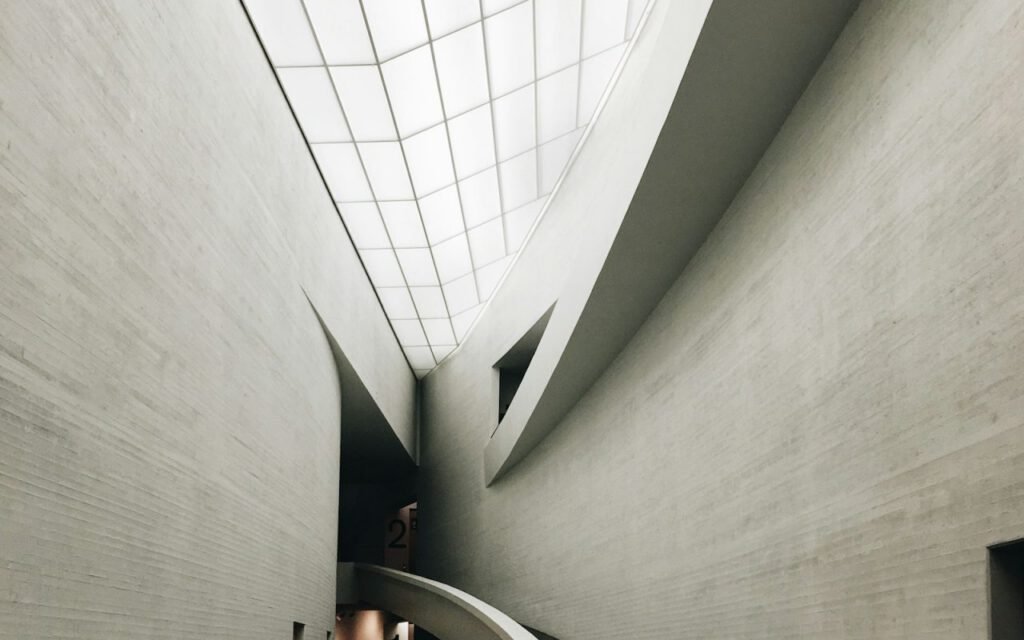
The architects, a regional firm that has designed several university buildings, used a system of fabric screens and angled ceilings to keep direct sunlight off the art while still letting daylight fill the rooms. Conservators spent months testing light levels before any works were hung.
Repairs in the original building
Much of the renovation budget went to work visitors will never see. The original 1920s building received a new climate-control system, updated fire protection, an elevator that reaches every floor and accessible restrooms on each level. A long ramp now connects the main entrance to the sidewalk, replacing a side door that wheelchair users previously had to request staff to open.
AdvertisementSponsored · Fernhill BooksIndependent since 1974Free shipping on orders over $35.Shop books
Sponsored · Fernhill BooksIndependent since 1974Free shipping on orders over $35.Shop booksFour hundred works come out of storage
Like most museums, the city museum has long been able to display only a small share of its collection at any time. Before the renovation, curators estimated that more than three quarters of the museum’s holdings sat in storage. The added space changes that balance significantly.
More than 400 works from the permanent collection return to the walls, many for the first time in decades. Among them are paintings, prints, photographs, textiles and pieces of furniture made by local craftspeople in the 19th century. Curators said they chose works that tell the story of the city and the region, alongside highlights from the museum’s broader collection of American and European art.
This collection belongs to the city. We want the city to feel that when they walk in.
Director Evelyn Chambers
The hidden landscapes
The centerpiece of the reopening is a long-hidden series of 1930s landscape paintings. The works, painted during the Great Depression by a group of regional artists, show farms, river valleys, rail yards and small-town main streets. Most were acquired by the museum decades ago and then rarely displayed.
Museum staff said the series needed careful conservation before it could be shown again. Several canvases had darkened under old varnish, and a few had small tears. A team of conservators worked on the paintings throughout the closure, cleaning surfaces and stabilizing frames. Visitors will see the results in a dedicated gallery on the second floor of the original building.

Rethinking the galleries
The reopening also brings a new way of arranging the collection. Instead of grouping works strictly by time period or country, curators have organized several galleries around themes, such as work, home, water and the city itself. A 19th-century quilt might hang near a contemporary photograph of the same neighborhood, and a factory scene from the 1930s might share a wall with tools and objects from the same era.
Wall labels have been rewritten in plain language, and many now include short comments from local residents, students and artists alongside the curators’ notes. Large-print guides and audio descriptions are available for every gallery, and a family guide with drawing prompts and simple questions is free at the front desk.
Curators said they tested early versions of the new labels with visitor groups from neighborhood libraries and community centers during the closure, adjusting the wording based on what people found confusing or interesting.
Free nights
Admission will be free every Thursday from 5 to 9 p.m., with music in the new courtyard. Museum leaders said the free evenings are meant to welcome people who might not otherwise visit, including families with young children, students and workers who can’t come during regular daytime hours.
The courtyard, which sits between the old building and the new wing, will host local musicians on Thursday evenings through the warmer months. In winter, performances will move to the main lobby. The museum plans to rotate performers each week, with a mix of jazz, folk, chamber music and student ensembles from area high schools.
Chambers said the museum would track attendance on free nights closely and adjust programming based on what visitors respond to. She added that the museum hoped to make free evenings permanent if funding allows.
Visiting the museum
For those planning a trip, here are the key details provided by the museum:
- Reopening day: Saturday, with doors opening at 10 a.m.
- Free Thursdays: Every Thursday from 5 to 9 p.m., with music in the courtyard.
- Accessibility: A new ramp at the main entrance, elevators to every floor and accessible restrooms on each level.
- School groups: Field trips can be booked through the museum’s education office for the new classroom.
- Food: A small cafe in the new wing serves coffee, sandwiches and pastries.
How the project was paid for
The $95 million renovation was funded through a combination of private donations, a city bond approved by voters several years ago and grants from a regional arts foundation. Museum officials said the largest single gift came from a local family foundation that asked to remain anonymous.
The project came in close to its original budget despite rising construction costs during the closure. Officials credited early decisions to reuse much of the original building’s structure rather than demolish and rebuild. The timeline slipped by roughly four months, largely because of delays in delivering the custom glass panels for the new wing.
What visitors can expect next
The reopening is the start of a busy calendar. The first rotating exhibition in the new upper-floor galleries, a show of contemporary photography from across the Midwest, opens in early spring. The museum also plans a series of family workshops on weekend mornings and evening lectures tied to the 1930s landscape series.
A building for the whole city
Throughout the closure, museum leaders repeated a single message: the renovation was meant to make the museum feel open to everyone. The glass wing, the free Thursdays and the return of hundreds of works from storage are all part of that effort.
Whether the city responds will become clear in the months ahead. On Saturday morning, at least, the doors will open on a building with twice the space, a courtyard ready for music and a long-hidden set of paintings back where people can see them.
Written by
Iris Holloway
Iris has edited Northwind Weekly since 2015 and still reads every letter.
7Articles
2026Writing since
Read next
CultureSummer Concert Series Announces Its Biggest Lineup YetTwenty free shows by the river, from jazz to bluegrass to a full orchestra on the… CultureThe Indie Theater That Refused to Close Is Selling Out AgainA 1928 movie palace survived on popcorn sales and volunteers. Now its retro double features are…
 CultureTen Albums We Couldn’t Stop Playing This MonthA Nashville songwriter’s quiet debut, a jazz trio from Detroit and the year’s best road-trip record.
 CultureMeet the Potter Making Bowls for America’s Best KitchensFrom a converted barn in Kentucky, one maker throws 3,000 pieces a year — every one…
2 Comments
Thanks for explaining this so clearly.
Great reporting — please keep following this story.