How to Interview Your Grandparents
Questions that open doors, and a recorder that stays out of the way.
 Walter Hayes6 min read
The best history sources in your family are still telling stories at the dinner table. They’re the ones passing the green beans and saying, “That reminds me of the winter the creek froze solid.” They don’t live in an archive or a courthouse basement. They live down the road, or a phone call away, and they know things no document will ever record.
Record them now. You’ll treasure the recordings forever. I say that as someone who waited too long. My father was a wonderful storyteller, and I always assumed there would be time to sit him down properly with a tape recorder. There wasn’t. I have a handful of his stories in my memory and exactly one scratchy recording from a birthday party. I’d trade a great deal for one more afternoon of him talking.
 Sponsored · Rootline DNAFind your family storyDNA kit and family-tree builder.Start now
Set the stage
An interview with a grandparent shouldn’t feel like a deposition. Pick a comfortable spot at a time of day when they have energy. For many older folks, that’s mid-morning or right after lunch. Bring a snack or a pot of coffee. Turn off the television and put the dog outside if it’s the barking kind.
Tell them ahead of time what you’d like to do and why. Many grandparents feel their lives were ordinary and wonder why anyone would want to hear about them. Explain that you want your children and grandchildren to know them, and that their everyday memories are exactly what’s most precious. Most will be flattered, even if they pretend otherwise.
A recorder that stays out of the way
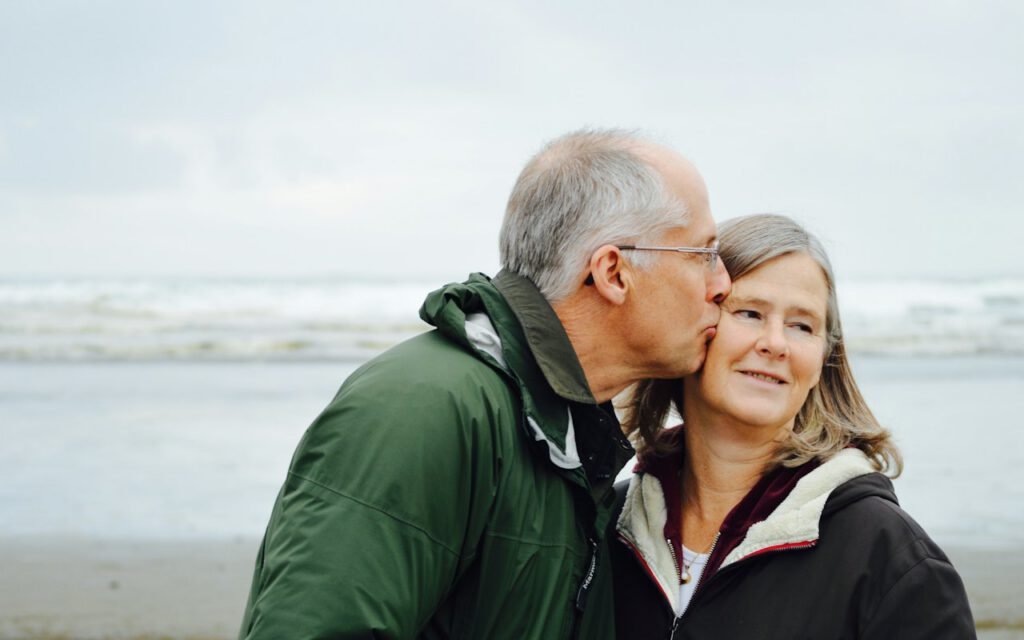
You don’t need fancy equipment. A modern phone records perfectly clear audio. Set it on a folded towel on the table between you to cut down on rattling, and do a short test before you start. Then, and this is important, try to forget it’s there. If you keep fiddling with it, your grandparent will keep glancing at it, and the conversation will stiffen.
- Ask permission to record, and record that permission at the start.
- Charge your phone fully and turn on airplane mode so calls don’t interrupt.
- Sit close enough that both voices are clear, but not so close it feels like an interrogation.
- Keep a notebook handy for names and spellings you’ll want to check later.
- Plan for about an hour. Older voices tire, and you can always come back.
Ask open questions
Not “Where were you born?” but “What did your street look like when you were small?” That’s the single most useful piece of advice I can give you. A closed question gets a fact. An open question gets a story, and inside the story you’ll usually find the facts too.
When I taught oral history to my high school students, I gave them a list of starter questions. Here are some of my favorites:
- What did your house smell like when you were a child?
- Who was the first person in your family you remember clearly?
- What did you do on a typical Saturday when you were ten?
- Tell me about your first job. What did you earn, and what did you spend it on?
- How did you meet Grandma, and what did you think the first time you saw her?
- What’s something that’s changed in the world that you still can’t get used to?
- What’s a story your own grandparents told you?
That last question is magic. It reaches back two generations further than you’d otherwise go. One of my students, a quiet girl named Renee Harper, asked it of her great-grandmother and came back with a story about a family wagon trip from the Carolinas to Arkansas in the 1890s. Nobody else in the family had ever heard it.
Every grandparent is a library. Visit while the doors are open.
Walter
Let silence work
Pause after an answer. The best stories often come next. This is the hardest skill for most interviewers to learn, because silence feels awkward, and we rush to fill it. Don’t. When your grandmother finishes a story, count slowly to five in your head before you say anything. More often than not, she’ll add something. “Of course, that was before my brother left,” she might say, and suddenly you’re hearing about an uncle no one ever mentioned.
Follow-up questions are the other half of this skill. When something interesting comes up, gently dig: “What happened next?” “How did you feel about that?” “Who else was there?” Resist the urge to correct dates or details on the spot. You can check those later. Right now, your job is to listen.
When the stories get heavy
Sometimes a question opens a painful memory, a lost child, a war, a hard time the family doesn’t talk about. Be gentle. Let your grandparent decide how much to share. It’s perfectly fine to say, “We don’t have to talk about that,” and move on. Some of the most meaningful interviews I’ve heard include moments where the speaker chose to stop. That choice is part of their story, too.
Bring the past into the room
Old photographs are the best memory-joggers I know. Bring a stack of family pictures and ask your grandparent to name the people and tell you what was happening. Keep the recorder running while they do. You’ll get names, dates and stories you’d never think to ask for.
Other objects work well, too. A recipe card in Grandma’s handwriting, an old school yearbook, a medal, a quilt. Hand it to them and say, “Tell me about this.” I once watched a gentleman named Mr. Clarence Odell turn a rusty pocketknife over in his hands for a full minute before telling a twenty-minute story about the summer he and his brothers built a raft and floated it down the Tennessee River.
Keep the recordings safe
After the interview, take care of what you’ve gathered. Copy the recording to at least two places, such as your computer and a cloud account or an external drive. Label each file with the person’s name, the date and a few words about the topics covered. If you have the time, write out a transcript, or at least a list of the stories with rough timestamps. Future family members will be grateful.
Consider sharing a copy with your grandparent and other relatives, too. Many families find that hearing these recordings at a reunion or a holiday dinner sparks more stories from others in the room. Some local historical societies and libraries also collect oral histories, if your family is comfortable sharing.
Key takeaway: Ask open questions, stay quiet long enough for the good stories and save the recordings in more than one place.
Don’t wait
I know the excuses, because I made them all. You’re busy. They’re busy. It feels strange to ask. There will be time later. Please don’t wait. Call your grandparents this week and ask if you can come by with a pot of coffee and a few questions. Start small, with one story, and see where it takes you.
Years from now, when you press play and hear that familiar voice laughing about a mule that wouldn’t cross a bridge, you’ll be so glad you did. I’d give a lot to hear my father’s laugh one more time. You still have the chance.
Walter taught history for 34 years and now writes about local history, genealogy and antiques.

Walter Hayes
Walter taught history for 34 years and now writes about local history, genealogy and antiques.