


 ReviewsAlbum Review: Velvet Harbor’s “Night Swim” Is a Summer ClassicDreamy, warm and impossible to skip. ★★★★½
Jazz & Venues Andre Mills6 min read
A Beginner’s Guide to Listening to Jazz
Start with ballads, follow the melody, enjoy the solos.
Andre Mills6 min read

Written by
Andre Mills
Andre plays saxophone in three bands and writes about all of them.
7Articles
2026Writing since
Maybe you have heard a jazz record at a friend’s house and liked it without knowing why. Maybe you walked past a club, heard a saxophone through the door and wondered what was going on inside. Jazz can seem intimidating. It is easier when you know what to listen for. You do not need to understand music theory, memorize names or own a stack of rare records. You just need a few simple listening habits, a little curiosity and a willingness to let the music surprise you.
This guide is for anyone who wants to enjoy jazz but has never quite known where to start. We asked working musicians, longtime fans and our own critics for the advice they wish someone had given them on day one.
Start with ballads
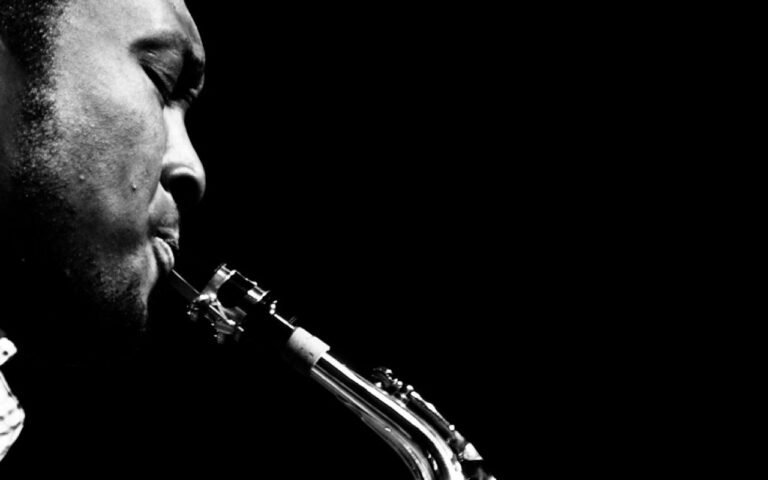
If fast, complicated jazz feels overwhelming, slow down. Ballads are the best entry point for new listeners. The tempos are relaxed, the melodies are easy to follow, and the players tend to focus on tone and feeling rather than speed. A slow tune played by a saxophone or a trumpet with a gentle rhythm section is about as welcoming as music gets.
Vocal jazz is another friendly door. When a singer delivers a melody with lyrics, you have a built-in guide to the song’s shape. Many classic jazz songs come from old Broadway shows and movie musicals, so some of the tunes may even sound familiar. Once you are comfortable, you can move on to faster, more adventurous styles.
Follow the tune
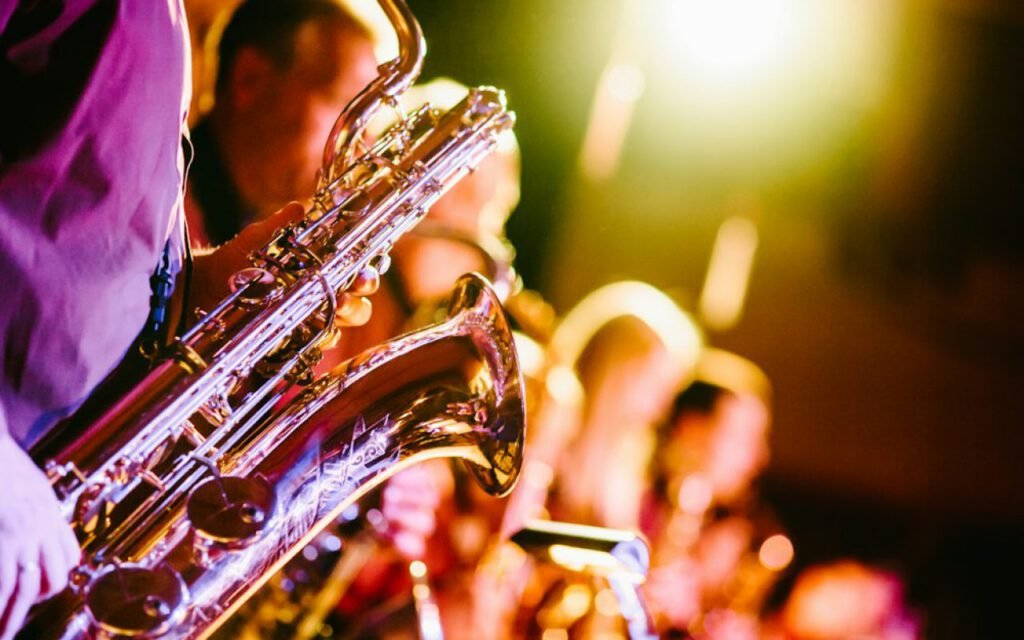
Most pieces state a melody, explore it in solos, then return to it. That simple structure is the key to understanding almost any jazz performance. Musicians call the melody “the head.” The band plays it at the start, then each musician takes a turn improvising over the same chord pattern, and finally everyone plays the head again to finish.
Once you know that, the music suddenly makes more sense. When a solo starts, you are hearing a musician invent new melodies on the spot, using the original song as a map. Try humming the original melody quietly while the solo is happening. You will often notice the soloist echoing bits of it, bending it or teasing it. When the head comes back at the end, it feels like coming home.
The basic shape of a jazz tune
- The band plays the melody together.
- One player solos while the rhythm section supports them.
- Other players take their turns, one at a time.
- Sometimes the drummer trades short solos with the band.
- Everyone returns to the melody to close the tune.
Listen to the conversation
Listen to the conversation between the players. That’s jazz.
Andre Mills, saxophonist (fictional)
Andre Mills has played tenor saxophone in clubs from Chicago to New Orleans for 25 years, and he says the biggest mistake new listeners make is focusing only on the soloist. “The soloist is talking, sure,” he told us. “But the piano player is answering. The drummer is reacting. The bass player is holding the whole room together. If you listen to all of them at once, you start to hear a conversation.”
Try this on your next listen. During a solo, focus only on the drums for a full minute. Notice how the drummer responds when the soloist plays something exciting, with a sudden cymbal crash or a quick snare fill. Then switch to the bass and follow its walking line, one steady note per beat. Then try the piano, which often drops short chords in the gaps, like someone nodding along in a conversation.
Who does what
- Drums: keep time, add energy and react to the soloist.
- Bass: anchors the harmony and the beat, often with a steady walking line.
- Piano or guitar: plays chords that shape the harmony and supports the soloist.
- Horns: usually carry the melody and take many of the solos.
Explore different styles
Jazz is not one sound. It is a huge family of styles that grew over more than a century. Early jazz from New Orleans is bright, bouncy and full of group improvisation. The swing era brought big bands and dance floors. Later styles got faster and more complex, then cooler and more relaxed, then wilder and more experimental. Today, jazz musicians blend in funk, hip-hop, Latin rhythms, rock and electronic music.
Do not feel you need to like all of it. Most fans have favorite corners of the jazz world. Try a little of everything and follow what you enjoy. If you love a particular record, look up the players on it and see what else they recorded. That trail of names is how many lifelong fans built their collections.
Local radio and record stores are great guides too. Many cities have a public or college station with a weekly jazz program, and the people behind the counter at an independent record shop usually love nothing more than recommending something.
Go live
Jazz makes the most sense in a small room. Recordings are wonderful, but nothing compares to sitting a few feet from a band and watching the musicians glance at each other, smile at a surprise and push each other somewhere new. You can see the conversation, not just hear it.
Many cities have intimate clubs, restaurants and community spaces that book jazz several nights a week, often with modest cover charges. College music departments host student concerts that are inexpensive or free. Summer brings outdoor festivals and concerts in the park. Check our concert calendar for upcoming shows near you.
A few simple tips make a first visit more comfortable. Clap after a solo ends, which is a jazz tradition. Keep conversation quiet during ballads. Do not worry about knowing the songs. And if a musician plays something that makes you grin, let it show. Players feed off the crowd’s energy.
What to expect at a club
Most jazz clubs run two or three sets a night, each about an hour long, with short breaks in between. Some charge a cover at the door, and some have a small food or drink minimum per table. Early sets tend to be calmer and more relaxed. Late sets often stretch out, get louder and draw other musicians who drop in after their own gigs. If you can stay for one late set, do it. Some of the most memorable music happens after midnight, when the room has thinned out and the band starts taking chances.
Key takeaway: Start with ballads, follow the melody, listen to the whole band and get yourself to a small club as soon as you can.
Keep listening
The best thing about jazz is that it rewards you more the longer you listen. A record that seemed confusing the first time can become a favorite by the fifth. A style that sounded chaotic can suddenly make perfect sense. There is no test and no finish line. Put on a ballad tonight, follow the tune, listen to the conversation and enjoy the solos. You are already a jazz fan.
Written by
Andre Mills
Andre plays saxophone in three bands and writes about all of them.
7Articles
2026Writing since
Read next
ReviewsAlbum Review: Velvet Harbor’s “Night Swim” Is a Summer ClassicDreamy, warm and impossible to skip. ★★★★½ ReviewsWhy Vinyl Records Keep Coming BackBig covers, warm sound and the ritual of the needle.
 Jazz & VenuesThe Return of the Jazz ClubSmall rooms, late sets and a new generation of players.
 LiveConcert Review: Juniper Lane Lights Up the Riverside AmphitheaterTwo hours, 24 songs, one huge sing-along.
 LiveProtect Your Hearing at ConcertsYou only get one pair of ears.
 Jazz & VenuesLocal Venue Spotlight: The Little RoomA 120-seat club where big careers start.
 Jazz & VenuesThe 20 Best (Fictional) Albums of the Year So FarOur critics’ midyear list.
 Jazz & VenuesInside a Late-Night Jam SessionWhere musicians test ideas and make friends.
 Jazz & VenuesWhat Does a Music Producer Actually Do?Part coach, part engineer, part therapist.
Start the conversation