



 ColumnsColumn: Let’s Stop Pretending Ticket Prices Are FineA family of four now spends $480 on a regular-season game. Teams should worry about who…
Columns Brooke Sutton6 min read
Column: Youth Sports Have a Burnout Problem, and Parents Can Fix It
Seven in ten kids quit organized sports by 13. The reason is not talent — it is the schedule.
Brooke Sutton6 min read

Written by
Brooke Sutton
Brooke writes the Sunday column and runs a marathon every spring.
7Articles
2026Writing since
Seventy percent of kids stop playing organized sports by the age of 13. When researchers ask why, the most common answer is not “I wasn’t good enough.” It is “it stopped being fun.” I have covered youth sports for more than a decade, and I have coached a few of my own kids’ teams along the way. That answer still stops me cold every time I read it, because it means we are not losing these children to a lack of talent. We are losing them to us.
Nobody sets out to drain the joy from a game. Parents sign kids up because they want them to be healthy, make friends and learn what it feels like to work hard toward something. Coaches volunteer because they love the sport. Clubs grow because families ask for more. Yet somewhere between the first T-ball practice and the eighth-grade travel tournament, the whole system tilts. The calendar fills up, the stakes climb and the kid in the middle of it quietly decides they would rather do something else.
Too much, too soon
Year-round travel teams, one sport from age eight and weekends spent in hotel pools. Doctors see overuse injuries in children that used to appear only in pros. A pediatric sports doctor I spoke with in Columbus put it bluntly: she now treats ten-year-old pitchers with elbow problems and twelve-year-old soccer players with stress fractures in their feet, injuries she almost never saw when she started practicing.
The physical toll is only part of the story. When a child plays one sport all year, there is no off-season to miss it. There is no spring to try lacrosse with a different group of friends, no summer to swim just for fun. Every game becomes a measuring stick. Every weekend becomes a referendum on whether the family’s investment is paying off. And it is an investment. In our informal reader survey this summer, families with a child on a travel team reported spending anywhere from a few thousand dollars to well over $10,000 a year once fees, uniforms, gas, hotels and tournament entry costs were added up.

Kids notice that money. They hear it in the car. A thirteen-year-old does not need to be told that a missed penalty kick cost a family a weekend away; they feel it anyway. That pressure does not make most kids better athletes. It makes them anxious ones, and anxious kids are far more likely to walk away.
The myth of the early start
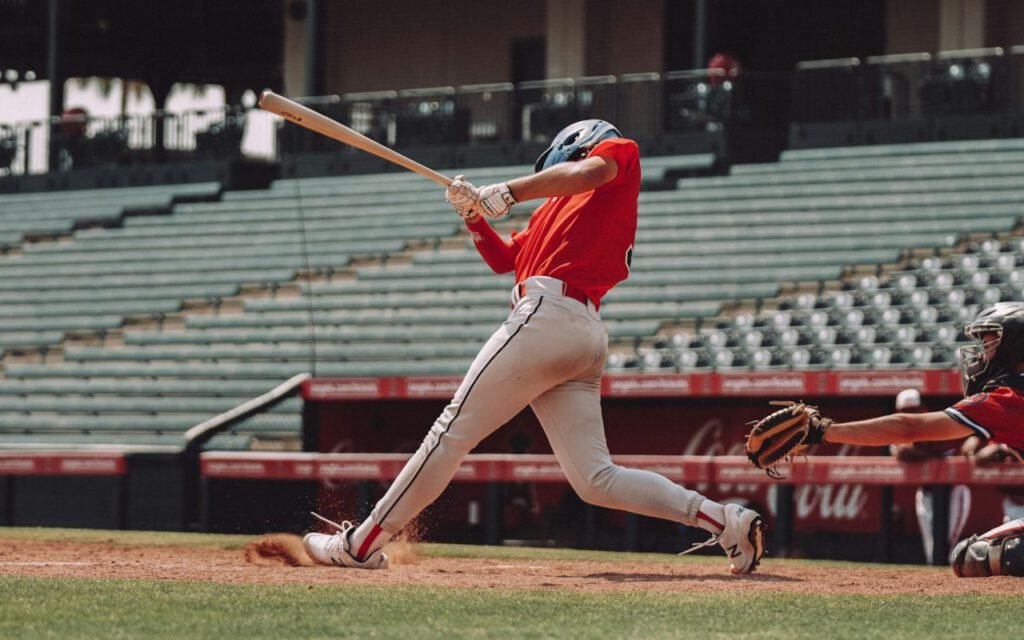
The logic behind early specialization sounds reasonable. If a child wants to be great at baseball, the thinking goes, they should play as much baseball as possible, as early as possible. Fall ball, winter clinics, spring season, summer tournaments. More reps should equal more skill.
But that is not what most coaches at the highest levels say. Ask college recruiters what they look for and many will tell you they prefer multi-sport athletes. Kids who played basketball tend to have better footwork. Kids who played soccer often see the field better. Kids who wrestled usually know how to handle a bad day. Variety builds an athlete; repetition alone mostly builds a specialist with a sore shoulder.
The best young athletes I coached all played something else in the spring.
Youth coach Dana Morales
Dana Morales has coached youth soccer in suburban Atlanta for nearly twenty years. She told me she can usually spot the kids who will still love the game at sixteen. They are not always the most skilled at ten. They are the ones who show up a little sunburned from a swim meet, or who talk about their baseball game from the night before. “They have room to breathe,” she said. “They are not carrying the whole sport on their backs.”
What parents can do
Let kids play two or three sports. Take one full season off a year. And ask a single question in the car after games: did you have fun? That is the short version. Here is a slightly longer one, built from conversations with coaches, doctors and a lot of parents who learned the hard way.
- Protect the off-season. Pick at least one stretch of two to three months each year when your child does not play their main sport at all. Let them rest, try something new or simply be bored.
- Encourage a second and third sport. Different movements build different muscles and lower the risk of overuse injuries. Different teams build different friendships.
- Watch the hours. Many pediatric guidelines suggest kids should not spend more hours per week in organized sport than their age in years. Ask your pediatrician what makes sense for your child.
- Let the coach coach. Cheer from the stands, then let the car ride home be about anything else. Kids hear critique all game; they do not need a replay at dinner.
- Ask about fun first. Not “did you win?” or “why did you miss that shot?” Just “did you have fun?” and then listen to the answer.
What leagues and clubs owe families
It is not fair to put all of this on parents. Many families feel trapped: if they skip the winter session, their child might lose a spot on the spring roster. If they choose a recreation league instead of a travel team, they worry their kid will fall behind for good. Those fears are real, and clubs often feed them.
Leagues can help by building real off-seasons into their calendars, by not punishing players who try another sport, and by keeping rosters open to late bloomers. A few clubs I visited in Minnesota and Oregon now cap the number of tournaments per season and publish their full calendar months ahead so families can plan for rest. Those clubs report something interesting: kids stay longer. Retention goes up when the schedule goes down.
School districts and parks departments matter too. Affordable recreation leagues are where many kids discover a sport in the first place, and they are often the first programs cut when budgets get tight. If we want more kids playing at fifteen, we need more places where a ten-year-old can play for fun without a $3,000 commitment.
Keep the game theirs
I think about my own daughter, who played soccer for six straight years and then announced, at twelve, that she wanted to quit. I was disappointed for about a day. Then I asked her why, and she said something I have never forgotten: “It feels like a job.” She took a year off, joined a swim team with her best friend and came back to soccer the next fall. She is fifteen now, and she still plays, mostly because she wants to.
That is the whole point. Sports can teach resilience, teamwork and the quiet satisfaction of getting better at something hard. They can only do that if kids stick around long enough to learn those lessons. The good news is that the fix is not complicated or expensive. In many cases it actually costs less: fewer tournaments, more rest, more variety and a lot more listening.
Key takeaway: Burnout is a schedule problem before it is a talent problem. Give kids variety, real breaks and a voice, and far more of them will still be playing when they turn 13.
Written by
Brooke Sutton
Brooke writes the Sunday column and runs a marathon every spring.
7Articles
2026Writing since
Read next
ColumnsColumn: Let’s Stop Pretending Ticket Prices Are FineA family of four now spends $480 on a regular-season game. Teams should worry about who… ColumnsPower Rankings: The Five Teams That Look Real After Week 4One undefeated team is a mirage. Another 2–2 team is the best in the conference. Our…
 ColumnsColumn: The Extra Point Is Boring. Here’s How to Fix ItKickers make 95 percent of them. Move the ball back, make teams earn it, and the…
 ColumnsFilm Room: How Austin Built the Best Defense in the LeagueTwo new pass rushers, one simple rule for the secondary and a coach who hates blitzing.…
Start the conversation