



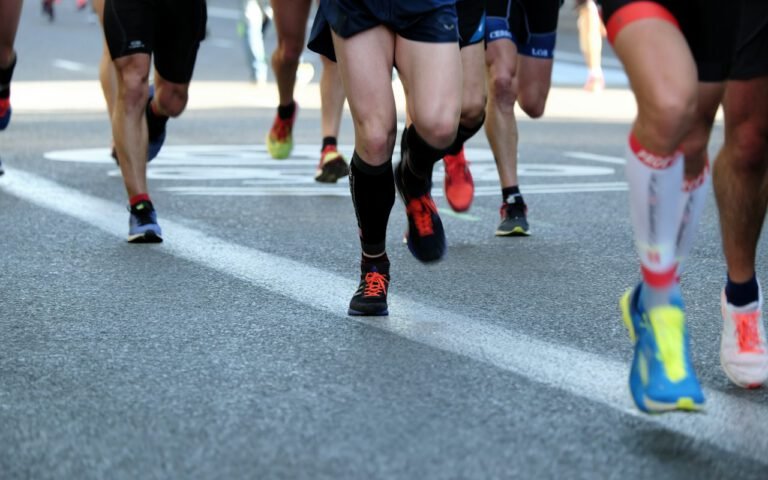
 Running & FitnessCity Marathon Sets a Record With 31,000 FinishersCool weather helped runners post fast times, and the course record fell in the women’s race.
Running & Fitness Brooke Sutton6 min read
The Weekend Warrior’s Guide to Your First Half-Marathon
A 12-week plan, the gear that matters and the mistakes our runners wish they had avoided.
Brooke Sutton6 min read

Written by
Brooke Sutton
Brooke writes the Sunday column and runs a marathon every spring.
7Articles
2026Writing since
Thirteen point one miles sounds like a lot. With 12 weeks and three runs a week, most healthy adults can finish one. You do not need to be fast, you do not need expensive gadgets and you do not need to give up your weekends. What you do need is a sensible plan, a little patience and a willingness to start slower than your ego would like. We talked to coaches and to a dozen readers who finished their first half-marathon this year, and their advice came down to the same handful of ideas.
A quick note before you start. If you have a heart condition, joint problems, a recent injury or you have not exercised in a long time, check in with your doctor first. A short conversation can help you set a safe starting point and avoid problems later.
Start where you are
This guide assumes you can already run, or run and walk, for about 20 to 30 minutes without stopping. If you cannot yet, spend three or four weeks building up to that point with easy run-walk sessions, then begin the 12-week plan. There is no shame in a longer runway. Most injuries in first-time runners come from doing too much, too soon.
Pick your race early. Having a date on the calendar makes the training feel real and helps you stay consistent on days when the couch is calling. Many first-timers choose a local race with a flat course, a generous time limit and plenty of water stations along the way. Look for one that allows walking, which nearly all of them do.

The plan
Run three days a week: one easy run, one with short faster sections, and one long run that grows by about a mile each week. Leave at least one day between runs. On the other days you can rest, walk, bike, swim or do some light strength work. The long run is the most important session of the week, so try to schedule it on a day when you are not rushed.
Here is a simple outline that has worked for many of our readers:
- Weeks 1–3: Easy run of 2–3 miles, a faster-sections run of 2–3 miles and a long run of 4, 5 and then 5 miles.
- Weeks 4–6: Easy run of 3 miles, faster-sections run of 3–4 miles and a long run of 6, 7 and then 6 miles as a lighter week.
- Weeks 7–9: Easy run of 3–4 miles, faster-sections run of 4 miles and a long run of 8, 9 and then 8 miles.
- Weeks 10–11: Easy run of 4 miles, faster-sections run of 4 miles and a long run of 10 miles, then 8.
- Week 12: Two short, easy runs of 2–3 miles early in the week, then race day.
What the faster sections look like
For your faster run, warm up with ten minutes of easy jogging. Then alternate one or two minutes at a quicker but comfortable effort with two minutes of easy running. Repeat four to six times, and finish with an easy cooldown. These sessions build speed and strength without wearing you out.
Keep the easy runs easy
Most beginners run their easy days far too hard. A good rule is that you should be able to speak in full sentences. If you cannot, slow down or take a short walking break. Easy running builds your endurance and gives your body time to adapt, which is the whole point.
What actually matters
Good shoes fitted at a running store. Practicing with the drink and snacks you will use on race day. Starting slower than you think you should. Those three things came up again and again when we asked readers what made the biggest difference.
Shoes: Visit a local running store, where staff can watch you run and suggest shoes that suit your feet and stride. You do not need the most expensive pair. You need a pair that feels comfortable from the first step. Many runners buy shoes half a size larger than their everyday pair because feet swell on longer runs.
Fuel and water: On runs longer than about an hour, most people need some water and a small amount of quick energy, such as a sports drink, chews or gels. Try them during your long training runs, never for the first time on race day. Find out which drink the race will offer on the course and practice with that one if you can.
Pacing: The excitement of race morning makes almost everyone start too fast. Plan to run the first three miles a little slower than your goal pace. You will feel better in the second half, and you will likely finish faster overall.
Nobody remembers their finish time. Everybody remembers finishing.
Running coach Emily Carter

Mistakes our runners wish they had avoided
We asked readers who recently finished their first half-marathon what they would do differently. Their answers were honest and practical.
- Adding too many miles too quickly. Several readers developed sore knees or shins after jumping their long run by three or four miles at once. Stick to about a mile per week.
- Skipping rest days. Rest is when your body gets stronger. Missing it leaves you tired and more likely to get hurt.
- Ignoring sleep. Long runs feel much harder after a short night. Treat sleep as part of the plan.
- Wearing something new on race day. New socks, shorts or shirts can cause blisters and chafing. Wear outfits you have already tested on long runs.
- Not practicing in the morning. If your race starts at 7 a.m., do a few long runs at that time so your body and stomach know what to expect.
One more tip: write down every run in a simple notebook or app. Seeing your progress over the weeks is surprisingly motivating, and it helps you spot patterns if something starts to hurt.
Key takeaway: Consistency beats intensity. Three steady runs a week for 12 weeks will get you much further than a few heroic efforts followed by injury.
Race week and race day
In the final week, cut back your running so your legs feel fresh. Two short, easy runs early in the week are plenty. Eat normal, balanced meals, drink water regularly and avoid trying any new foods. Lay out your clothes, race number, shoes and fuel the night before.
On race morning, eat a light breakfast you have tested before, such as toast with peanut butter or a banana. Arrive early so you have time to use the restroom and find your starting area. Start near the back of the pack, where the pace is gentler, and remind yourself that the first few miles should feel almost too easy.
Walk through the water stations if that helps you drink. Take your fuel when you planned to. If you need to walk at any point, walk with purpose and start running again when you feel ready. There is no rule that says you must run every step.
After the finish
When you cross the line, keep walking for a few minutes to let your legs cool down. Drink water, eat something with carbohydrates and protein and change into dry clothes if you can. Expect some soreness for a few days. Gentle walking and easy stretching usually help.
Take at least a week of rest or very light activity before you start running again. Then think about what comes next. Many first-time finishers decide to run another half-marathon to beat their time. Others look for a new challenge, such as a trail race or a 10K with friends. Whatever you choose, you will have learned that 13.1 miles is not so far after all. Share your finish photo with us and check our events calendar for upcoming races near you.
Written by
Brooke Sutton
Brooke writes the Sunday column and runs a marathon every spring.
7Articles
2026Writing since
Read next
Running & FitnessCity Marathon Sets a Record With 31,000 FinishersCool weather helped runners post fast times, and the course record fell in the women’s race. Running & FitnessHow to Train for Your First 10K in Eight WeeksThree runs a week, one rest day you must not skip and the shoe mistake almost…
 Running & FitnessInside the Gym Where Pro Athletes Go to RecoverCold tubs, sleep coaches and a nutritionist on call: what a modern recovery day looks like.Running & FitnessYour First Race: A Calm Race-Day ChecklistWhat to eat, wear and do so the day feels like a celebration.
Start the conversation