


 SoccerWomen’s Soccer Club Sells Out Its First Home OpenerEight thousand fans packed the stadium for the new professional team’s debut — and saw a…
Soccer Kelsey Ford6 min read
World Cup Host Cities Race to Finish Their Stadium Upgrades
New grass, wider concourses and better transit: what the eleven US host cities still have left to do.
Kelsey Ford6 min read

Written by
Kelsey Ford
Kelsey covers club soccer, the national teams and the build-up to the World Cup.
5Articles
2026Writing since
Most of the US host stadiums were built for American football. Turning them into world-class soccer venues means natural grass, wider fields and new camera positions, along with a long list of less glamorous jobs: bigger locker rooms for 26-player squads, new media tribunes, wider concourses and transit plans that can move tens of thousands of international visitors who have never driven a rental car on an American freeway. With the World Cup now months away, the eleven US host cities are racing to finish that list, and some have more left to do than others.
Gridiron Daily spoke with stadium managers, city transportation officials and local organizing committees in several host cities over the past month. Their message was broadly consistent. The major structural work is done or nearly done. What remains is a mix of temporary installations, field preparation and the operational planning that will determine whether fans remember the tournament for the games or for the lines.
Why football stadiums need a makeover
A regulation pro football field is 120 yards long including the end zones and 53 and one-third yards wide. International soccer matches call for a playing surface roughly 115 yards by 74 yards, plus safety runoff on every side. In several stadiums, that means removing rows of lower-level seats in the corners, pulling back sideline benches and in some cases rebuilding the edges of the field itself.
Stadium operators also have to account for different broadcast needs. Soccer is televised from a high, wide main camera near midfield and from several low positions behind the goals. Some venues are building new camera platforms into the upper concourses, while others are bolting temporary rigs to existing structures. Tournament broadcasters also require large mixed zones, where players walk past reporters after matches, and dedicated press seating with desks and power for hundreds of journalists.

The grass problem
Five of the stadiums use artificial turf. Each will install natural grass grown on trays and moved in sections. It is the single most complicated job on the list, and the one that worries organizers most.
The process works like this. Grass is grown for months at outdoor sod farms, often in climates chosen to match the host city, on thick modular trays or reinforced rolls. A few weeks before the tournament, crews remove the artificial surface, level and prepare the base and then truck the grass in, laying it piece by piece like a giant puzzle. Grounds crews then have only a short window to let roots knit together before players arrive for training sessions.
Indoor and covered venues add another challenge. Grass needs sunlight, and stadiums with fixed roofs often rely on rolling banks of grow lights that run through the night. Several stadium managers said they had run full test installations over the past year, including test matches, to see how the surface held up.
You can build a new concourse in a year. You cannot rush grass. It grows at its own speed, and all we can do is give it the best possible conditions and hope the weather cooperates.
Head groundskeeper Martin Pruitt
Pruitt, who oversees field preparation at one of the southern host venues, said his crew has spent nearly two years testing grass blends, irrigation schedules and drainage. He keeps a backup supply growing at a second farm, in case a section of the main field fails in the heat.
Getting fans there
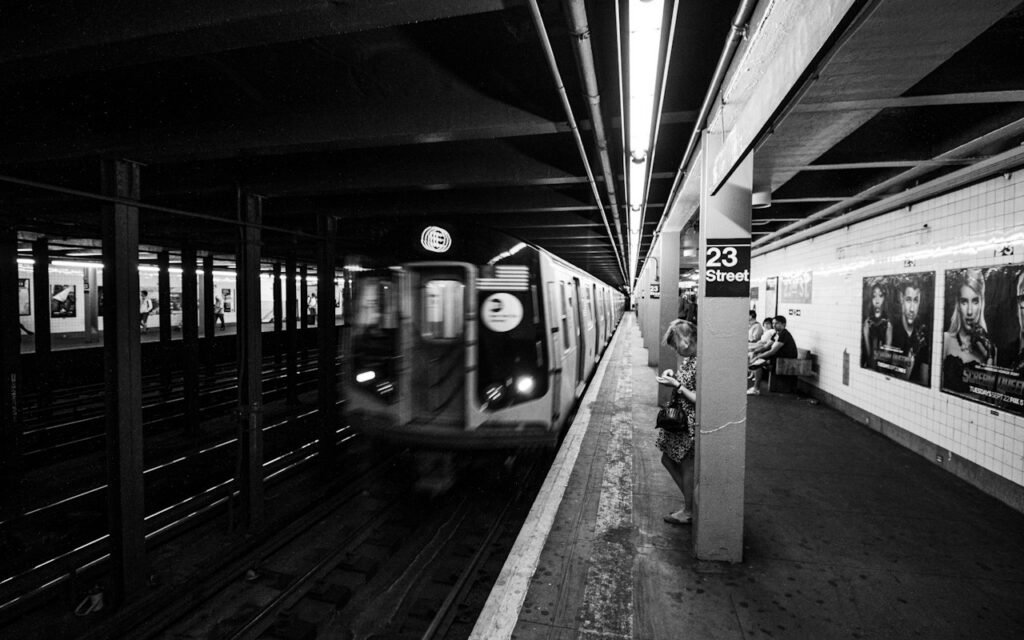
Several cities are adding express buses and temporary rail service on match days. Transportation may be the biggest test of the entire tournament, because many US stadiums were built for fans who drive and tailgate, not for crowds arriving on foot from hotels and fan zones miles away.
Plans vary widely from city to city. Cities with established rail networks, such as Philadelphia, Boston and the New York area, are adding extra trains before and after matches and extending service hours late into the night. In cities where stadiums sit far from rail lines, officials are relying on dedicated bus lanes, park-and-ride lots and shuttle loops from downtown fan festivals. A few host cities are also limiting general parking near the stadium on match days to keep roads clear for buses and emergency vehicles.
What fans should expect
Organizers in several host cities shared similar advice for ticket holders. While final details will be announced closer to the tournament, the general guidance looks like this:
- Plan to arrive at the stadium two to three hours before kickoff, especially for evening matches.
- Use official shuttles or public transit whenever possible, since parking will be limited and expensive.
- Expect clear-bag policies and cashless concessions at every venue.
- Check your host city’s official tournament page for match-day transit maps before you travel.
- Bring sunscreen and water for afternoon matches, as several venues are open-air in hot climates.
Bigger concourses and better comfort
Inside the stadiums, much of the recent work has focused on fan comfort and crowd flow. Several venues have widened concourses, added restrooms and built new concession areas designed to serve fans quickly during a fifteen-minute halftime, which is shorter than the breaks American football crowds are used to. Others have upgraded wireless networks to handle tens of thousands of fans uploading video at the same time.
Accessibility has also been a priority. Host committees in at least three cities said they had added wheelchair seating platforms, improved elevator access and expanded sensory rooms for fans who need a quieter space during matches. Signage is being updated in multiple languages, and several stadiums are training volunteers to help international visitors find their way.
Who is on track, and who is not
Based on our reporting, most of the eleven US host cities appear to be on schedule. Two or three face tighter timelines, mainly because of transit projects that depend on outside funding or construction work that started late. None of the officials we spoke with suggested that any match was at risk of moving, but several acknowledged that the final months will be busy.
Costs are another open question. Cities, states and private stadium owners are sharing the bill for upgrades and operations, and the exact split varies widely. Supporters argue that the tournament will bring in hotel stays, restaurant spending and global attention that will pay off for years. Critics in some cities have questioned whether taxpayers should cover temporary improvements that will be removed once the tournament ends. Local budgets and council meetings over the coming months will offer a clearer picture.
The final stretch
For stadium crews, the next few months will be a careful countdown. Grass will be planted and protected, temporary seating will go up, camera platforms will be tested and transit agencies will run practice days with empty buses and trains. Organizers stress that the plan has been years in the making, and that many US venues have hosted major international matches before.
Still, there is nothing quite like the World Cup. When the first match kicks off, millions of people will be watching, and the playing surface, the trains and the turnstiles will all be part of the story. Gridiron Daily will keep tracking every host city’s progress on our tournament page, with updated transit guides and stadium notes as kickoff approaches.
Key takeaway: The big construction is mostly done. The tournament’s success now depends on grass that has to grow on schedule and transit plans that have to move huge crowds smoothly.
Written by
Kelsey Ford
Kelsey covers club soccer, the national teams and the build-up to the World Cup.
5Articles
2026Writing since
Read next
SoccerWomen’s Soccer Club Sells Out Its First Home OpenerEight thousand fans packed the stadium for the new professional team’s debut — and saw a… SoccerHarbor FC Books Its First Trip to the Cup FinalA 2–1 semifinal win in front of 22,000 home fans sends the five-year-old club to its…
 SoccerThe Teen Striker Every European Club WantsAt 17, she has 14 goals in 20 professional games. Her parents say she still has…SoccerThe Tide’s Rookie Defender Was Supposed to Be a Backup. She Hasn’t Missed a MinuteNia Holloway was the 31st pick in the draft. Eleven games later, she anchors the league’s…
2 Comments
Sharing this with my friends.
Saved this one for later. Really useful.