



 PolicyYour Car Is Collecting More Data Than Your Phone. Here’s How to See ItModern cars record location, speed and even seat weight. We walked through the privacy settings of…
Policy Laura Bennett6 min read
State Lawmakers Strike a Deal on Teacher Pay Raises
The agreement would lift starting salaries to $52,000 over three years, paid for in part by a surplus from last year’s budget.
Laura Bennett6 min read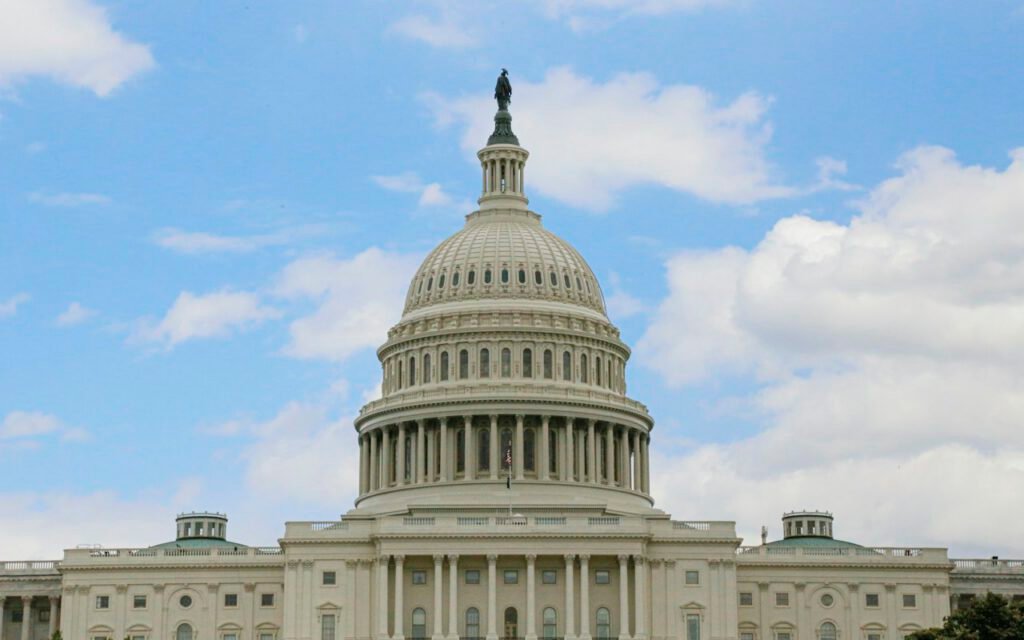

Written by
Laura Bennett
Laura investigates data brokers, scams and the companies that track you.
12Articles
2026Writing since
After weeks of negotiations, leaders of both parties in the state legislature announced a deal Thursday to raise teacher pay by an average of 9 percent over three years. The agreement, unveiled at a late-afternoon news conference in the Capitol rotunda, would lift starting salaries to $52,000 and add money for classroom aides, ending a standoff that had threatened to stall the entire education budget.
The announcement drew applause from a few dozen teachers who had gathered outside the House chamber wearing red shirts. Several held hand-lettered signs with the starting salary figure they had been pushing for since January. The final number came close, though not all the way, to what the statewide teachers’ association had requested.
What’s in the deal
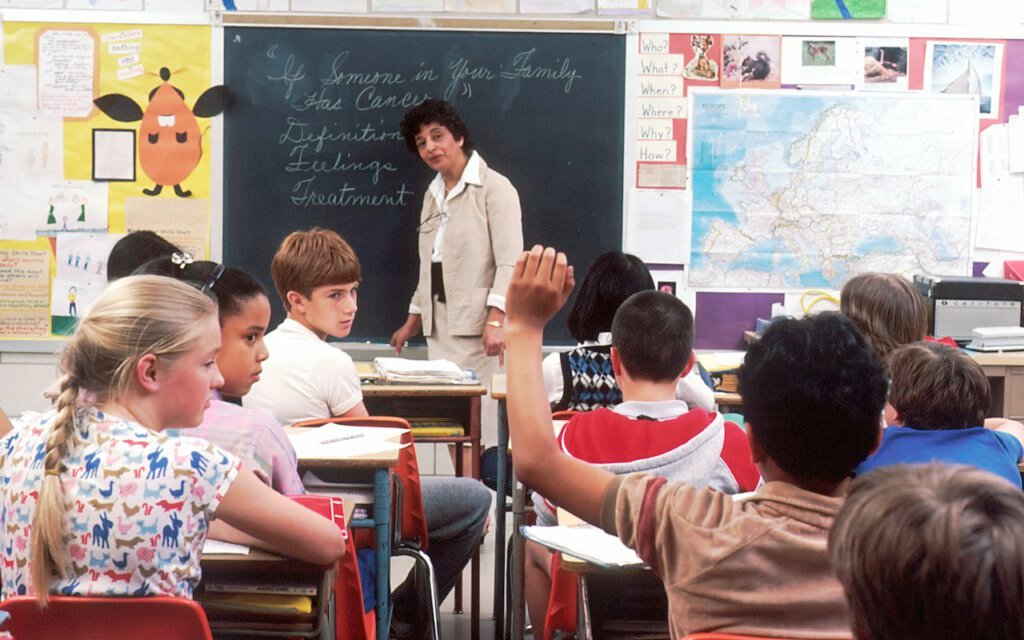
Starting salaries would rise from $44,500 to $52,000 by 2029. The plan also adds $40 million for classroom aides in districts with the largest class sizes. Raises would be phased in over three school years, with the largest increase arriving in the first year.
The main provisions, according to a summary released by legislative staff, are:
- An average raise of 9 percent for current teachers, spread over three years
- A new minimum starting salary of $52,000 by 2029
- $40 million for classroom aides in districts with the largest classes
- A requirement that districts pass the raises through to teachers rather than using the money for other costs
- An annual report to the legislature on teacher hiring and retention
Experienced teachers would receive raises as well, though the percentage would be slightly smaller for those at the top of their district’s pay scale. Negotiators said the goal was to make the profession more attractive to new graduates while not leaving veteran teachers behind.
Who pays for it
About two-thirds of the cost would come from last year’s budget surplus. The rest depends on revenue forecasts that some economists call optimistic. The total price tag over three years is estimated at roughly $610 million, according to the legislature’s nonpartisan budget office.
Supporters argue that using surplus dollars is responsible because it does not require new taxes. Critics point out that a surplus is one-time money, while salaries are a permanent cost. Once the surplus is spent, the state will need ongoing revenue to keep paying the higher wages.
Nobody is arguing that teachers don’t deserve this. The question is whether we’ve actually figured out how to pay for year four and year five.
Leonard Fisk, economist, Statewide Fiscal Policy Center
Budget office analysts noted in a memo that the plan assumes sales and income tax revenue will grow by about 3 percent a year. If growth falls short, lawmakers may have to make cuts elsewhere or revisit the timeline for the raises.
A safeguard written in
To address those concerns, negotiators added a provision requiring the budget office to review revenue every spring. If collections fall significantly below forecasts, the legislature would have to vote on whether to delay the final year of raises. Teachers’ groups said they were wary of that clause but accepted it as the price of a bipartisan deal.
Why lawmakers moved now
The push for higher pay came after several years of rising teacher vacancies across the state. District officials told lawmakers that some rural schools had gone an entire year without a certified math or science teacher, relying instead on long-term substitutes. Others said they were losing teachers to neighboring states that offer higher starting pay.

Housing costs also played a role. In many parts of the state, rent for a modest apartment has climbed faster than teacher salaries over the past decade, making it difficult for new teachers to live in the communities where they work.
This is the first time in a decade a new teacher in our state can afford a one-bedroom apartment on one income.
Rep. Alana Brooks
Brooks, who chairs the House Education Committee, spent eight years teaching middle school science before running for office. She said she still hears regularly from former colleagues who took second jobs, waiting tables or tutoring, to make ends meet.
How the talks nearly fell apart
The deal did not come easily. For much of the session, the House and Senate were working from very different numbers. House leaders proposed a larger raise paid for mostly with surplus money, while Senate leaders favored a smaller increase tied to new accountability measures for districts. At one point, talks broke off for nearly a week after a disagreement over whether charter schools would receive a share of the aide funding.
The breakthrough came last weekend, when a small group of negotiators from both chambers met in a conference room off the Senate floor and agreed to set aside the charter question for a separate bill. People familiar with the talks said the group worked through Saturday night and most of Sunday, ordering pizza twice and sketching salary schedules on a whiteboard.
Senate Majority Leader Douglas Pruitt said the final agreement reflected compromise on both sides. “Nobody got everything they wanted,” he said Thursday. “That’s usually a sign you’ve got a deal that can actually pass.”
Minority Leader Caroline Estes, standing beside him, agreed. She said her caucus had pushed hardest for the aide money, because teachers in crowded classrooms had told them that more help in the room mattered as much as a bigger paycheck.
Reaction from schools and teachers
The statewide teachers’ association called the deal “a real step forward” in a written statement, while noting that it had pushed for a starting salary of $55,000. Association president Teresa Vaughn said the group would continue to advocate for higher pay but would support the bill.
School superintendents largely welcomed the agreement, though some raised concerns about how the money for aides would be distributed. Districts with mid-sized classes worry they will not qualify, even though they also struggle to find staff.
A first-year teacher at an elementary school in the state’s largest city, who asked that only her first name, Kelsey, be used because she was not authorized to speak for her district, said the raise would make a noticeable difference.
“Right now, I have a roommate and a part-time job on weekends,” she said. “With this, I could probably drop the weekend job. That means I’d actually have time to plan lessons on Sunday.”

What happens next
Both chambers are expected to vote on the bill next week. The governor has said she will sign it. Leaders of both parties said they expect the bill to pass comfortably, though a handful of lawmakers on each side have voiced objections.
Here is the expected timeline if the bill becomes law:
- Votes in the House and Senate next week
- The governor’s signature shortly afterward
- The first raises in teacher paychecks at the start of the next school year
- Aide funding distributed to qualifying districts by the end of the fall semester
- The final step of the raises, bringing starting pay to $52,000, by 2029
Key takeaway: The deal would raise teacher pay by an average of 9 percent and lift starting salaries to $52,000 by 2029, but its long-term cost depends on revenue forecasts that not everyone trusts.
For teachers, the wait for the vote is the last hurdle in a long campaign. Many said they plan to be in the Capitol galleries when the roll is called. Brooks said she hopes they will be. “They’re the reason this happened,” she said. “They should get to see it.”
Written by
Laura Bennett
Laura investigates data brokers, scams and the companies that track you.
12Articles
2026Writing since
Read next
PolicyYour Car Is Collecting More Data Than Your Phone. Here’s How to See ItModern cars record location, speed and even seat weight. We walked through the privacy settings of… PolicyEarly Voting Turnout Hits a Record in the County’s First WeekendMore than 61,000 people voted early on Saturday and Sunday, nearly double the last midterm.
 AI & RobotsInside the Data Center Boom on the Edge of TownThree new facilities will use as much power as 90,000 homes. The utility says it’s ready.…
 PolicyWhat the New Redistricting Map Means for Your NeighborhoodThree suburban districts were redrawn. We mapped every change, street by street.
Start the conversation