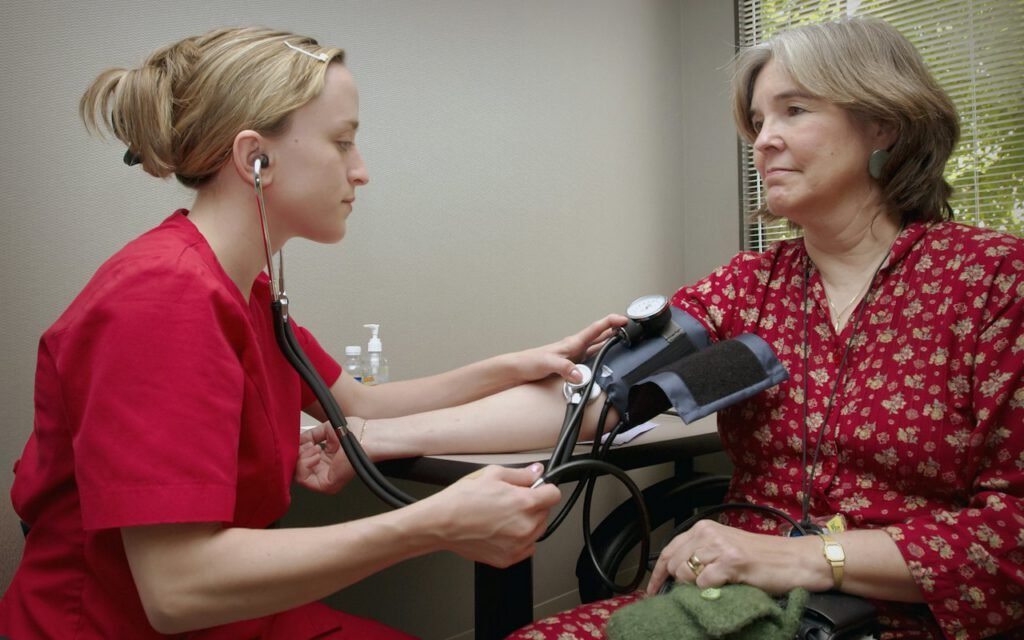
At three community clinics, family doctors now ask every patient the same question during a yearly visit: how many hours do you really sleep? It comes right after the blood pressure check and before the conversation about lab work, and it often changes the direction of the entire appointment.
The answers, they say, often explain more than the lab results. A patient who arrives worried about headaches, low energy or a short temper may turn out to be sleeping five hours a night. A parent struggling with weight may be eating late because they are awake late. The doctors involved say the question is simple, costs nothing and has become one of the most useful parts of a checkup.
The idea started at the largest of the three clinics, on the east side of the city, where a group of family physicians noticed how often tired patients came in asking for help with something else. They decided to add a short sleep screening to every annual visit, along with the usual questions about exercise, diet and smoking. The other two clinics in the same health network adopted it within a year.
The screening is brief. A nurse or medical assistant asks how many hours the patient usually sleeps on a work night, whether they feel rested in the morning, whether they snore or wake up gasping, and whether they nod off during the day. If anything stands out, the doctor follows up during the visit.
“We ask about cholesterol and blood sugar every year,” said Dr. Paul Hensley, a family physician at the east side clinic. “Sleep affects both of those, and we used to skip it entirely. It was a blind spot.”
Family doctors at three community clinics now ask every patient about sleep during yearly visits.
Why sleep matters so much
Sleep is not just rest. During the night, the body repairs tissue, the brain sorts and stores memories and hormones that control hunger, stress and blood sugar reset. Health experts generally recommend that most adults aim for seven or more hours a night, though individual needs vary.
When people regularly fall short, the effects add up. Doctors at the clinics say they commonly see patients whose poor sleep goes hand in hand with irritability, trouble concentrating, more frequent colds, weight gain and difficulty managing conditions like high blood pressure or diabetes. Drowsy driving is another concern, especially for people with long commutes or night shifts.
“Patients are often surprised when I connect the dots,” said Dr. Monica Reyes, who practices at the clinic on the city’s north side. “They come in thinking they need a vitamin or a new medication. Sometimes what they need is to go to bed an hour earlier and stop scrolling at midnight.”
The usual culprits
Late screens, caffeine after lunch and an irregular schedule are the most common reasons patients give. Doctors say they hear the same stories again and again: a phone in bed, a third cup of coffee at 3 p.m., a weekend sleep-in that throws off Monday morning, a bedroom that is too warm or too bright.
Stress and worry come up often too, along with young children, pets on the bed, shift work and long commutes. For some patients, the cause is medical. Loud snoring, gasping or pauses in breathing at night can be signs of sleep apnea, a condition that doctors say is often missed and can be treated. Chronic pain, heartburn and frequent nighttime trips to the bathroom can also disturb sleep and deserve a closer look.
A good week of sleep can do more for a patient than a new prescription.
Dr. Paul Hensley, family physician (fictional)
Small fixes first
Doctors start with a steady wake-up time, a dark and cool bedroom and a short wind-down routine before suggesting anything else. They say the simplest changes are often the most effective, and they are free.
Hensley tells patients to pick a wake-up time and keep it every day, including weekends. Over a few weeks, he says, the body adjusts and bedtime tends to follow on its own. He also recommends getting outside in daylight in the morning, even for ten minutes, to help set the body’s internal clock.
Reyes focuses on the hour before bed. She encourages patients to dim the lights, put phones on a charger outside the bedroom and do something calming, such as reading a paper book, stretching or taking a warm shower. “Your brain needs a runway,” she said. “You can’t go from answering work email to sleeping in five minutes.”
A short, screen-free wind-down routine is one of the first changes doctors suggest.
When to dig deeper
If the simple changes do not help after a few weeks, the doctors take a closer look. That may mean reviewing medications that can disturb sleep, checking for conditions like an overactive thyroid or depression, or referring the patient for a sleep study. Doctors stress that patients should not start or stop medications or supplements for sleep without talking to their own physician first.
Doctors’ quick list
Same wake-up time every day
Screens off 30 minutes before bed
Keep the bedroom cool and dark
Limit caffeine after lunch and heavy meals late at night
Get some morning daylight, even on cloudy days
Tell your doctor about loud snoring or gasping during sleep
Key takeaway: If you are tired all the time, mention it at your next checkup. A conversation about sleep is quick, and it may explain symptoms that seem unrelated.
What patients are noticing
Patients who have gone through the screening say the question caught them off guard at first. Denise Carver, a 47-year-old office manager, said she had come in for a routine physical and mentioned in passing that she was always exhausted. Her doctor asked about her evenings and learned she was answering work email in bed until nearly midnight.
“He didn’t lecture me,” Carver said. “He just asked me to try leaving my phone in the kitchen for two weeks and come back. I felt better within days. I didn’t realize how much that last hour was costing me.”
Marcus Webb, a warehouse supervisor who works rotating shifts, said the screening helped him see that his schedule, not his willpower, was the problem. His doctor suggested blackout curtains, earplugs and a consistent sleep window on his days off. “I always thought being tired was just part of the job,” he said. “Turns out there were things I could actually do about it.”
Others have found more serious problems. A retired bus driver who mentioned his loud snoring was referred for a sleep study and diagnosed with sleep apnea. After starting treatment, he told his doctor that his afternoon naps had disappeared and his blood pressure had improved.
A habit worth spreading
The health network plans to add the sleep screening to its pediatric clinics next year, with questions adjusted for children and teenagers. Doctors there say late-night gaming, homework and early school start times are leaving many young patients short on rest.
Hensley hopes more practices will follow. “It takes two minutes,” he said. “And it reminds patients that sleep is part of their health, not something extra they get to when everything else is done.”
For now, the advice from the clinics is simple: pay attention to how you sleep, and bring it up with your doctor. Your answers might explain more than you expect.
General health information, not medical advice. Talk with your own doctor about your health.







 HealthFlu Shots Are Free at 40 Pop-Up Clinics This MonthNo insurance or appointment needed. Here’s the full schedule by neighborhood.

Start the conversation