
Ramadan at Peace Community: Iftar for Everyone
Thirty evenings, one big table.
 Imam Yusuf Rahman6 min read
Imam Yusuf Rahman
Yusuf has served Peace Community since 2012.

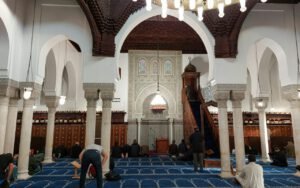

Every evening of Ramadan we break the fast together at sunset. As the sky turns orange over the parking lot, families stream into the community hall carrying covered dishes, children set out bottles of water and plates of dates, and volunteers in aprons check the clock one last time. Then the call to prayer sounds, someone says “bismillah,” and a room full of hungry, happy people takes their first sip of water since dawn.
Neighbors of all faiths are warmly invited. Our nightly community iftar has become one of the most loved traditions at Peace Community Mosque. It is a time for gratitude, for generosity and for getting to know one another across every kind of difference. Here is what Ramadan looks like at our mosque, and how you can join us this year.
What Ramadan means
Ramadan is the ninth month of the Islamic lunar calendar. For Muslims, it is a month of fasting, prayer, reflection and charity. From dawn to sunset each day, adults who are able refrain from food and drink. Children, elderly people, travelers, those who are ill and others with valid reasons are not required to fast.
The fast is about much more than skipping meals. It is a time to slow down, to be more patient and kind, to read the Quran, to give generously and to remember those who go hungry every day, not only during one month a year. Because the Islamic calendar follows the moon, Ramadan moves about eleven days earlier each year, so it falls in different seasons over time.
Iftar is the meal that breaks the fast at sunset. Traditionally, people begin with a date and a sip of water, pray the sunset prayer and then sit down to a full meal together.
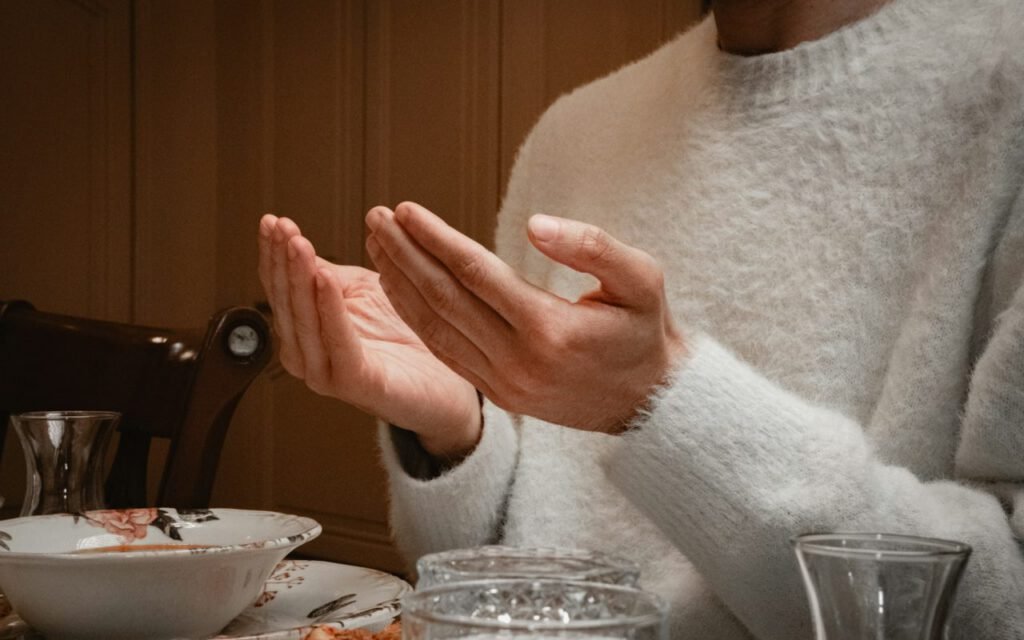
Community iftar
Dates, water and a warm meal served at sunset, prepared by volunteers and local families.
Each night of Ramadan, our community hall is set with long tables covered in white paper. At sunset, guests are welcomed with dates, water and fruit. After a short break for the sunset prayer, volunteers serve a hot meal, usually rice, a main dish with chicken or beef, a vegetarian option, salad and bread. Dessert often appears from somewhere, thanks to families who love to bake.
On weeknights we typically serve between two hundred and three hundred people, and on weekends that number can climb higher. Everyone eats for free. Meals are funded by donations from members, with many families sponsoring a full night in honor of a loved one.
There is always enough food, and there is always room at the table.
Amina
Amina Hassan, who has coordinated our iftar volunteers for several years, says that line has never failed her. Some nights, more guests come than expected. Somehow, a few extra trays always arrive from someone’s kitchen, and nobody leaves hungry.
Behind the scenes
Feeding hundreds of people every night for a month takes serious teamwork. Our kitchen crew starts cooking in the early afternoon, often while fasting themselves. Other volunteers handle setup, serving, cleanup and greeting guests. Teenagers from our youth group run the drink station and help seat families. Local restaurants owned by community members donate meals on several nights, and neighbors from nearby congregations often bring desserts.
Everyone who helps follows basic food safety practices, including handwashing, gloves and keeping hot food hot and cold food cold. Our kitchen leads are trained in safe food handling, and we label any dishes that contain common allergens like nuts.
Interfaith night
One evening is dedicated to neighbors, local churches and city leaders.
Interfaith night has grown into one of the biggest events on our calendar. We invite neighbors, members of nearby churches and synagogues, teachers, first responders and local officials to share iftar with us. Guests are seated at tables with mosque members so that everyone has a chance to talk, ask questions and get to know each other.
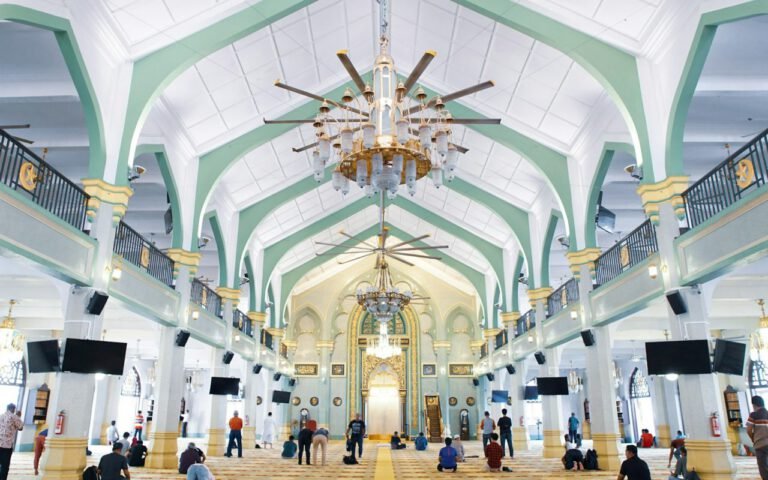
Before sunset, Imam Yusuf Rahman offers a short welcome explaining what Ramadan means and what guests will see when the fast is broken. Guests are invited to watch the sunset prayer from chairs at the back of the hall. Then everyone sits down to share the meal together. Many guests tell us the experience of waiting together for sunset, and then sharing that first date and sip of water, is one they will never forget.
Last year, a pastor from a neighborhood church told our volunteers that she had driven past the mosque for twelve years without ever stepping inside. She has since returned for every interfaith night, each time bringing a few more members of her congregation.
A night for families
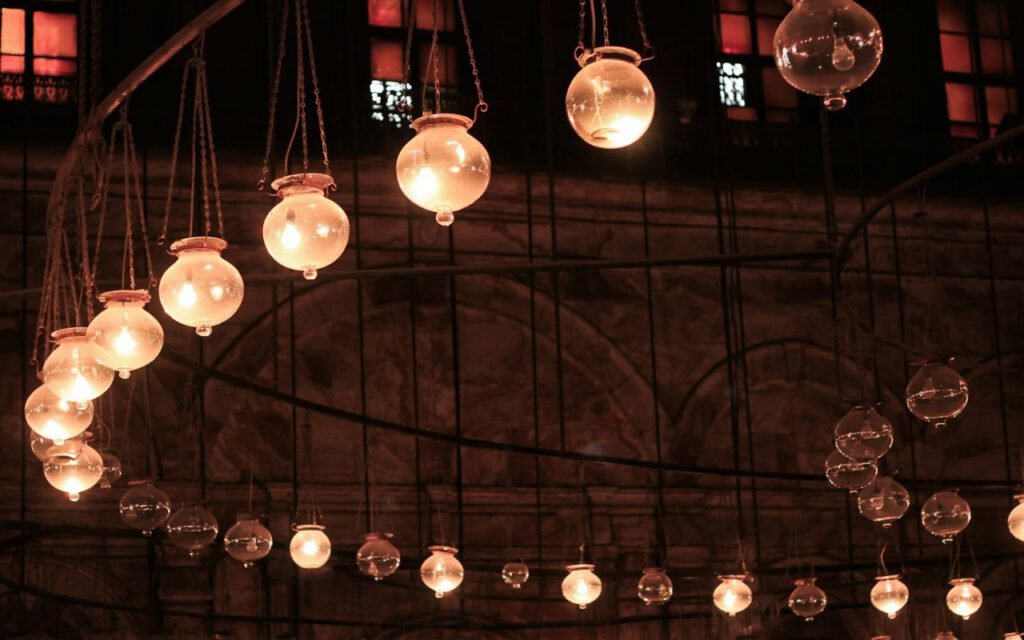
Ramadan at the mosque is also a time for children. Every Saturday during the month, the youth group runs a craft table in the corner of the hall where kids make paper lanterns, decorate cards and color crescent moons while their parents finish setting up. On the final weekend, families gather for a children’s iftar with games, a short story time and small gifts for every child who tried a practice fast, even if only for a few hours.
For many families, these are the memories that make Ramadan special: the smell of the kitchen, the glow of the lanterns, the countdown to sunset and the noise of a crowded hall breaking the fast together. We hope every child who grows up here carries those memories for life.
How to join us
If you have never been to an iftar before, you are welcome. You do not need to be Muslim or to fast to attend. Here are a few tips for first-time guests:
- Arrive about twenty minutes before sunset so we can welcome you and find you a seat
- Wear modest, comfortable clothing; women may bring a scarf for the prayer hall
- Expect to remove your shoes if you visit the prayer area
- Bring your appetite and your questions
- Bring friends, family or coworkers who are curious
Sunset times change a little each day, so please check the prayer times page on our website before you come. For interfaith night, we ask guests to RSVP so we can plan enough food and seating, but walk-ins are still welcome.
Ways to help
If you would like to support the community iftar, there are several ways to get involved. You can volunteer for a shift in the kitchen, serving line or cleanup crew. You can sponsor a night of iftar, either alone or with a group of friends. You can also donate supplies like water bottles, dates, paper plates and disposable cups. Every contribution, large or small, helps keep the tables full for the entire month.

Key takeaway: Our community iftar is free and open to everyone, every night of Ramadan. Come hungry, come curious and come ready to meet your neighbors.
A month of open doors
Ramadan is a time when our community focuses on gratitude and generosity, and sharing a meal is one of the simplest ways to live out both. Every night, strangers become dinner companions, and dinner companions become friends.
Whether you join us for one night or for many, we would be honored to have you at our table. As Amina likes to remind the volunteers, there is always room for one more chair.

Start the conversation