Main Street is busier than it has been in years: new cafés, packed sidewalks and families out on weekend afternoons. The traffic hasn’t noticed. Cars still roll through the downtown blocks at the same speed they did when half the storefronts were empty, and pedestrians still dart across at mid-block because the nearest signal is too far away. That mismatch between a street that has changed and a speed limit that has not is the problem in front of the city right now.
The city should lower the downtown speed limit to 20 mph and add two raised crosswalks before someone gets hurt. It is a modest, affordable change, and it would protect the comeback that residents and business owners have worked hard to build.
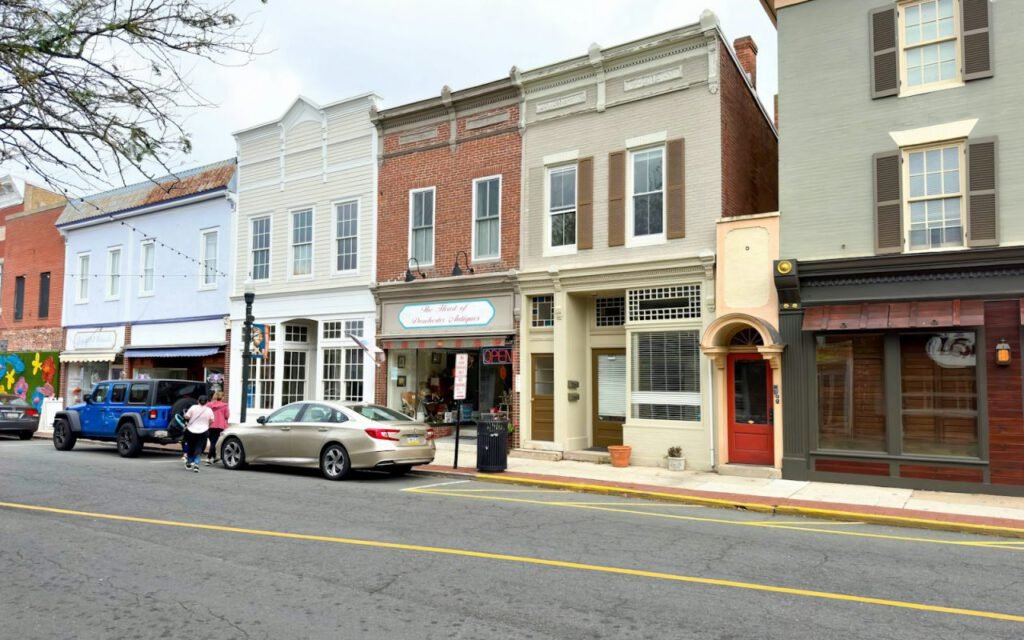
Five years ago, Main Street was a place people drove through on the way to somewhere else. Today it is a destination. A bakery, two coffee shops, a bike repair shop, a children’s bookstore and a handful of restaurants with sidewalk seating have opened along an eight-block stretch. On Saturday mornings, the farmers market spills onto the side streets, and on warm evenings, families walk from the park to the ice cream shop and back.
The current speed limit, 30 mph, was set decades ago for a commercial strip with few pedestrians. Many drivers treat it as a floor rather than a ceiling. City traffic counts released last spring found that a large share of drivers exceeded the posted limit during weekday afternoons, the same hours when school lets out and sidewalks are at their busiest.
Residents have noticed. Letters to this page and comments at council meetings describe close calls in the crosswalk at Main and Elm, delivery trucks swinging wide around corners and parents who no longer let their children walk to the library alone. Nobody has been seriously hurt yet. That is luck, not design.
Sidewalk traffic downtown has grown steadily as new shops and cafés have opened.
Seconds, not minutes
A slower limit adds less than a minute to the average drive through downtown. That is a small price for safer crossings. The math is simple: the eight-block stretch is a little under a mile long, and with traffic lights, stop signs and parking cars, few drivers ever reach 30 mph for long anyway. Lowering the limit mostly changes the speed between lights, not the overall trip.
The safety difference, on the other hand, is significant. Traffic safety experts have long noted that a pedestrian struck at 20 mph is far more likely to survive than one struck at 30 or 40 mph. Slower speeds also give drivers more time to see a child stepping off the curb, a cyclist pulling out from a parked car or an older resident who needs a few extra seconds to cross.
A street that is safe for an eight-year-old is a street that works for everyone.
The Morning Ledger editorial board
What the city should do
A lower number on a sign is a start, but signs alone rarely change how people drive. Streets slow down when they are designed to feel slow. The city has several inexpensive tools available, and it should use them together.
Lower the posted limit on Main Street from 30 mph to 20 mph between the river bridge and the park.
Build two raised crosswalks, one at Main and Elm and one near the library, where foot traffic is heaviest.
Add curb extensions at key corners to shorten crossing distances and make pedestrians easier to see.
Install speed feedback signs at both ends of the district for the first year.
Review the results after 12 months, using traffic counts and a survey of residents and businesses.
Raised crosswalks are especially effective. They work like a broad, gentle speed hump, bringing the crosswalk up to sidewalk level so that drivers slow down naturally. They also make crossings easier for people using wheelchairs and strollers. Their cost is modest compared with a full street rebuild, and the city could pay for them from its existing road maintenance budget.
The library block, popular with families and cyclists, is a natural spot for a raised crosswalk.
Good for business
People who feel safe walking stay longer and spend more. Ask any shop owner on a street that has already slowed down. Downtown merchants depend on foot traffic, not drive-by traffic. A driver passing at 30 mph barely notices a window display. A pedestrian strolling at three miles an hour stops, looks and often walks in.
Several Main Street owners have told this newspaper they support a lower limit. Their concern is not the drivers who pass through but the customers who come to stay: parents with strollers, seniors heading to lunch, teenagers on bikes. When those customers feel uneasy on the sidewalk, they go to the mall instead, where the parking lot is the only thing they have to cross.
Some business owners worry that slower traffic will make downtown harder to reach. That fear is understandable but misplaced. A 20 mph limit does not close any lanes or remove any parking. It simply asks drivers to slow down for less than a mile, on a street that is meant for people as much as cars.
Key takeaway: Slowing Main Street costs drivers less than a minute, costs the city relatively little and protects the downtown revival that residents and businesses have built together.
Answering the objections
We have heard the arguments against a lower limit, and they deserve a fair hearing. Some readers say enforcement is the real issue and that police should simply ticket speeders. Enforcement helps, but officers cannot sit on Main Street all day, and design changes work around the clock without adding to the police budget.
Others say the change will push traffic onto residential side streets. That is a fair concern, and the city should monitor nearby blocks closely during the first year. In many towns that have taken similar steps, drivers simply accept the slower speed rather than detour through neighborhoods with even more stop signs.
A few readers have also asked about emergency vehicles. Fire and ambulance crews already slow down on crowded commercial streets, and raised crosswalks can be built with gentle slopes that trucks cross easily. The city should consult the fire department on the exact design, as other communities have done, so that response times are not affected.
And some drivers simply resent being told to slow down. We understand the frustration of a long commute and a full day. But the extra time at stake here is measured in seconds, and the people on the other side of the windshield are our neighbors, our children and our parents. A minute of patience is a fair trade for their safety.
Finally, some readers argue that no one has been hurt, so there is no need to act. That is exactly backward. The time to fix a dangerous crossing is before a family is grieving, not after.
The council should act this fall
The city council is scheduled to review its downtown transportation plan next month. We urge members to approve a 20 mph limit and fund the two raised crosswalks as part of that review, with construction finished before next summer’s busy season.
Main Street has become the heart of this community again. It is full of people who chose to be there, shopping, eating and simply enjoying an afternoon outside. The street should be designed for them. Slowing down is the least we can do to keep it that way.




 OpinionOpinion: Our Libraries Are the Last Free Indoor Places. Fund Them Like ItLibraries now do the work of community centers, job offices and cooling centers. Their budgets haven’t…

Start the conversation