Ductless Mini-Splits for Additions: An Honest Buyer’s Guide
When a ductless mini-split makes sense for a new room, what it costs in Denver, and what to ask.
 Marcus Reyes6 min read
Marcus Reyes
Marcus has fixed furnaces in Denver for more than twenty years.



Adding a room is one of the most exciting projects a homeowner can take on, and one of the most common questions we get is how to heat and cool it. Maybe it is a sunroom over the patio in Littleton, a finished garage turned into a home office in Aurora, or a second-story primary suite in an older bungalow in Highland. Your existing furnace and AC were sized for the house you had, not the one you are building, and stretching the ductwork to reach a new space does not always work. That is where ductless mini-splits come in.
We install mini-splits nearly every week. Here is an honest look at when they make sense, what they cost, and the questions to ask before you choose.
What a mini-split actually is
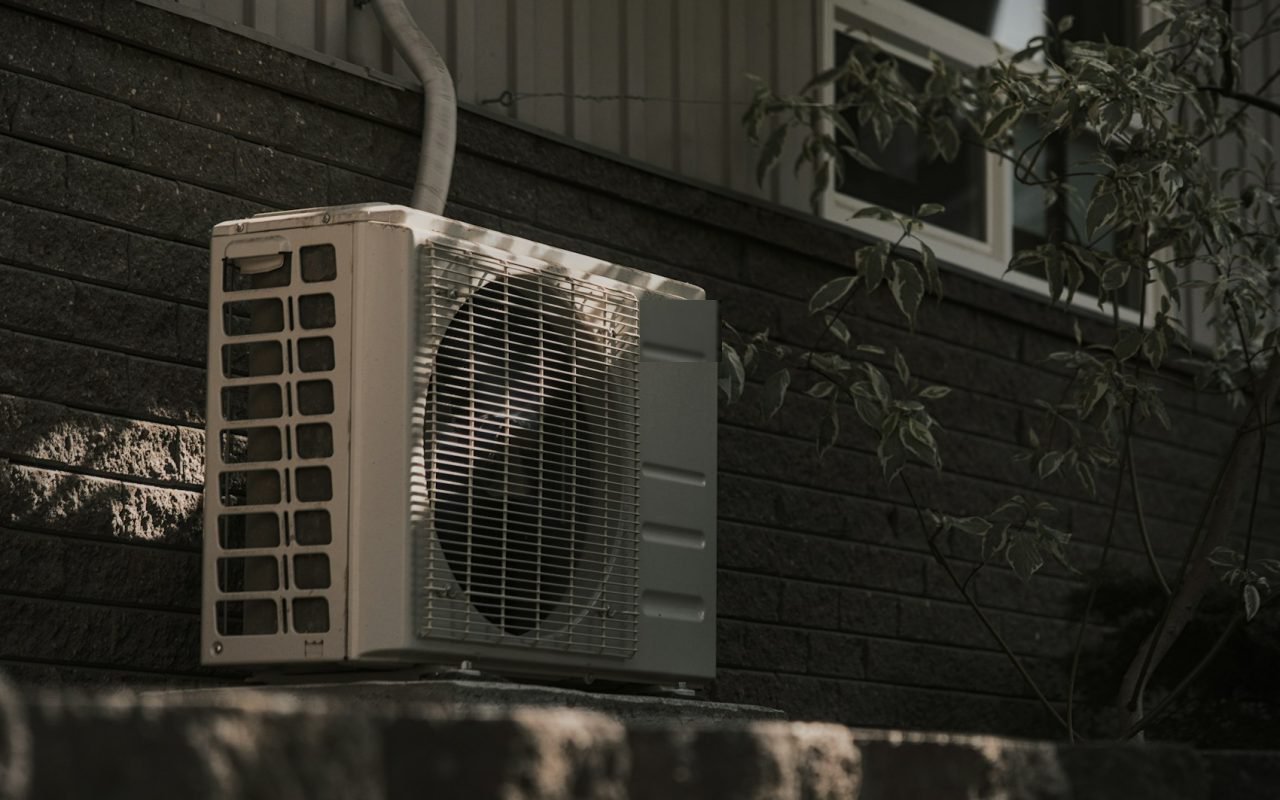
A ductless mini-split is a small heat pump. An outdoor unit about the size of a large suitcase connects through a three-inch hole in the wall to one or more indoor units, called heads. The heads usually mount high on a wall, though ceiling cassettes and low floor consoles are also available. A refrigerant line set, a power cable and a condensate drain run between the outdoor unit and each head.
Because it is a heat pump, a mini-split both heats and cools. Modern cold-climate models can keep producing useful heat well below zero, which matters on the coldest Denver nights.
When a mini-split is the right call
Mini-splits shine in a few situations we see over and over:
- The new room is far from the furnace. Long duct runs lose air and heat, and the farthest room is always the least comfortable.
- The existing system is already at capacity. Adding 400 square feet of load to a furnace sized for the original house can leave the whole home short on hot or cold days.
- Running ducts is hard. Finished ceilings, slab floors and vaulted spaces can make new ductwork costly or impossible.
- The room has a different schedule. A home office used from 8:00 a.m. to 5:00 p.m. or a guest suite used a few weeks a year benefits from its own control.
- The space gets lots of sun. Sunrooms and rooms with big west-facing windows need extra cooling that the main system was never designed to deliver.
When it might not be
We do not recommend a mini-split for every addition. If the new room sits right next to an existing duct trunk and your furnace has spare capacity, extending ductwork may be simpler and cheaper. A load calculation tells us which way to go. We also steer people away from a single head trying to heat several closed-off rooms. A mini-split head conditions the room it is in. It does not push air around corners and down hallways well.
The most common disappointment we hear about mini-splits comes from oversizing. A big unit in a small room cycles on and off and never runs long enough to feel even. Right-sized beats big every time.
Marcus Reyes, Founder
Sizing for Denver
A proper Manual J load calculation looks at square footage, window area and direction, insulation, ceiling height and how much air leaks in. Rules of thumb do not cut it, especially for additions, which are often much better insulated than the rest of the house. A well-built 300-square-foot bedroom addition might only need a 9,000 BTU unit, while a 300-square-foot sunroom with three walls of glass could need 15,000 BTU or more.
Altitude also matters. At 5,280 feet, the air is thinner, and both the indoor and outdoor units move less heat per cubic foot of air. Good installers account for that in equipment selection. We also look closely at the published low-temperature heating capacity. Some units lose a large share of their heating output at 5°F, while cold-climate models hold up much better.
What it costs
Prices vary with the brand, the number of heads and how complex the install is, but these ranges reflect what we see in the Denver metro:
Single-zone system, one head: typically $4,200 to $6,500 installed, including the line set, electrical disconnect, mounting pad or wall bracket and startup.
Two-zone system: often $7,500 to $10,500, depending on line length and head styles.
Electrical work: most systems need a dedicated 240-volt circuit. If your panel has space, this is straightforward. If it is full, a panel upgrade can add significant cost, so we always check during the estimate.
Federal tax credits and local utility rebates for qualifying heat pumps can take a meaningful bite out of those numbers. The rules and amounts change, so we give you the model numbers and paperwork and suggest you confirm eligibility with your tax preparer and utility.
Installation details that matter
The quality of a mini-split install shows up years later. When you compare bids, ask about these points:
Line set routing. On the outside of the house, lines should run in a neat, UV-rated cover, not bare insulation that cracks in the Colorado sun.
Outdoor unit placement. In our climate, the outdoor unit should sit on a stand at least 12 to 18 inches off the ground so it clears snow and can drain during defrost cycles. It should not sit under a roof edge where snow and ice can slide onto it.
Condensate drain. In heating mode, the outdoor unit drips water as it defrosts. That water needs somewhere to go other than a sidewalk where it freezes into a hazard.
Vacuum and pressure test. A good installer pulls a deep vacuum and holds it to confirm the system is leak-free before releasing refrigerant. Ask if they do this. It is the single best predictor of a long-lived system.

Living with a mini-split
Day to day, mini-splits are easy. Clean the washable filters in the indoor head every month or two, more often during wildfire season. Keep snow and leaves cleared from around the outdoor unit. Schedule a professional cleaning every year or two, which includes cleaning the indoor coil and blower wheel where dust and moisture can build up.
Set it and leave it. Mini-splits run most efficiently when they hold a steady temperature rather than making big jumps up and down. Most owners find they barely touch the remote after the first week.
A few owners worry about how a mini-split head looks on the wall. It is a fair concern in a carefully designed addition. If a white plastic head is not the look you want, ask about ceiling cassettes that sit flush with the drywall, or a small ducted air handler hidden in a closet or attic that feeds two or three discreet grilles. Both cost more than a wall head, often $1,000 to $2,500 extra, but they disappear into the room. We will bring photos of real installs to the estimate so you can see each option before you decide, and we will tell you plainly if a wall head is the better value for the space.
If you are planning an addition or have a room that never quite feels right, we would be glad to come out, run a load calculation and give you an honest comparison of a mini-split versus extending your existing system. Either way, you will leave with real numbers to work with.



3 Comments
We are finishing our garage into an office this spring. This is exactly what I needed.
Good point about putting the outdoor unit on a stand. Our neighbor’s was buried in snow all winter.
Appreciate the real price ranges. Hard to find anywhere else.