Ink Sketches From a Rainy Week
Loose lines, wet paper and happy accidents.
 Pip Moreno6 min read
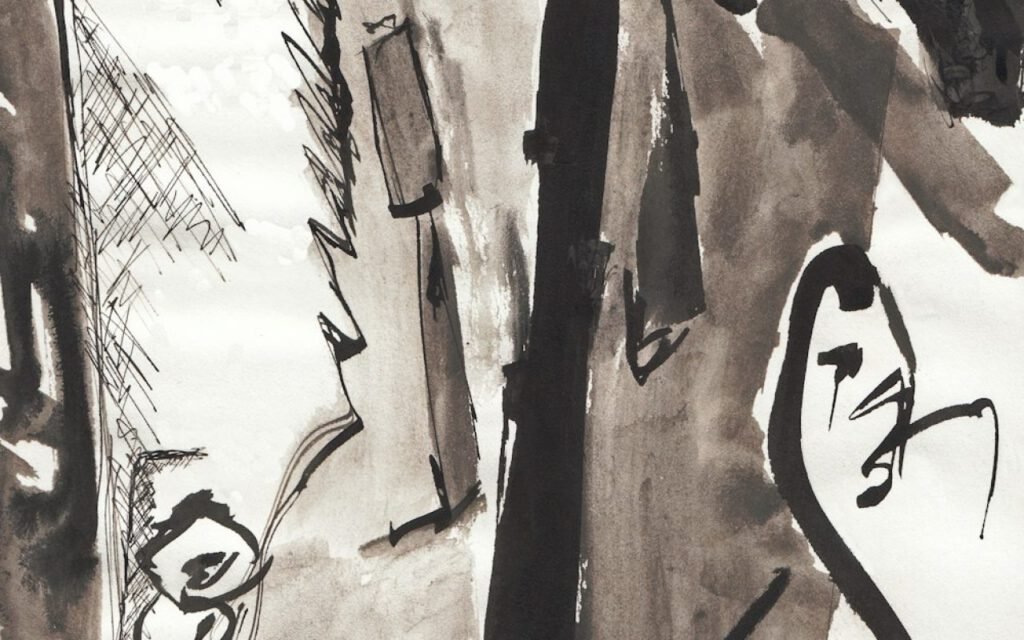
Rain kept me inside all week, so I played with ink and wet paper. It rained from Monday morning to Saturday night, the kind of steady, gray rain that makes the studio windows fog up and turns the street outside into a long, shiny mirror. I had a client deadline that had just wrapped, nothing urgent on the calendar and no desire at all to go anywhere. So I made a pot of tea, pulled out every bottle of ink I own and decided to spend the week making a mess on purpose.
Most of it was a mess. Some of it is my favorite work all year. This post is a little tour of that week: what I tried, what failed, what surprised me and why I think every artist should schedule a few days of play with no goal at all.
Why ink and water
Most of my client work is careful. Picture books need consistent characters, editorial work needs to read clearly at small sizes and packaging needs crisp edges for printing. I love that kind of work, but after a long stretch of it, my hand gets tight. Every line starts to feel like it has to be correct.
Ink on wet paper is the opposite of careful. The moment the ink touches the damp surface, it blooms outward in soft, feathery shapes you cannot fully predict. You can guide it a little, by tilting the page or adding more water, but you cannot control it. For someone whose hand had gotten tight, that loss of control felt like stretching after a long car ride.
Let it bleed
Ink on damp paper spreads in ways you can’t control. That’s the fun. On the first day, I simply wet a sheet of watercolor paper with a big flat brush, waited about thirty seconds for the shine to fade and touched a loaded brush of black ink to the surface. The ink exploded outward into a gray cloud with dark, fuzzy edges. I did it again and again, on dozens of sheets, just watching.

By day two, I started to notice patterns. How wet the paper is changes everything:
- Soaking wet: the ink spreads wide and pale, almost like smoke.
- Damp with a slight sheen: soft edges, but the shape holds together. This became my favorite.
- Barely damp: the line fuzzes slightly but stays mostly where you put it.
- Dry: a crisp, normal line, which looks surprisingly sharp next to the soft areas.
Mixing those states on one page is where the magic happens. A crisp tree branch drawn on dry paper can disappear into a soft, foggy blob of leaves painted wet. A face drawn with a sharp line can have hair that dissolves into the background.
The tools I used
Nothing fancy. A big flat brush for wetting the paper, two round brushes, a dip pen with a flexible nib, a bamboo stick I sharpened with a craft knife and a spray bottle from the dollar store. I also used plain tap water, a little salt and, on one memorable afternoon, a drinking straw for blowing ink across the page.
The rainy-day experiments
Here is a rough log of the week, for anyone who wants to try something similar:
- Monday: pure blooms. Wet paper, a drop of ink, watch. Repeat forty times.
- Tuesday: drawing the view out the window: wet street, umbrellas, a bus with its headlights on.
- Wednesday: salt sprinkled into wet ink, which pulls the pigment into tiny starburst shapes.
- Thursday: bamboo stick drawing. Scratchy, unpredictable, wonderful.
- Friday: combining everything into small scenes, mostly animals in the rain.
- Saturday: sorting through the pile and cleaning the studio.
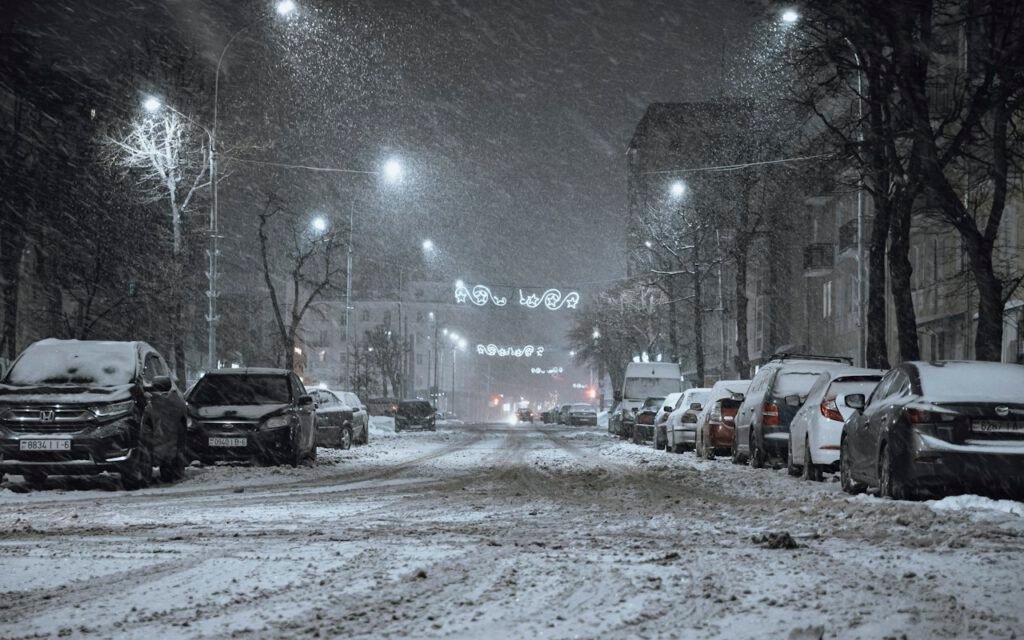
Tuesday was the turning point. Drawing the rainy street outside, I let the ink bleed for the wet pavement and drew the people with a dry pen line on top. The reflections looked exactly like the real puddles outside my window, because, in a way, they were made of the same thing: water moving where it wanted to go.
Happy accidents only happen if you let things get messy.
Pip
I say this to students all the time, but I needed to hear it myself this week. Most of the good surprises came right after I almost gave up on a page. A drip I thought had ruined a drawing became the shape of a dog’s ear. A blot in the corner became a lamp post. You only get those moments if you are willing to keep going past the part where it looks bad.
Keep the mistakes
Two of the “ruined” pages became the start of a picture-book spread. I nearly threw them away. On Saturday, sorting through the pile, I had two stacks: keepers and recycling. The recycling stack was much taller. But two sheets in that stack kept catching my eye.
One was a big gray bloom that had spread too far and swallowed the little fox I had drawn in it. The other was a page where I had knocked over the water jar, and a long river of diluted ink had run across the bottom. Looking at them again, I realized the first one looked exactly like a fox lost in fog, and the second looked like a flooded path through a forest. Together, they felt like the opening of a story.
Those two sheets are now pinned above my desk, and they have become the starting point for a new picture-book dummy about a small fox who gets lost on a rainy night. The final art will be much more planned, but the mood, that soft, foggy, slightly lonely feeling, came directly from the mistakes.

How I sort experimental work now
- Never throw anything away on the same day you made it.
- Look at the pile again after a few days, with fresh eyes.
- Turn pages upside down and sideways. Shapes change completely.
- Keep a “maybe” folder for anything that catches your eye for reasons you cannot explain yet.
Key takeaway: schedule time to play with no goal, and do not judge the results until the paint is dry and the week is over.
One more practical note for anyone trying this at home: protect your table. Wet ink travels, and it will find the one spot you forgot to cover. I work on a sheet of old plastic tablecloth with a stack of paper towels nearby, wear an apron I do not care about and tape the edges of each sheet to a board so the paper does not curl as it dries. Let pages dry flat overnight before stacking them, or the damp ones will print ghost images onto the sheets above. And keep a separate jar of clean water for rinsing brushes, so your blooms do not turn muddy halfway through the afternoon.
After the rain
The sun came out on Sunday, and I went back to my regular work on Monday feeling lighter than I had in months. My lines were looser, my client sketches felt more alive and I had a new story to work on. Not bad for a week I nearly spent catching up on email.
If you are feeling stuck in your own work, I hope you get a rainy week soon. Or make one: clear an afternoon, wet some paper and drop in some ink. Watch what it does. Let it bleed. Keep the mistakes. You might just find the start of something new hiding in the mess.
Pip Moreno
Pip draws picture books, murals and happy little packages.


Start the conversation