Why I Shoot Weddings With Only Two Lenses
Less gear, more attention on the people.
 Ivy Lambert6 min read
Ivy Lambert
Ivy photographs portraits, weddings and Pacific Northwest landscapes.

For years I carried a bag that weighed as much as a toddler. Three camera bodies, six lenses, two flashes, a stack of batteries and a tangle of cords, all slung over one shoulder from the bridal suite to the last sparkler exit. By the end of a twelve-hour wedding day, my back ached, my shoulder was bruised and I’d spent far too much of the day digging through my bag instead of watching the people I was there to photograph. Now I shoot whole weddings with two lenses. Couples get more of my attention, and I get fewer backaches.
How I got here
The change didn’t happen overnight. About four years ago, I photographed an intimate wedding in a small mountain chapel outside Asheville, North Carolina. The ceremony room was tiny, the lighting was soft and there was no space for my usual setup. I left most of my gear in the car and worked with just two lenses for the entire day. I was sure I’d regret it.
Instead, those images became some of my favorites. Not because they were technically perfect, but because I was paying attention. I caught the bride’s father wiping his eyes before anyone else noticed. I caught the flower girl falling asleep on a pew during the vows. Without the constant distraction of switching gear, I saw more. After that wedding, I started leaving more and more equipment at home, until one day I realized I only needed two.
One wide, one close
A 35mm for the room and the story, an 85mm for faces and quiet moments. These two focal lengths cover almost everything that happens on a wedding day. Together, they let me tell the full story without missing the small, intimate details.
The 35mm: the storyteller
The 35mm lens sees the world much like our eyes do. It’s wide enough to capture the whole scene, like the getting-ready room, the ceremony space, the dance floor, but not so wide that it distorts faces or feels distant. I use it to show context: the bride surrounded by her bridesmaids, the groom laughing with his brothers, the long dinner table glowing with candles.
It also forces me to get close. To fill the frame with a 35mm, I have to step into the moment. That closeness creates images that feel immersive and personal, like you were standing right there.
The 85mm: the quiet observer
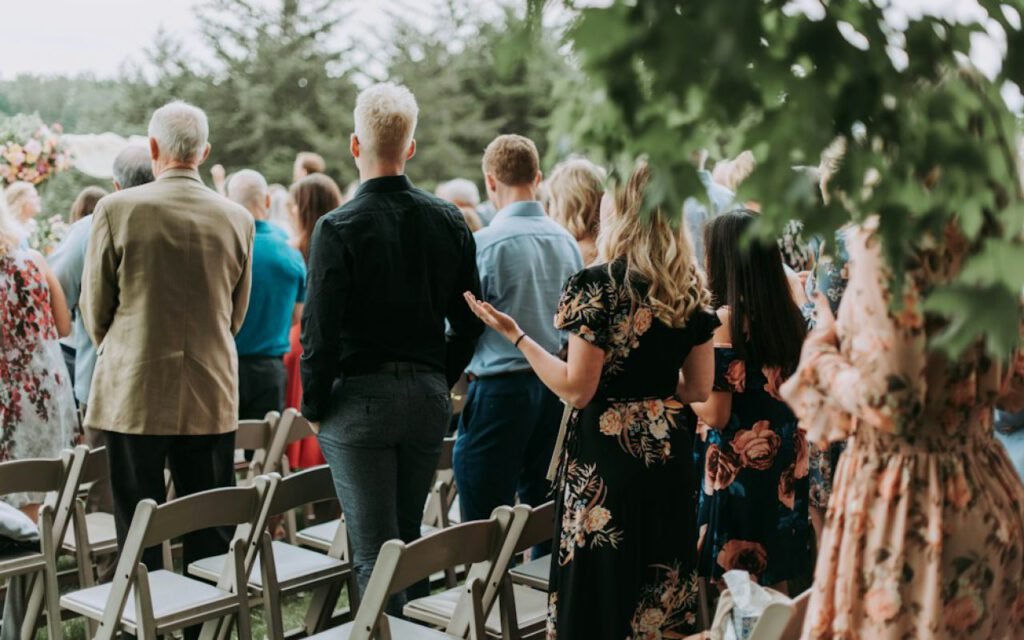
The 85mm lens is my portrait lens. It’s perfect for faces, emotional moments and details. From across the room, it lets me capture a grandmother’s tears during the vows or a quiet glance between newlyweds without stepping into their space. The shallow depth of field softens the background beautifully, drawing all the attention to what matters.
During the ceremony, I usually keep the 85mm on my main camera so I can stay back and be discreet. During portraits, it creates flattering, intimate images that feel timeless. It’s the lens I reach for when I want the world to fade away and the people to shine.
The best camera settings are the ones you stop thinking about.
Ivy
The setup on the day
Here’s exactly how I work. I carry two camera bodies on a dual harness, one with the 35mm and one with the 85mm. That means I can switch focal lengths instantly by simply reaching for the other camera. No fumbling with lens caps, no swapping glass in a dusty field, no missing a moment.
The rest of my kit is equally simple:
- Two camera bodies with the 35mm and 85mm lenses mounted
- One small on-camera flash for dark receptions
- Plenty of fully charged batteries
- A pouch of memory cards, with dual-card backup in each camera
- A small bag with water, snacks and a lens cloth
That’s it. My whole kit fits on my body and in one small bag. I move through the day lighter and faster, and I can keep up with couples as they walk from the ceremony to portraits to the reception without falling behind.
What I gave up
A few dramatic angles. What I gained: I never miss the first look while changing lenses. I’ll be honest about the trade-offs. Without an ultra-wide lens, I can’t capture those sweeping, dramatic shots of an enormous venue from one corner. Without a long telephoto, I sometimes can’t get tight shots from the very back of a large church where photographers aren’t allowed to move.
For most weddings, though, those limitations rarely matter. I solve them by moving my feet, finding creative angles and planning ahead. When a couple has a very large venue or a strict ceremony policy, I talk with them early and occasionally bring a third lens for that specific situation. But most days, two is enough.
And what I gained is far more valuable:
- Presence. I’m watching people, not my gear.
- Speed. I can react to moments instantly.
- Consistency. My images have a cohesive look from start to finish.
- Comfort. My back no longer hurts after twelve hours on my feet.
- Connection. Couples and guests relax around me because I’m less intrusive.
Key takeaway: Fewer tools mean fewer decisions, and fewer decisions mean more attention on the people in front of the camera.
Working in low light
Photographers often ask how I handle dark receptions and candlelit churches with so little gear. Both of my lenses have wide maximum apertures, which let in plenty of light and allow me to work without flash for most of the day. Modern cameras also handle higher ISO settings beautifully, so a little grain in a dim church doesn’t worry me. When the dance floor gets truly dark, the small flash comes out, usually bounced off a wall or ceiling to keep the light soft and natural. I would much rather keep the mood of a room than flatten it with harsh light. Couples remember how their reception felt, and I want the photos to feel the same way.
What it means for couples
When couples hire me, they’re not paying for my gear. They’re paying for my eye, my experience and my attention. Shooting with just two lenses lets me give them more of all three. I’m calmer, more present and less distracted. I can talk with nervous grooms, reassure brides and gently guide family portraits without stopping to change lenses.
Couples often tell me afterward that they barely noticed me during the day. That’s the highest compliment I can receive. It means they were free to be themselves, and I was free to capture it. Their gallery feels honest and intimate, like a memory rather than a production.
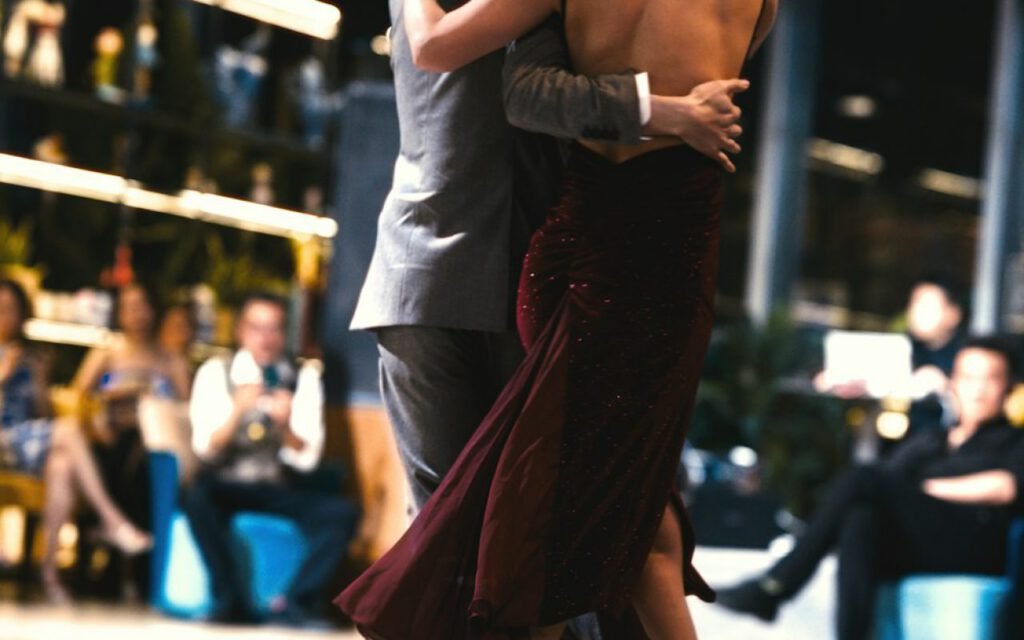
Less gear, more attention
I don’t think there’s one right way to photograph a wedding. Plenty of wonderful photographers use lots of lenses and create stunning work. But for me, simplifying my kit was one of the best decisions I’ve made in my career. It changed how I see, how I move and how I connect with the people I photograph.
If you’re a photographer feeling weighed down by your bag, consider trying a wedding or a session with just two lenses. You might be surprised at how much more you notice. And if you’re a couple planning your wedding, know that the best photographers aren’t the ones with the most equipment. They’re the ones paying the closest attention to you.
Ivy Lambert
Ivy photographs portraits, weddings and Pacific Northwest landscapes.


2 Comments
Thanks for explaining this so clearly.
Great reporting — please keep following this story.