 Style & DecorSeasonal Wedding Flowers That Look Expensive (But Aren’t)Peonies, garden roses and the art of the loose bouquet.
Reception Eli Brooks6 min read
First Dance Ideas for Couples Who Don’t Dance
Simple steps, a short song and a lot of smiling.
Eli Brooks6 min readRead next
Style & DecorSeasonal Wedding Flowers That Look Expensive (But Aren’t)Peonies, garden roses and the art of the loose bouquet. ReceptionWedding Cake Trends for Next YearFresh fruit, textured buttercream and smaller cakes.
 Dresses & RingsFinding “The Dress”: Tips From a Bridal StylistAppointments, budgets and who to bring.
 ReceptionToasts That Land: How to Write a Great Wedding SpeechThree minutes, one story and a glass raised.
 ReceptionReception Lighting: The Secret to Magical PhotosString lights, candles and warm tones.
 ReceptionTable Settings That Wow Without the FussLinen, greenery and one special touch per place.
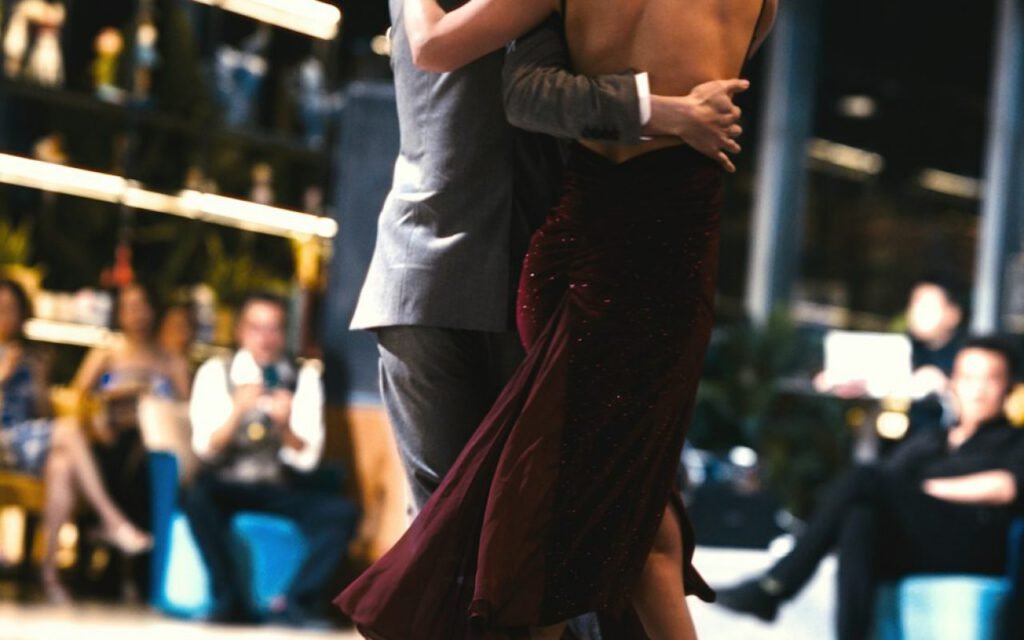
You don’t need choreography. A slow sway to a song you love is perfect. That is the first thing we tell every couple who writes to us in a mild panic about their first dance. Maybe neither of you has danced since a middle school social. Maybe one of you has two left feet and the other has stage fright. Maybe you simply hate the idea of a hundred people watching you move in a circle for four minutes. All of that is completely normal, and none of it should stop you from having a sweet, memorable first dance that feels like you.
In this guide, we share easy, low-pressure ideas for couples who do not dance, from shortening the song and taking a single lesson to creative alternatives that skip the spotlight altogether. Use one idea or mix several. The only rule is that it should feel good.

Why the first dance still matters
Before we get to the tips, a quick word on why so many couples keep this tradition even when they are nervous about it. The first dance is one of the few moments during the whole wedding day when the two of you are alone together, even in a crowded room. The ceremony is formal, the cocktail hour is busy and the reception is a blur of hugs and toasts. For a few minutes on the dance floor, you can breathe, talk quietly and take it all in.
It is also a moment your guests love. They are not judging your footwork. They are watching two people they care about celebrate. If you can hold onto that thought, much of the pressure simply melts away.
Nobody remembers the steps. They remember how you looked at each other.
Wedding DJ (fictional)
Shorten the song
Ask your DJ to fade out after two minutes. This is our favorite tip, and it solves more first-dance worries than anything else. A typical song lasts three to four minutes, which can feel like an eternity when you are swaying in a spotlight. Two minutes, on the other hand, is long enough to feel special and short enough to stay comfortable.
Most DJs and bands can fade a song gracefully at a natural break, such as after the second chorus. Some couples ask the DJ to invite everyone onto the dance floor partway through, so the first dance turns into a group dance. Others have their wedding party join at the halfway point. Talk to your DJ or bandleader ahead of time and agree on the exact moment.
Choosing the right song
- Pick a song with a steady, easy rhythm. Slow to medium tempos are easiest for swaying.
- Listen to the lyrics. Some popular love songs have surprising verses.
- Consider the length. Look for a song that builds early, so two minutes still feels complete.
- Choose meaning over trends. The song from your first road trip beats the most popular wedding song of the year.
- Test it. Sway to it in your kitchen a few times. If it feels awkward, try another.
Take one lesson
A single dance lesson can teach a simple turn and a dip. You do not need weeks of classes or a complex routine. One private lesson with a local dance instructor, usually about an hour, can give you a few simple moves and a lot more confidence. Many studios offer wedding packages specifically for couples who want to look comfortable rather than polished.
A good instructor will start with the basic sway, show you how to hold each other comfortably and add one or two easy moves. Here is a simple routine many instructors teach to beginners:
- The hold: one partner’s hands on the other’s waist, the other’s arms resting on the shoulders, or a classic closed frame.
- The sway: shift your weight gently from one foot to the other in time with the beat.
- The slow turn: keep swaying while rotating in a small circle so guests on every side see your faces.
- The single spin: one partner lifts an arm and the other turns underneath, once.
- The dip: a small, safe dip at the end of the song, practiced several times beforehand.
Practice in the shoes you will wear on the day, especially if one of you is wearing heels, and in a skirt or long dress if one of you will be wearing a gown. A train, a long veil or a full skirt changes how you move, so ask your instructor about bustling and footwork.
Creative alternatives
If even a short sway feels like too much, there are plenty of lovely ways to adapt or skip the tradition. Wedding traditions are there to serve you, not the other way around.
Invite everyone in
Start the dance yourselves, then have your DJ invite all married couples, or simply everyone, to join you after thirty seconds. The spotlight disappears, and the dance floor fills instantly.
Make it a private moment
Some couples have their first dance during a quiet moment with only their photographer present, perhaps at sunset during portraits. You get the memory and the photos without an audience.
Choose a fun, upbeat song
A playful, energetic song can take the pressure off. You do not need to look graceful; you just need to look like you are having fun. Swinging each other around to a classic rock and roll tune often gets the whole room cheering.
Lean on family
Combine your first dance with parent dances, or invite grandparents and close family to join. These shared moments are often among the most touching of the evening.

Calm nerves on the day
Even with a short song and a few practiced moves, a little nervousness is natural. A few simple tricks help many couples relax.
Talk to each other while you dance. Whisper a favorite memory, a joke or simply “we did it.” Your photographer will capture real smiles instead of tense concentration. Keep your eyes on each other rather than the crowd. If you lose the beat, just sway; no one will notice. And consider timing. Some couples prefer to do their first dance right after their grand entrance, before nerves have time to build. Others wait until after dinner, when everyone, including the couple, is relaxed and happy.
Work with your planner, DJ and photographer so everyone knows when the dance will happen and where you will stand. Good lighting on the dance floor makes a big difference in photos, so ask your DJ or venue about soft uplighting or a spotlight.
Key takeaway: keep it short, keep it simple and keep your eyes on each other. That is all a first dance really needs.
Make it yours
The best first dances are not the most polished. They are the most genuine. We have watched couples laugh through a missed spin, sing along off-key and finish with a big hug instead of a dip, and those dances were every bit as moving as a rehearsed waltz. Your guests will remember the joy on your faces long after they have forgotten what song was playing.
So choose a song you love, shorten it if you like, take a lesson if it helps and then let go. Hold each other close, sway a little and enjoy two minutes of being newly married in a room full of people who love you.

Written by
Eli Brooks
Eli has photographed weddings on three continents and one very windy beach.
5Articles
2026Writing since



Start the conversation