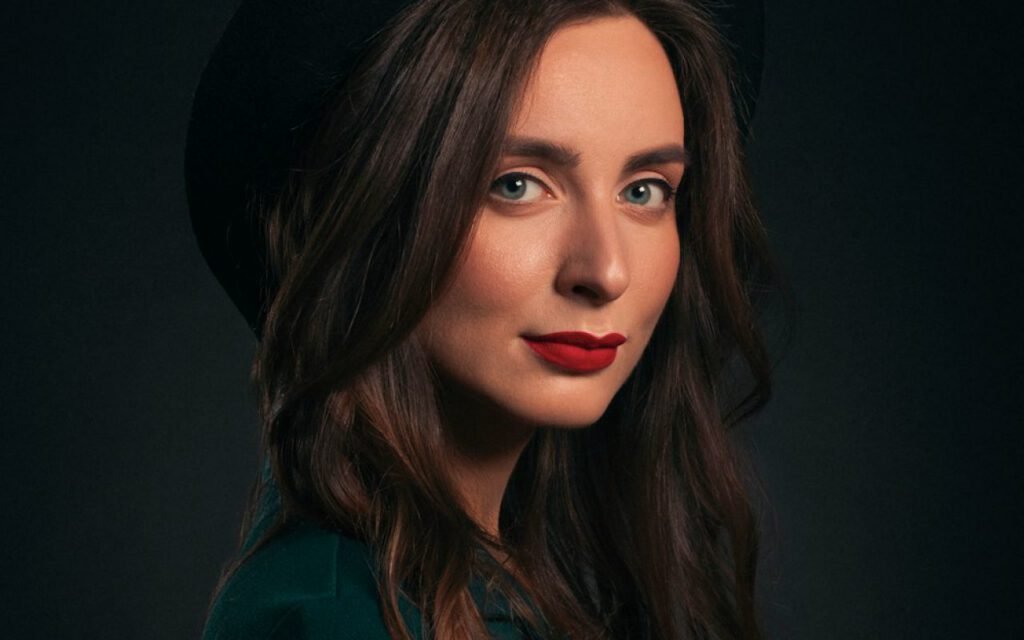
A Day in My Studio Before a Portrait Session
Coffee, a playlist and one very important stool.
 Ivy Lambert6 min read
Most people only see the hour in front of the camera. The prep starts the day before. By the time a client rings the bell at my small studio, I have already swept the floor twice, tested the window light at the exact hour of their booking, picked out three backdrops I will probably never use and made a playlist built from songs I had never heard until that week. None of it shows up in the final gallery, and all of it shapes every frame.
Here is what a portrait day looks like in my small studio, from the night before to the moment I close the door and start backing up memory cards.
The night before
About 24 hours before a session I read through the questionnaire every client fills out when they book. It asks the usual practical things, like how many people, any outfit changes and where the photos will live, but it also asks a few softer questions. What do you love about your face? What do you hate? Is there a photo of yourself you actually like, and why?
Those answers tell me where to start. Someone who says they hate their profile will begin straight on, with the window light falling softly across them. Someone who loves their laugh gets a few silly prompts early. Someone who says they have never liked a single photo of themselves gets extra time, extra patience and, honestly, a little more coffee.
Then I charge every battery, format two memory cards, clean the lens and lay out the backdrops. It sounds fussy. It is fussy. But portrait work is about attention, and every minute I spend on gear the night before is a minute I can spend looking at my client instead of at my camera.
The playlist
I ask every client for three songs they love. Music relaxes faces faster than any joke. It is the single most effective thing I do, and it costs nothing.
When someone walks into a quiet room with a stranger holding a camera, their shoulders creep up toward their ears. Their jaw tightens. They start apologizing for their hair. Then the first song they picked comes on, and something shifts. They smile at the speaker before they smile at me. Sometimes they sing. Once, a retired fire captain from Tacoma played air drums through an entire chorus, and that frame is now on his granddaughter’s nightstand.
I build each playlist around their three songs, adding similar tracks so it runs about two hours. The three songs they chose go at the start, the middle and near the end, so there is always a familiar moment coming up.
People relax when they feel seen, not when they’re told to smile.
Ivy

The morning of
On session days I arrive about ninety minutes early. My studio faces north, which means the window light stays soft and even through most of the day, but it still changes with the weather and the season. So I start by checking it. I sit on the stool myself, set the camera on a tripod with a timer and take a few test frames to see how the light falls across a face at that hour.
Then the small rituals:
- Coffee and tea set out on the side table, with real mugs, not paper cups.
- A small mirror and a lint roller by the door, because everyone wants one last check.
- The heater or fan set early, so the room is comfortable before anyone takes off a coat.
- Phone on airplane mode, both mine and, gently, theirs.
- Water and a clean towel nearby, for nervous hands and warm afternoons.
I also tidy the corners the camera will never see. It sounds silly, but clients notice a calm room, and calm is contagious.
The stool
One sturdy stool, angled toward the window. It is in half of my favorite portraits. People are often surprised that my most important piece of equipment is a wooden seat I bought at an estate sale in Portland for $25, but it earns its place every single day.
A stool works because it has no back. When people sit in a chair, they slump into it and their posture collapses. On a stool they naturally sit a little taller, lean slightly forward and engage with the camera. It also lets me turn them easily. A few inches of rotation toward or away from the window changes the light on their face dramatically, from soft and open to sculpted and moody, without anyone having to stand up and shuffle around.
How I use it
I set the stool about four feet from the window, angled roughly 45 degrees toward the glass. That gives me classic soft side light with a gentle shadow on the far cheek. If I want brighter, flatter light for a cheerful headshot, I turn the stool to face the window more directly. For moody, dramatic portraits I turn it away until only the edge of the face catches the light. One stool, three looks, zero cables.

The session itself
The first ten minutes are always a warm-up. I chat, I take a few frames I do not expect to use and I show clients a couple of images on the back of the camera so they can see that they look good. That one small moment of reassurance changes the rest of the hour.
From there I work in short bursts. A few frames on the stool, then standing by the wall, then sitting on the floor if they are comfortable with it. I give simple, specific directions, like “drop your left shoulder,” “look just past my ear” or “breathe out through your nose,” instead of vague instructions like “be natural.” Nobody knows how to be natural on command. Everyone knows how to breathe out.
Halfway through I usually step back and let a song play while we both take a break. Some of my favorite frames happen right then, when people think we have stopped.
When nerves win anyway
Some people stay tense no matter what playlist is on. That is fine, and it is not a failure on anyone’s part. When I see someone gripping the edge of the stool, I hand them something to do with their hands, like a mug of coffee, a favorite book or the sleeve of a sweater to tug. I ask them to tell me about the last trip they took, or the dog they grew up with, and I keep shooting while they talk. Stories pull people out of their heads. By the time they reach the funny part, they have usually forgotten the camera entirely, and that is exactly the moment I have been waiting for. Patience is the most underrated tool in a portrait studio, and I try to bring more of it than I think I will need.
Key takeaway: the best portraits come from comfort, and comfort comes from preparation the client never sees.
After the door closes
When the session ends I back up the cards immediately, to two separate drives, before I do anything else. Then I write a few notes about what worked, which angle they loved and which song made them laugh, because many clients come back, and remembering those details the second time around feels like hospitality.
Then I sweep the floor, rinse the mugs and set the stool back by the window, ready for the next person who walks in nervous and walks out a little lighter. That, more than any single photograph, is the part of this job I love most.
Ivy Lambert
Ivy photographs portraits, weddings and Pacific Northwest landscapes.



Start the conversation