Your First Tattoo: What to Expect
Nerves, numbers and a very normal amount of pain.
 Mara Voss6 min read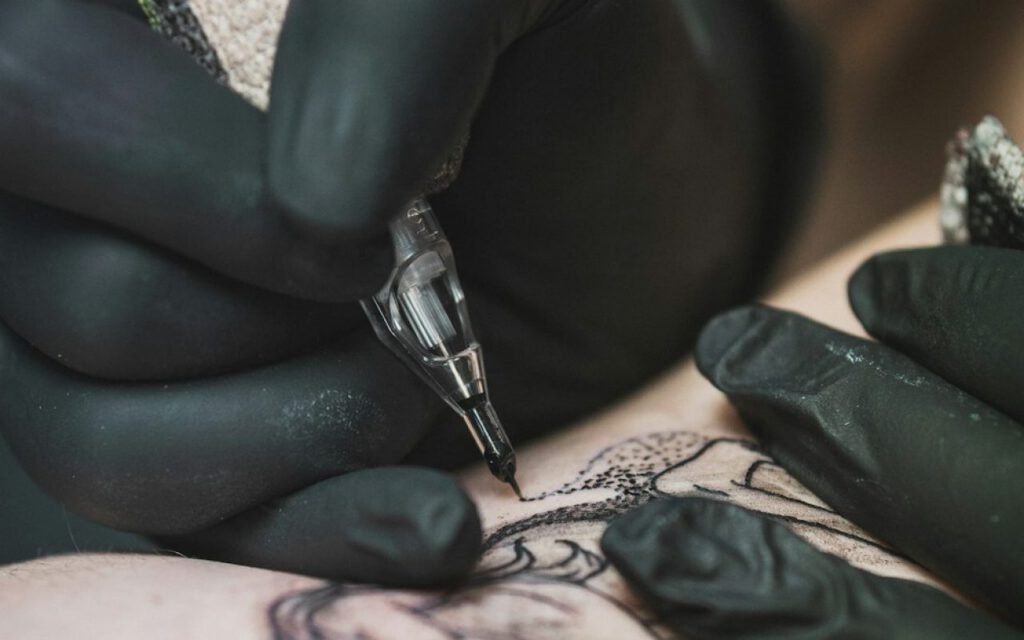
First-timers are always nervous. That’s completely normal. Almost every person who sits in my chair for their first tattoo admits, somewhere between filling out the form and seeing the stencil, that their heart is racing a little. Some laugh about it, some go quiet and a few ask if anyone has ever fainted. Here’s what really happens in the chair, from the moment you book to the moment you walk out with your first piece of ink.
I have been tattooing for a long time, and I still remember how I felt before my own first tattoo. Knowing what to expect takes a lot of the fear away, so let’s walk through it step by step.
Before your appointment
Most first tattoos start with a consult, either in person or online. This is where we talk about your idea, the size, where it will go on your body and your budget. Bring reference photos, even if they are not exactly what you want. It is much easier for me to understand your style when I can see what catches your eye.
Placement is worth thinking about carefully. Some spots, like the outer arm, the thigh and the upper back, tend to be easier for first tattoos. Areas over bone, like ribs, ankles and the spine, are usually more sensitive. Think about whether you want your tattoo to be visible every day, or something more private you can share when you choose.

The night before
Get a good night’s sleep, and skip alcohol for at least a day before your appointment. Alcohol can thin the blood, which can make the process messier, and being well rested helps your body handle the session. If you are taking medication or have a health condition, check with your doctor ahead of time, and let your artist know.
Eat first
A good meal and plenty of water make a big difference. This is the most common mistake I see with first-timers. Nerves kill your appetite, so people skip breakfast, show up running on coffee and then feel lightheaded halfway through. Eat a real meal a couple of hours before your session, something with protein and complex carbs, and drink water throughout the day.
Here’s what I suggest you bring:
- A water bottle and a sugary snack, like juice or candy, in case you feel woozy
- Your ID, since every reputable studio checks it
- Comfortable clothes that give easy access to the tattoo spot
- Headphones and a charged phone for longer sessions
- A friend, if it helps you relax, though check the studio’s policy first
Ask every question. A good artist loves questions.
Mara, tattoo artist
Seriously. Ask about the design, the process, the needles, the aftercare, the price, the healing time. If an artist makes you feel silly for asking, that is a sign to find a different artist. Your comfort and trust matter.
In the chair
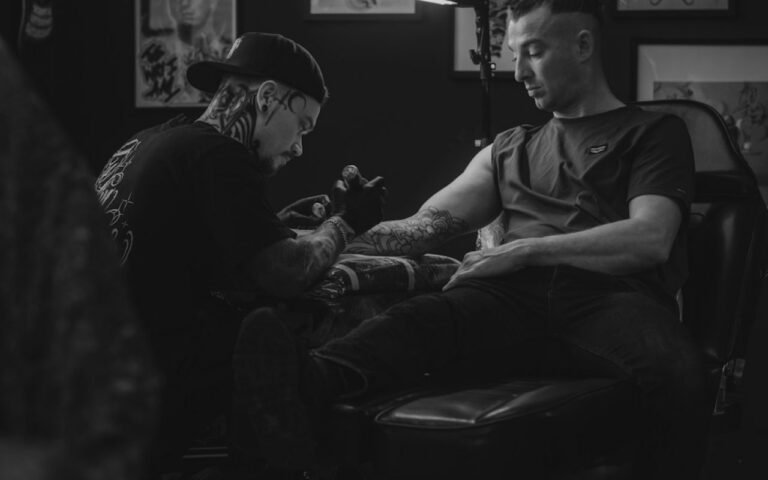
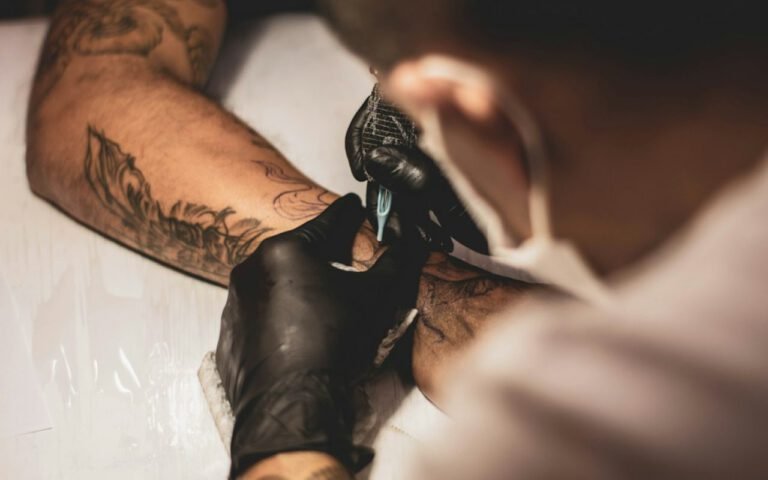
When you arrive, you will fill out a consent form and show your ID. Then we will look at the final design together and make any last tweaks. Once you are happy, I will prepare the skin by cleaning it and shaving the area if needed, then apply the stencil. This is your chance to check the size and placement in a mirror. Take your time. Move around, look at it from different angles and speak up if anything feels off.
While you are checking the stencil, I will set up my station. Every needle, ink cap and pair of gloves is new and opened in front of you. Surfaces are cleaned and covered. If you ever have questions about how a studio handles safety, ask. A good shop is proud to show you.

The feeling
Most people describe it as a hot scratch. It’s very manageable. The first few seconds are usually the most surprising, simply because you do not know what to expect. After a minute or two, most clients relax, and many say it was much easier than they imagined.
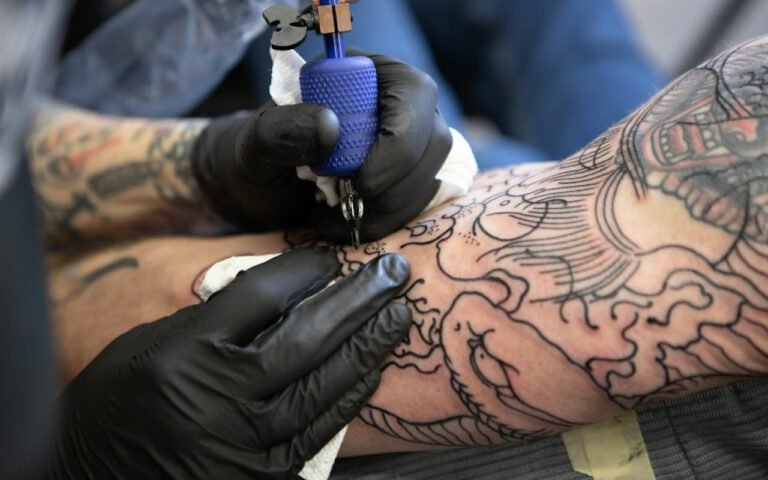
Different parts of the process feel different. Linework tends to feel sharper and more precise, like a fine scratch being drawn across the skin. Shading often feels more like a broad, buzzing scrape. Your body will also release natural endorphins as the session goes on, which helps many people settle in.
Staying comfortable
Breathe slowly and steadily, and try not to hold your breath when the needle starts. Keep as still as you can, but tell me if you need to move, stretch or take a break. I would much rather pause than have you power through feeling dizzy or tense. If you start to feel faint, say so right away. A sip of juice and a few minutes lying back almost always takes care of it.
For a small first tattoo, the actual tattooing might take anywhere from twenty minutes to an hour. Larger pieces take longer, and very big designs are often split into multiple sessions.
Key takeaway: Eat a real meal, drink water, ask every question you have and speak up during the session. Your comfort matters as much as the art.
Common first-timer worries
A few questions come up with almost every first-timer. Will it bleed a lot? Usually just a little, and I wipe it away as I work. Will I regret it? That is why we spend so much time on the design and placement first, and why I sometimes suggest waiting if you are still unsure. What if I need to stop? Then we stop. You are always in charge of your own body, and a session can pause or end whenever you need it to.
Some people also worry about cost. A quality tattoo is an investment, and prices vary by size, detail and how long it takes. We give you a clear estimate before we start, so there are no surprises when you get up from the chair.
After the last line
When the tattoo is done, I will clean it, take a few photos and cover it with a wrap or a clear film. Then we will go over aftercare together, and you will leave with written instructions. The basics are simple: wash it gently twice a day with unscented soap, apply a thin layer of unscented lotion, stay out of pools and the sun for two weeks and do not pick at it as it peels.
Expect your new tattoo to feel a bit like a sunburn for a few days. Some redness and tenderness are normal. Around the end of the first week, it will start to itch and flake. Let it. If anything looks unusual, like spreading redness, heat or swelling that gets worse, reach out to us and see a doctor.
About tipping
First-timers often ask about tipping. It is common in the United States to tip your tattoo artist, much like you would at a salon, though it is never required. If you loved your experience, a tip or a kind review means a lot.
Welcome to the club
Your first tattoo is a milestone, and the nerves are part of what makes it memorable. Almost everyone walks out of the studio feeling proud, relieved and a little amazed at how much easier it was than they expected. Many come back with ideas for the next one before the first has even finished healing.
If you are thinking about your first tattoo, come say hello. We can talk through your idea with no pressure and no commitment. Bring your questions, all of them. I promise there is no such thing as a silly one.

Mara Voss
Mara draws custom fine-line, botanical and blackwork tattoos.



2 Comments
Sharing this with my friends.
Saved this one for later. Really useful.