At Copper Kettle Roasters, owner Jenna Morgan has already raised the price of a 12-ounce bag by two dollars. She expects to do it again in January. Standing beside a small drum roaster in the back of her shop, she points to a stack of burlap sacks against the wall. Each one holds about 150 pounds of unroasted green coffee, and each one costs her far more than it did a year ago. “Every time a new shipment comes in, I hold my breath before I open the invoice,” she said.
Wholesale green-coffee prices have climbed about 30 percent this year after poor harvests in several growing regions, according to the regional coffee trade association. For large chains, that increase is painful but manageable. For small, independent roasters and cafés, which buy in smaller quantities and have thinner margins, it is forcing hard choices about prices, menus and how they buy beans. Some owners say a $6 latte may be coming to their neighborhood shop sooner than customers expect.
Coffee is a crop, and like any crop it depends on weather. Growers in several major coffee-producing countries dealt with drought, unusual heat and heavy rain at the wrong times this year. Smaller harvests mean fewer beans to go around, and buyers around the world are competing for them.
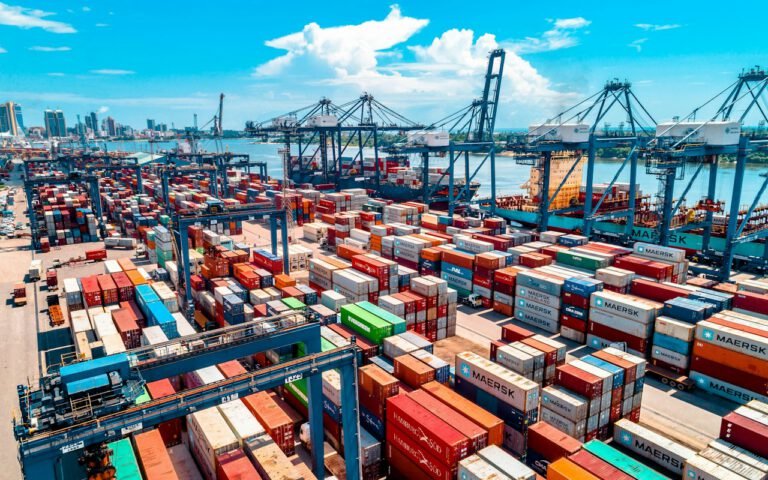
Other costs are rising, too. Shipping containers, fertilizer and farm labor all cost more than they did a few years ago. Roasters also point to higher prices for the bags, cups, lids and milk that go into every drink. Taken together, the cost of putting a cup of coffee on the counter has risen faster than many small shops can absorb.
The trade association, which represents about 80 independent roasters across the region, said in a recent members’ survey that nearly all of them had raised prices at least once this year. About half said they planned another increase before spring.
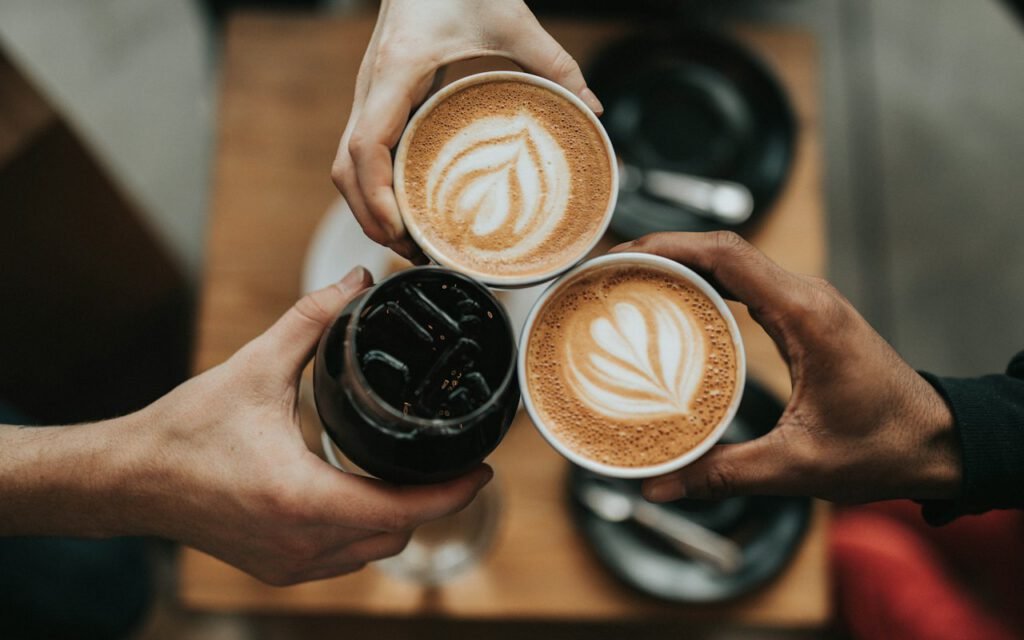
Small cafés say the cost of every cup has climbed this year.
What it means for roasters
Independent roasters buy green coffee, roast it in small batches and sell it to cafés, grocery stores and directly to customers online. Because they usually buy a few months ahead, the price spikes of this summer are only now showing up in their costs. That is why many shops are announcing increases this fall and warning of more in winter.
Morgan said Copper Kettle has tried to spread the impact across its menu rather than raising one item sharply. Retail bags went up first. Wholesale prices for the cafés she supplies will rise in January. Her own café menu is next.
She has also started having frank conversations with customers. A small sign by the register explains the price changes in plain language and lists the farms her beans come from. “People are more understanding when you tell them what’s happening,” she said. “Nobody likes a surprise at the register.”
We would rather explain a price to our regulars than cut corners on the coffee they come here for.
Jenna Morgan, Copper Kettle Roasters
Cafés get creative
Some shops are shrinking cup sizes or adding a “house blend” at a lower price. Others are buying directly from farms to lock in prices for a full year. Owners we spoke with described a range of strategies, each with trade-offs.
Smaller cups: A few cafés have dropped their largest size or trimmed a couple of ounces from each drink, keeping the price the same.
Value blends: Several roasters now offer a lower-priced house blend that mixes premium beans with more affordable ones.
Direct trade contracts: Larger independents are signing yearlong contracts with farms or cooperatives, trading flexibility for price stability.
Loyalty programs: Some shops are rewarding regulars with punch cards or discounts on refills to keep them coming back.
Menu changes: A few cafés have trimmed slower-selling drinks and pastries to reduce waste and focus on what sells.
Marcus Delgado, who owns Two Rivers Coffee Bar, said he chose to keep his prices steady through the holidays and raise them in one step in January. “I’d rather do it once, explain it once and be done,” he said. He added that he expects his standard latte to cross $6 for the first time.
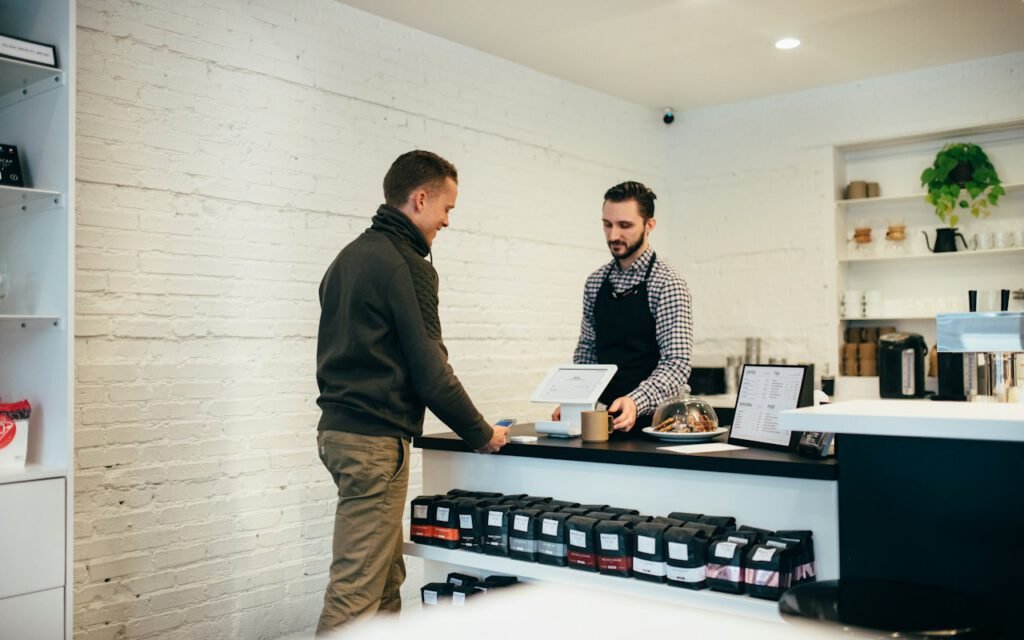
Independent shops have less room to absorb rising costs than large chains.
How customers are reacting
So far, most owners say their regulars have stayed loyal. Several reported that customers are visiting a little less often, perhaps four times a week instead of five, or switching from specialty drinks to plain drip coffee. Sales of retail bags have held steady, which suggests some customers are brewing more at home.
Customers we spoke with outside three local cafés had mixed feelings. A nurse on her way to an early shift said her daily coffee was “one of the few small luxuries” she refused to give up. A college student said he had started making cold brew at home and saved his café visits for weekends. A retired teacher said she was happy to pay more if it meant her favorite shop stayed open.
Owners say the reaction depends a lot on how the change is explained. Shops that posted a short note about rising bean costs heard few complaints. One café that raised prices quietly overnight received a wave of comments online before the owner shared the reasons. Several owners said the experience taught them that transparency is worth the extra effort, even when the news is not welcome.
Tips for coffee drinkers on a budget
If rising prices are pinching your budget, a few simple steps can help you keep enjoying good coffee:
Buy whole beans from a local roaster and brew at home on weekdays.
Ask about loyalty cards, refill discounts or bring-your-own-cup savings.
Try the house blend, which is often cheaper and still freshly roasted.
Store beans in an airtight container away from heat and light so nothing goes stale.
Choose drip coffee over specialty drinks on some days. It usually costs much less.
When prices might ease
Forecasting coffee prices is notoriously tricky, and the people closest to the business are cautious about making promises.
Economists expect prices to ease by late next year if harvests recover. That “if” is doing a lot of work. Weather patterns in growing regions are difficult to predict, and one more poor season could keep prices high for longer.
Even if wholesale prices fall, roasters say café prices may not drop much. Labor, rent and supplies are unlikely to get cheaper, and many owners have absorbed losses this year that they will need to recover. More likely, they say, prices will hold steady for a while rather than climbing further.
Key takeaway: Expect another round of coffee price increases this winter at many small shops, with relief possible late next year if harvests improve.
A cup worth protecting
For Morgan, the bigger worry is not this year’s prices but what happens to small roasters if costs stay high for several years. Independent cafés are often the heart of a neighborhood, a place where people meet, work and catch up. She hopes customers will see a slightly higher price as an investment in keeping those places open.
“We’re not going anywhere,” she said, pouring a fresh cup for a regular at the counter. “But we need our neighbors to keep coming in, even if it costs a dollar more.”









Start the conversation