

 HardwareThe Best Gaming Monitors for Every Budget in 2026From $199 to $899: the screens we’d buy for fast shooters, big strategy games and everything…
Hardware Ken Watanabe6 min read
VR in 2026: Lighter Headsets, Better Games, Same Old Motion Sickness?
We tested the new generation of standalone headsets. Comfort has improved a lot.
Ken Watanabe6 min read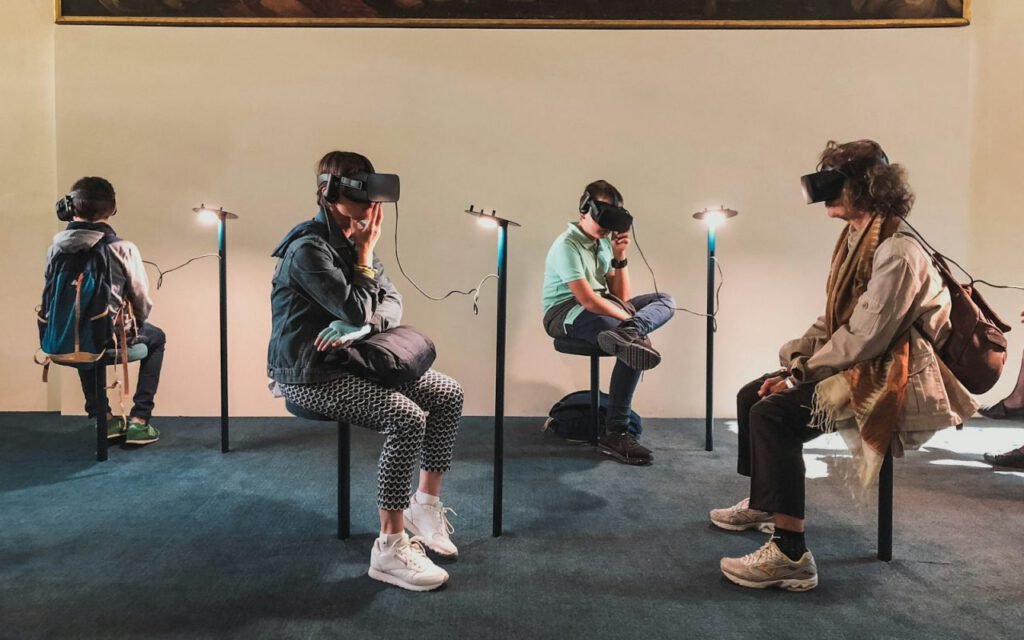

Written by
Ken Watanabe
Ken builds a new test PC every spring and has opinions about keyboard switches.
7Articles
2026Writing since
Virtual reality headsets are lighter, sharper and cheaper than ever. The big question is whether the games have caught up. We spent three weeks with the new generation of standalone headsets, the kind that need no PC, no cables and no sensors mounted on your walls, to find out what has really changed in 2026 and what still gives players a queasy stomach. The short answer: comfort has improved a lot, the library is better than it has ever been, and motion sickness is still the elephant in the room.
Our testing team included two longtime VR fans, one player who had never worn a headset and one who swore off the hobby years ago after a bad roller coaster demo. We played everything from slow puzzle games to fast action titles, kept notes on comfort and nausea after every session, and compared the new hardware with the models we tested two years ago.
Comfort first
The new headsets weigh about 30 percent less, and two-hour sessions are finally comfortable. That number sounds modest on paper, but on your face it is the difference between taking the headset off with relief and forgetting you are wearing it. Older models pressed on the cheekbones and pulled forward on the neck. The latest designs move the battery to the back of the strap, which balances the weight and takes pressure off the front.
Better padding, breathable face covers and easier fit dials help too. Our tester who wears glasses reported far fewer pinched temples, thanks to deeper eye boxes and optional prescription lens inserts. Heat, a long-standing complaint, is also less of a problem. After an hour of active play, the lenses fogged only once, and that was in a warm room in Phoenix in late summer.

Sharper screens, wider views
Display quality has made a clear jump. Text is crisp enough to read menus and in-game signs without squinting, and the dreaded “screen door” effect, where you can see the gaps between pixels, is almost gone. The field of view is a little wider as well, which makes worlds feel less like you are looking through a pair of binoculars.
Passthrough, the feature that lets you see your real room through the headset’s cameras, has become genuinely useful. You can grab a drink, check your phone or find your controller without taking the headset off. It also enables mixed reality games that place virtual objects on your actual coffee table, which our first-time tester called the most impressive thing she tried.
The games are finally arriving
Good hardware means little without something worth playing. For years, VR fans have been stuck with a handful of standout titles and a long tail of short tech demos. That is slowly changing. Our hardware editor’s favorite this year is Echo Divers, an underwater exploration game from the fictional studio Tidewater Labs, in which you swim through sunken cities using natural arm strokes. It is beautiful, calm and smartly designed to keep movement comfortable.
The hardware is ready. Now we need ten more games like Echo Divers.
Ken Watanabe, Respawn hardware editor
Other highlights from our testing include a cooperative escape-room game that works brilliantly with two headsets in the same house, a rhythm boxing workout that left all four testers sweating, and a cozy tabletop strategy game played on a virtual board in mixed reality. Each of them uses VR for something a flat screen cannot do, which is exactly what the format needs.
Still, the library has gaps. Big story-driven adventures remain rare, and many releases are ports of older games with simple updates. Studios are cautious because the audience is smaller than on consoles. Until headsets sell in much bigger numbers, expect a steady trickle of great games rather than a flood.
Motion sickness
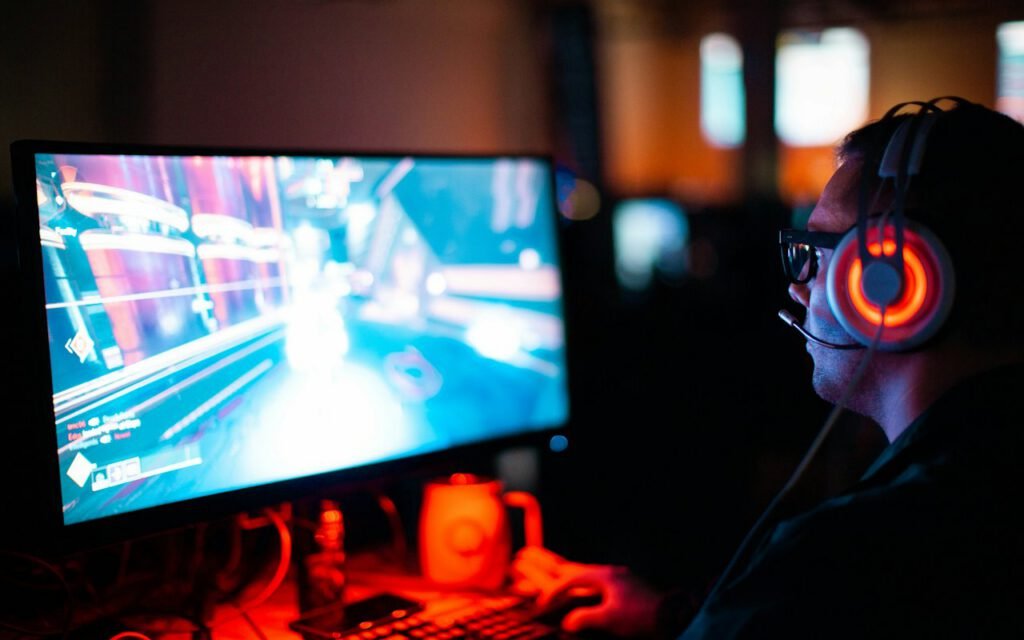
Better frame rates help, but smooth movement still bothers many players. Teleport options remain essential. Motion sickness in VR happens when your eyes tell your brain you are moving while your inner ear insists you are standing still. Higher frame rates and lower latency reduce the mismatch, but they cannot remove it entirely.
In our testing, the results split neatly along experience lines. Our two VR veterans could handle smooth movement in most games for an hour or more. Our first-time tester was fine in seated and stationary games but felt uneasy within ten minutes of free movement. Our returning skeptic did better than he expected, which he credited to the higher frame rate and to using teleport movement almost everywhere.
If you are new to VR or have felt sick before, these widely shared tips can help:
- Start with seated or stationary games and keep early sessions short, around 15 to 20 minutes.
- Use teleport movement and “snap” turning instead of smooth turning.
- Turn on comfort options like vignettes, which darken the edges of your view while you move.
- Keep a fan blowing toward you. Many players find moving air helps them stay oriented.
- Stop as soon as you feel uneasy. Pushing through usually makes it worse, not better.
Anyone with a history of serious motion sickness, migraines or balance problems should talk to a doctor before diving in, and parents should check each headset maker’s age guidance for children.
Key takeaway: the new headsets are dramatically more comfortable, but always look for games with teleport and comfort settings if your stomach is sensitive.
Setting up a safe play space
Comfort is not only about your stomach. Every member of our team bumped into something at least once, usually a couch arm or a ceiling fan during an enthusiastic swing. Clear a space of about six and a half by six and a half feet for standing games, move pets and small children out of the area, and trace your boundary carefully when the headset asks. The new models warn you sooner when you get close to the edge, but they cannot see a dog that wanders in halfway through a session. Wrist straps on the controllers are worth using every single time, too, unless you want to explain a cracked TV screen.
Battery life is the other practical limit. Most standalone headsets we tested lasted around two to two and a half hours of active play, which roughly matches the new comfort window. A short charging cable or a battery strap can stretch that further for longer sessions.
Should you buy one this year?
If you tried VR years ago and gave up because the headset was heavy, hot or blurry, this generation is worth a second look. The improvements in weight, balance and display quality are real, and standalone design means you can set it up in minutes in almost any room. Prices have come down enough that an entry model costs about the same as a mid-range console.
If you are hoping for a deep library of blockbuster games, you may want to wait. There are wonderful experiences available, and Echo Divers alone is worth trying, but the catalog is still thinner than on any major console. And if you know you get carsick easily, try a friend’s headset or an in-store demo before buying.
Our verdict on VR in 2026
The hardware has done its job. Lighter, sharper and more comfortable headsets have removed most of the physical excuses for not playing. What remains is the software challenge: more developers need to build games that make the most of VR while keeping movement comfortable for everyone. We are optimistic, and we will keep testing new releases on our spec sheets and in our reviews. Just keep teleport turned on for now.
Written by
Ken Watanabe
Ken builds a new test PC every spring and has opinions about keyboard switches.
7Articles
2026Writing since
Read next
HardwareThe Best Gaming Monitors for Every Budget in 2026From $199 to $899: the screens we’d buy for fast shooters, big strategy games and everything… GuidesMechanical Keyboards Explained: Switches, Sizes and What Actually MattersLinear or tactile? Full-size or 75%? A plain-English guide before you buy.
 HardwareAre Expensive Gaming Headsets Worth It? We Tested TwelveFrom $39 to $299: where the money goes, and the mid-range pair we would buy with…
 HardwareBuild a Great Gaming PC for $900 in 2026Our parts list for smooth 1440p gaming, with upgrade paths for later.
Start the conversation